Toggle Categories
Get Instant Support
Choose your preferred way to connect with our team
-
Get Free Quote Fill out form for detailed pricing
-
Send Email Detailed inquiry support
-
WhatsApp Quick mobile chat
Response Time
Within 8 hours on working days, 24 hours on holidays
Antibodies
No Image
Anti-PLB1 Rabbit Polyclonal Antibody for WB, ELISA - Q6P1J6
Item Number: CM0015820
No Image
Anti-TRAPPC2 (SEDL) Rabbit Polyclonal Antibody for WB, ELISA - P0DI81
Item Number: CM0015992
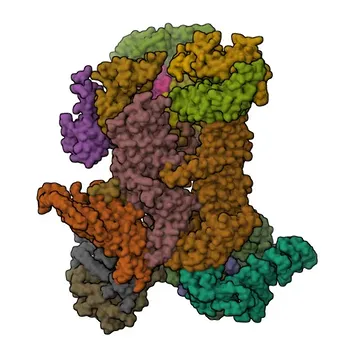
Anti-EIF3A Polyclonal Antibody for WB, IF/ICC, ELISA - Q14152
Item Number: CM0018467
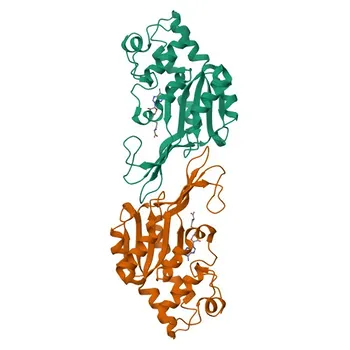
MTHFR Rabbit Polyclonal Antibody for WB, ELISA - P42898
Item Number: CM0018491
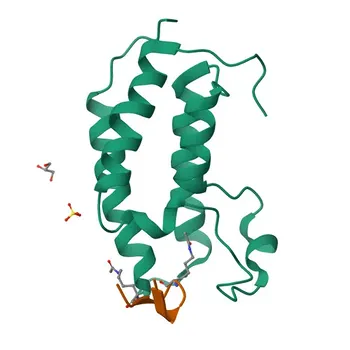
BRD3 Rabbit Polyclonal Antibody for WB, IHC-P, ELISA - Q15059
Item Number: CM0019116
No Image
Anti-Epn2 Rabbit Polyclonal Antibody for WB and ELISA - O95208
Item Number: CM0023078
No Image
Anti-FUT11 Rabbit Polyclonal Antibody for WB and ELISA - Q495W5
Item Number: CM0023629
No Image
Anti-ATOH8 Polyclonal Antibody for WB and ELISA - Q96SQ7
Item Number: CM0024321
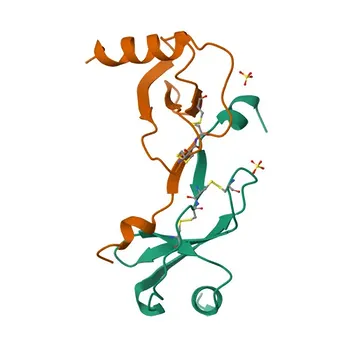
Anti-CCL2/MCP-1 Polyclonal Antibody for WB and ELISA - P13500
Item Number: CM0024651
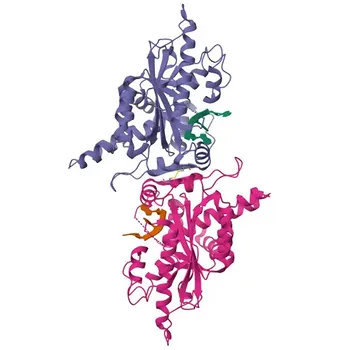
Anti-PARN Rabbit Polyclonal Antibody for WB, IF/ICC, ELISA - O95453
Item Number: CM0024851
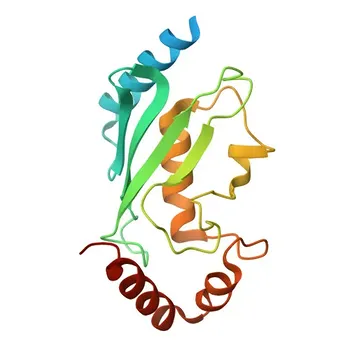
Anti-UBE2C Rabbit Polyclonal Antibody for WB, IHC-P, IF/ICC, IP, ELISA - O00762
Item Number: CM0025005
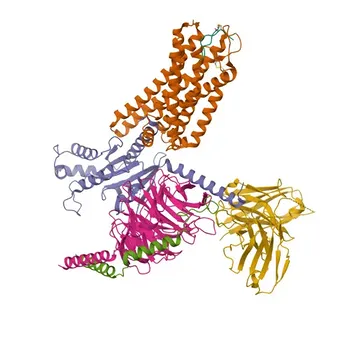
Somatostatin Receptor 2 (SSTR2) Rabbit pAb - P30874
Item Number: CM0025887
No Image
Anti-ID1 Rabbit Polyclonal Antibody for WB & ELISA - P41134
Item Number: CM0026351
No Image
Anti-GPRC6A Rabbit Polyclonal Antibody for WB, ELISA - Q5T6X5
Item Number: CM0026463
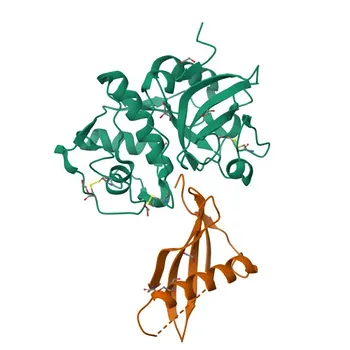
Anti-CTSV (Cathepsin L2) Rabbit Polyclonal Antibody for WB and ELISA - O60911
Item Number: CM0026638
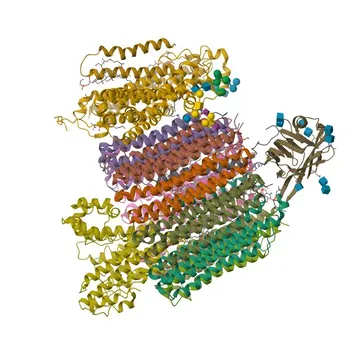
Anti-ATP6AP2 Rabbit Polyclonal Antibody for WB, ELISA - O75787
Item Number: CM0026735
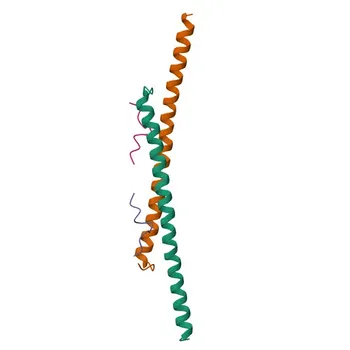
Anti-TCF12 Rabbit Polyclonal Antibody for WB, ELISA - Q99081
Item Number: CM0026748
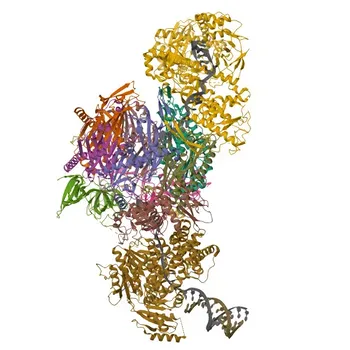
Anti-SKIV2L2 Polyclonal Antibody for WB, IHC-P, IP, ELISA - P42285
Item Number: CM0026836
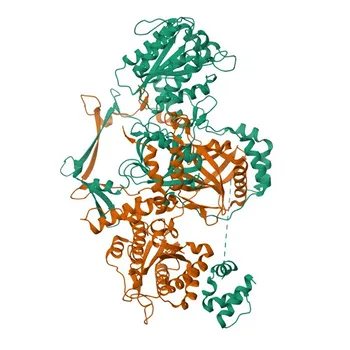
Anti-Ku70 Rabbit Polyclonal Antibody for WB, IHC-P, IF/ICC, IP, ELISA - P12956
Item Number: CM0026912
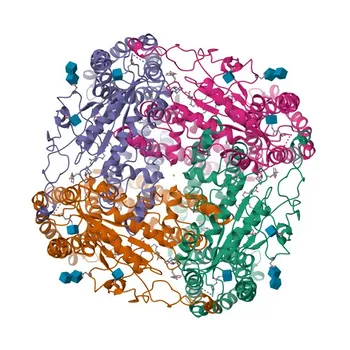
Anti-PKD2 (Polycystin-2) Rabbit Polyclonal Antibody for WB, ELISA - Q13563
Item Number: CM0026971
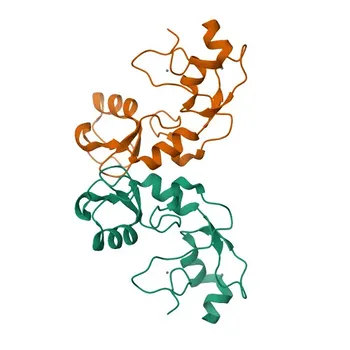
Anti-LNX1 Rabbit Polyclonal Antibody for WB, ELISA - Q8TBB1
Item Number: CM0027058
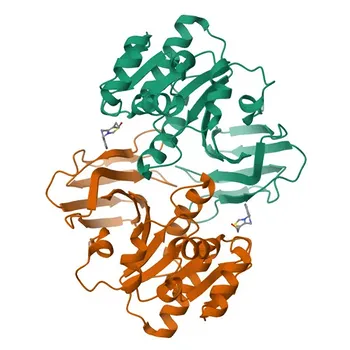
Anti-TPK1 Polyclonal Antibody for WB and ELISA - Q9H3S4
Item Number: CM0029159
No Image
Anti-NOLC1 Rabbit Polyclonal Antibody for WB - Q14978
Item Number: CM0029212
No Image
Anti-STX1A Polyclonal Antibody for WB, IF/ICC, ELISA - Q16623
Item Number: CM0029231
No Image
Anti-CGB7 Rabbit Polyclonal Antibody for WB, ELISA - P0DN87
Item Number: CM0029419
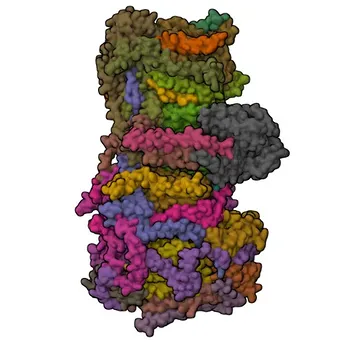
Anti-NDUFC2 Polyclonal Antibody for WB, ELISA - O95298
Item Number: CM0029564
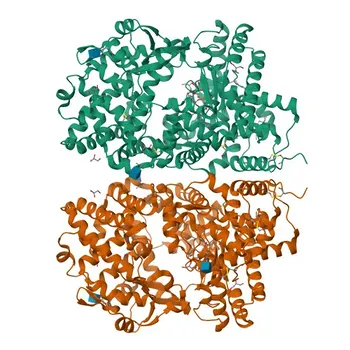
Anti-CD10/MME Rabbit Polyclonal Antibody for WB, IHC-P, ELISA - P08473
Item Number: CM0029566
No Image
TUSC2 Rabbit pAb - O75896
Item Number: CM0030646
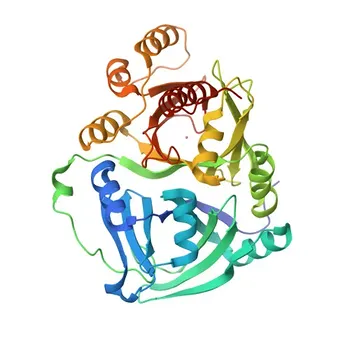
Anti-HPD Rabbit Polyclonal Antibody for WB, IHC-P, ELISA - P32754
Item Number: CM0030725
Anti-Arp2 Polyclonal Antibody for WB, IHC-P, IF/ICC, ELISA - P61160
Item Number: CM0030776
REQUEST A QUOTE
Our professional team will reply to you within one business day. Please feel free to contact us!
Related Articles
ROX in qPCR: The Quiet Reference That Makes Diagnostic Signals Trustworthy
Learn how ROX normalizes qPCR fluorescence, stabilizes Ct calls, and shapes the trade-off between instrument compatibility and multiplexing.
Why Minor Groove Binders Turn Short Hydrolysis Probes into Precision Diagnostic Tools
MGB chemistry improves probe stability, SNP discrimination, signal-to-noise ratio, and low-copy detection in demanding molecular assays.
qPCR Efficiency: The Mathematical Foundation of Reliable Molecular Diagnostics
Learn how qPCR efficiency is calculated, why the 90–100% range matters, and how it protects diagnostic accuracy, sensitivity, and compliance.
From Fluorescence to Diagnostic Truth: Choosing Passive Reference Dyes for qPCR Master Mixes
Learn how passive reference dyes stabilize qPCR signals, improve diagnostic reproducibility, and guide ROX formulation across instrument platforms.
ROX, Optical Architecture, and the Hidden Ceiling of Multiplex qPCR
How instrument optics determine ROX requirements, consume detection channels, and shape multiplex qPCR design, reagent logistics, and kit strategy.
When a Surface Becomes a Sensor: Choosing Between QCM, SAW, and Six Classes of Quality Detection
Explore six sensor families, how QCM and SAW convert molecular binding into frequency shifts, and why surface chemistry determines diagnostic reliability.
Competitive ELISA vs. GC/MS: Building a Faster, Defensible Strategy for Trace Detection
Learn how competitive ELISA compares with GC/MS for trace detection and how to validate immunoassay kits for reliable laboratory screening.
The Silent Correction Behind Reliable qPCR: Passive Reference Dyes, Rn, and Assay Design
Learn how passive reference dyes normalize qPCR noise, how Rn is calculated, and when ROX affects compatibility, accuracy, and multiplexing.