Polyclonal Antibodies
Anti-TPK1 Polyclonal Antibody for WB and ELISA - Q9H3S4
Item Number : CM0029159
Price varies based on specs and customizations
- Application
- WB, ELISA
- Cross Reactivity
- Human, Mouse, Rat
- Protein Weight
- 27kDa

Shipping:
Contact us to get shipping details Enjoy On-time Dispatch Guarantee.
Why Choose Us
Easy ordering process, quality products, and dedicated support for your business success.
Core Product Specifications and Parameters
| Parameter | Value |
|---|---|
| Product Name | TPK1 Rabbit pAb |
| Remarks/Alias | PP20; HTPK1; THMD5; TPK1 |
| Species | Human |
| Gene ID | 27010 |
| Immunogen | Recombinant fusion protein containing a sequence corresponding to amino acids 1-243 of human TPK1 (NP_071890.2) |
| Source | Rabbit |
| Category | Polyclonal Antibodies |
| Application | WB, ELISA |
| Cross Reactivity | Human, Mouse, Rat |
| SWISS | Q9H3S4 |
| Protein Weight | 27kDa |
| Shipping | Ice bag |
Biological Background: TPK1 Function and Localization
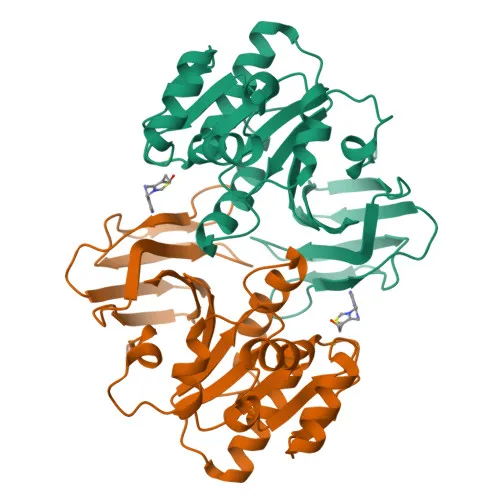
- TPK1 encodes thiamine pyrophosphokinase 1, also known as placental protein 20 (PP20), belonging to the thiamine pyrophosphokinase family.
- It catalyzes the conversion of thiamine to thiamine pyrophosphate (TPP) using UTP, linking TPP biosynthesis to pyrimidine metabolism. Related references: PMID:38547260
- TPP is an essential cofactor for mitochondrial pyruvate dehydrogenase; therefore, TPK1 indirectly regulates pyruvate oxidation and lipogenesis. Related references: PMID:38547260
- In vitro, TPK1 can also utilize ATP or CTP as phosphate donors, albeit with significantly lower efficiency, suggesting UTP is the physiological substrate. Related references: PMID:11342111, PMID:38547260
- TPK1 is expressed in heart, kidney, testis, small intestine, and peripheral blood leukocytes, with low levels detected in various tissues.
- The protein contains an ATP-binding domain and exhibits kinase/transferase activity.
- Alternative splicing produces multiple transcript variants.
- Mutations in TPK1 are associated with thiamine metabolism dysfunction syndrome 5 (THMD5), a neurodegenerative disorder.
Experimental Guidance and Technical Tips
- The immunogen corresponds to the N-terminal 243 amino acids; consider this epitope region when designing controls or cross-reactivity experiments.
- For Western blot, expect a band near 27 kDa; validate specificity using relevant positive and negative cell lysates.
- In ELISA, optimize coating antigen and antibody titration for your specific sample type and detection system.
- As a polyclonal antibody, it may recognize multiple epitopes; consider knockout or knockdown validation for critical applications.
CamelBio: Your One-Stop Sourcing Bridge
CamelBio is your trusted partner for IVD raw material sourcing, offering a comprehensive portfolio from validated antibodies to ancillary reagents. This anti-TPK1 antibody supports research into thiamine metabolism and related disorders, and CamelBio ensures seamless access to high-quality monoclonal/polyclonal antibodies, antigen pairs, and custom development services to accelerate your diagnostic projects from concept to clinic.
REQUEST A QUOTE
Our professional team will reply to you within one business day. Please feel free to contact us!