Polyclonal Antibodies
BRD3 Rabbit Polyclonal Antibody for WB, IHC-P, ELISA - Q15059
Item Number : CM0019116
Price varies based on specs and customizations
- Application
- WB, IHC-P, ELISA
- Cross Reactivity
- Human, Rat
- Protein Weight
- 80kDa

Shipping:
Contact us to get shipping details Enjoy On-time Dispatch Guarantee.
Why Choose Us
Easy ordering process, quality products, and dedicated support for your business success.
Core Product Specifications and Parameters
| Parameter | Value |
|---|---|
| Product Name | BRD3 Rabbit pAb |
| Remarks/Alias | ORFX; FSHRG2; RING3L; BRD3 |
| Species | Human |
| Gene ID (Human) | 8019 |
| Gene ID | 8019 |
| Immunogen | Recombinant fusion protein containing a sequence corresponding to amino acids 150-305 of human BRD3 (NP_031397.1). |
| Source | Rabbit |
| Category | Polyclonal Antibodies |
| Application | WB, IHC-P, ELISA |
| Cross Reactivity | Human, Rat |
| SWISS | Q15059 |
| Protein Weight | 80kDa |
| Shipping | Ice bag |
Biological Background: BRD3 Function and Localization
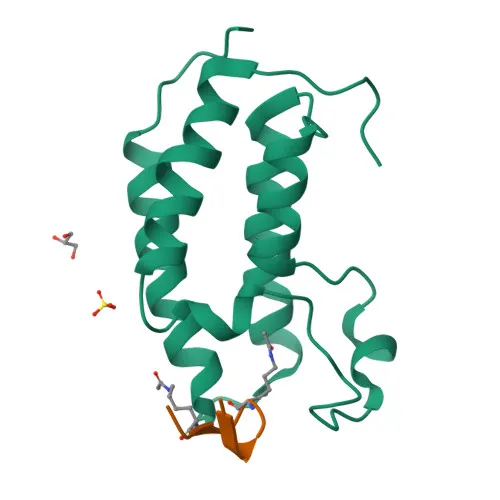
- BRD3 (bromodomain-containing protein 3) is a member of the bromodomain and extraterminal (BET) family, also known as RING3-like protein, encoded by the BRD3 gene.
- Functions as a chromatin reader that specifically recognizes and binds acetylated histones, regulating gene expression and chromatin structure. Related references: PMID:18406326, PMID:22464331, PMID:27105114
- Recruits transcription factors and coactivators to gene promoters, facilitating RNA polymerase II transcriptional elongation. Related references: PMID:29567837, PMID:32895492
- In vitro, binds to acetylated lysine residues on histones H2A, H2B, H3, and H4. Related references: PMID:18406326
- Involved in endoderm differentiation by undergoing liquid-liquid phase separation upon binding to lncRNA DIGIT, enhancing binding to H3K18ac and inducing endoderm gene expression. Related references: PMID:32895492
- Localizes to the nucleus and associates with chromosomes.
- Ubiquitously expressed across tissues.
- Post-translationally modified by acetylation, phosphorylation, and ubiquitination; contains two bromodomains and a coiled-coil region.
Experimental Guidance and Technical Tips
- The immunogen spans amino acids 150-305, encompassing the C-terminal region of bromodomain 1 and the linker to bromodomain 2. This design may confer reactivity against both full-length and truncated BRD3 isoforms.
- For Western blot, a band at approximately 80 kDa is expected; validate detection in your specific sample system and consider using appropriate positive controls (e.g., HeLa, HEK293T lysates) and loading amounts (e.g., 20–30 µg total protein).
- In immunohistochemistry-paraffin (IHC-P), antigen retrieval methods (e.g., citrate buffer, pH 6.0) and optimization of primary antibody concentration and incubation conditions are recommended; validate on known BRD3-expressing tissues.
- For ELISA, the antibody can be used as either capture or detection reagent; optimal coating and detection concentrations should be determined experimentally.
- Cross-reactivity with human and rat BRD3 has been noted; reactivity with other species should be tested individually.
CamelBio: Your One-Stop Sourcing Bridge
CamelBio provides diagnostic manufacturers and research laboratories with comprehensive access to IVD raw materials, from validated antibody pairs and optimized polyclonal antibodies to bulk ancillary reagents and rare-target sourcing. For chromatin biology and transcription regulation studies, CamelBio can supply BRD3 antibodies and related BET family reagents to support your assay development and production needs. As your one-stop partner, we help streamline procurement from concept to clinic.
REQUEST A QUOTE
Our professional team will reply to you within one business day. Please feel free to contact us!