Toggle Categories
Get Instant Support
Choose your preferred way to connect with our team
-
Get Free Quote Fill out form for detailed pricing
-
Send Email Detailed inquiry support
-
WhatsApp Quick mobile chat
Response Time
Within 8 hours on working days, 24 hours on holidays
Methylated Antibodies
pan-Mono-Methyl Arginine Motif Rabbit Polyclonal Antibody for WB and ELISA
Item Number: CM0000224
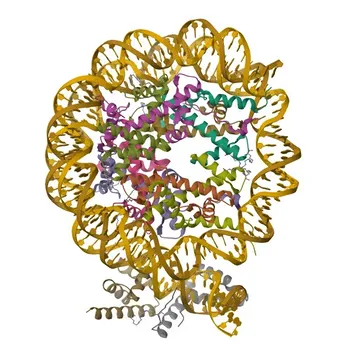
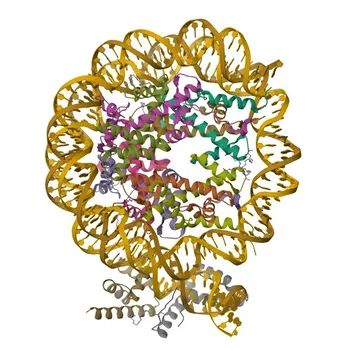
TriMethyl-Histone H3-K27 Rabbit Polyclonal Antibody (Q16695/P68431) for WB, ChIP, ELISA
Item Number: CM0000367
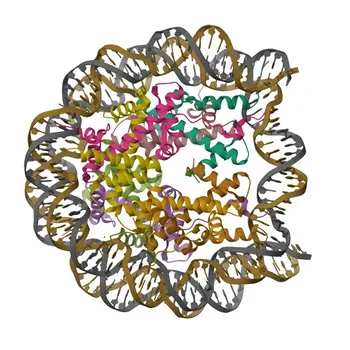
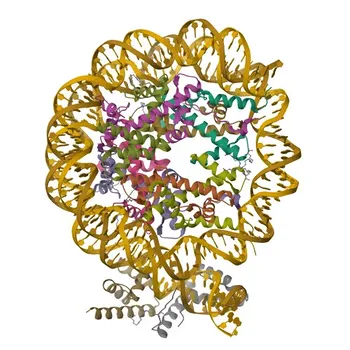
TriMethyl-Histone H3-K27 Rabbit Monoclonal Antibody (Q16695/P68431) for ChIP, CUT&Tag, WB
Item Number: CM0000347
Pan-Symmetric Di-Methyl Arginine Motif Rabbit mAb for WB and ELISA Applications
Item Number: CM0000206
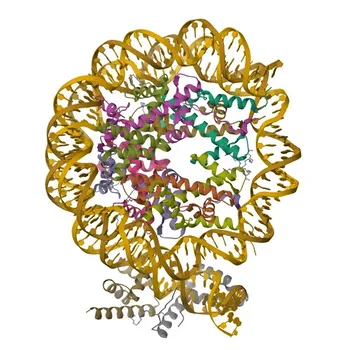
TriMethyl-Histone H3-K36 (K36me3) Rabbit mAb, Q16695/P68431 – WB, ChIP-seq, IHC-P
Item Number: CM0000295
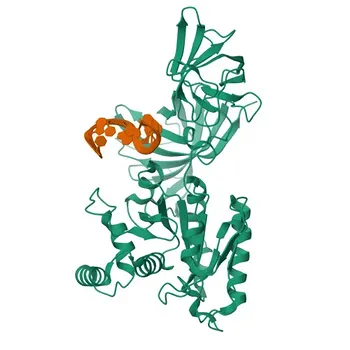
Dimethyl-eEF1A-K55 (P68104/Q05639) Rabbit Polyclonal Antibody for WB and ELISA
Item Number: CM0000231
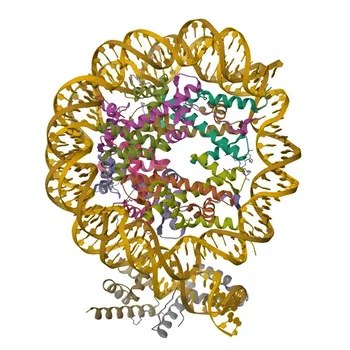
MonoMethyl-Histone H3-K79 Rabbit Polyclonal Antibody (Q16695 / P68431) for WB, ELISA, ChIP
Item Number: CM0000268
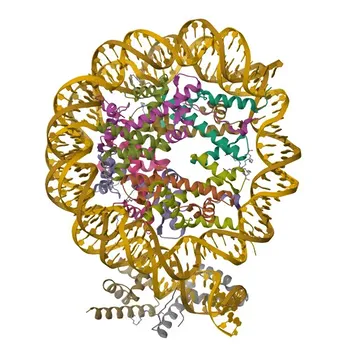
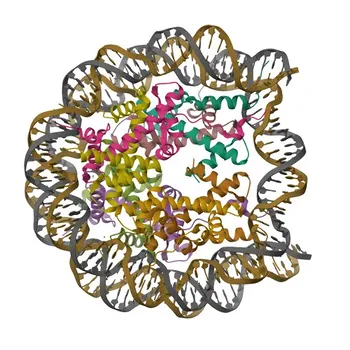
MonoMethyl-Histone H4-R3 Rabbit pAb (P62805) | IF/ICC, ELISA Ready Antibody
Item Number: CM0000311
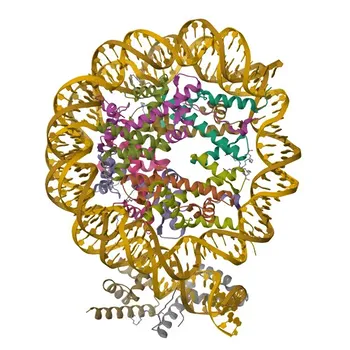
TriMethyl-Histone H3-K27 Mouse Monoclonal Antibody (P68431) for ChIP, CUT&Tag, WB, and IHC
Item Number: CM0000240
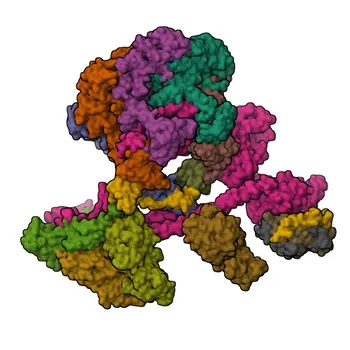
Pan DiMethyl-lysine Rabbit Polyclonal Antibody for WB and ELISA
Item Number: CM0000215
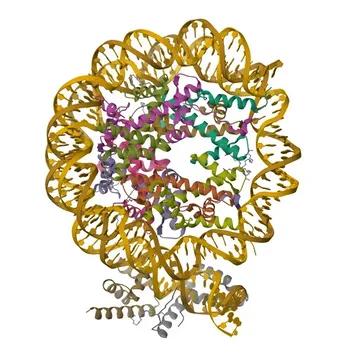
Symmetric DiMethyl-Histone H3-R26 Rabbit pAb (Q16695/P68431) for WB, IF/ICC, ELISA
Item Number: CM0000290
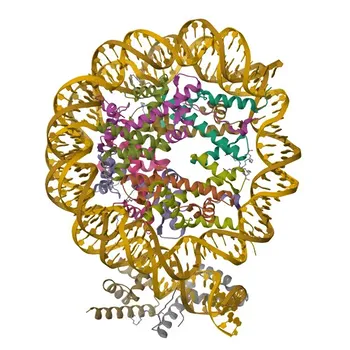
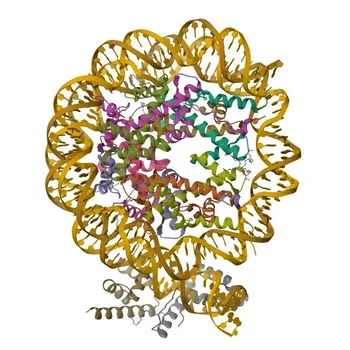
DiMethyl-Histone H3-K36 Rabbit Monoclonal Antibody (Q16695/P68431) for WB, IHC, IP & ELISA
Item Number: CM0000237
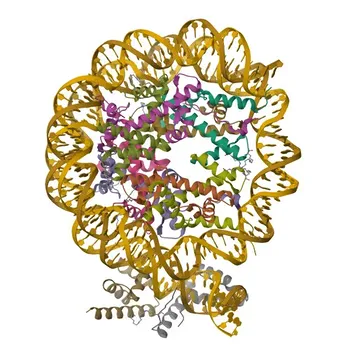
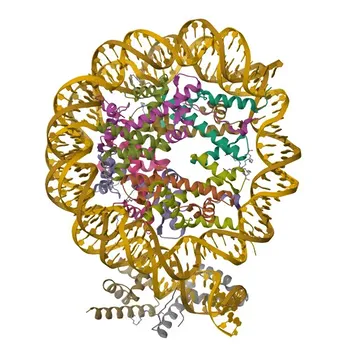
Pan-TriMethyl-lysine (pan Kme3) Rabbit Polyclonal Antibody for WB and ELISA
Item Number: CM0000210
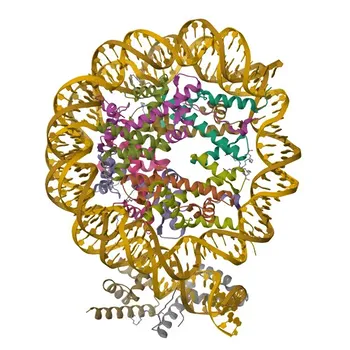
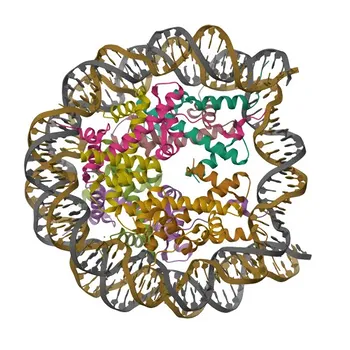
Asymmetric DiMethyl-Histone H4-R3 (P62805) Rabbit Polyclonal Antibody for WB, IHC-P, ELISA
Item Number: CM0000276
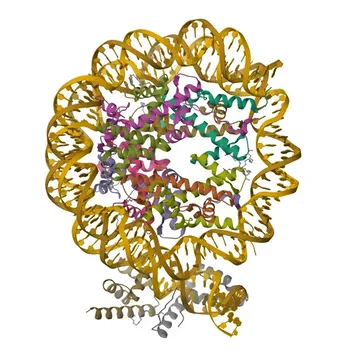
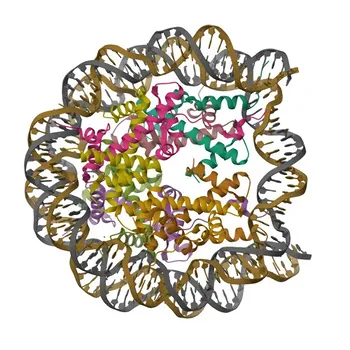
DiMethyl-Histone H4-K20 Rabbit pAb (P62805) for WB, IHC-P, IF/ICC, ELISA
Item Number: CM0000381
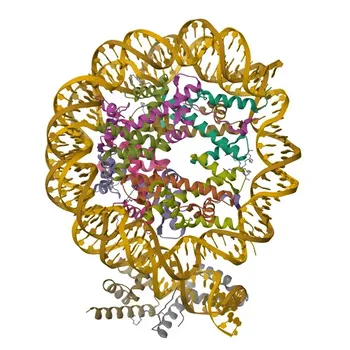
MonoMethyl-Histone H3-R2 Rabbit Polyclonal Antibody (Q16695/P68431) | WB, IF/ICC, ELISA
Item Number: CM0000265
Edit This Page
REQUEST A QUOTE
Our professional team will reply to you within one business day. Please feel free to contact us!
Related Articles

Primer-Dimers in qPCR: The Smallest Artifact with the Largest Diagnostic Consequences
Learn how primer-dimers undermine qPCR sensitivity and specificity, and how design, hot-start enzymes, probes, and controls restore assay reliability.
When a Straight Line Lies: How R and R² Define qPCR Reliability
Learn how R, R², slope, efficiency, and replicate precision work together to validate qPCR standard curves for reliable IVD results.

Designing Hydrolysis Probes That Win the Kinetic Race in Real-Time PCR
Learn how probe Tm, primer spacing, sequence composition, and assay validation determine qPCR signal strength and diagnostic reliability.
Two Control Layers, One Reliable qPCR Result: Designing Endogenous and Exogenous Controls for Molecular Diagnostics
Endogenous and exogenous controls solve different qPCR risks. Learn how dual-control design prevents false negatives and strengthens diagnostic confidence.
What Real-Time PCR Curves Reveal About Diagnostic Assay Performance
Learn how baseline, Ct, and ΔRn expose hidden PCR failures, validate assay efficiency, and guide better molecular diagnostics.
Specificity Is Built in Gates: A Hybridoma Screening Workflow for Reliable Immunoassay Raw Materials
A practical hybridoma screening workflow that removes carrier binders, proves native-target recognition, and limits cross-reactivity in IVD assays.
When the Dye Sees Everything: A Systematic Strategy for Cleaner, More Reliable qPCR
Learn how primer design, Mg2+ control, thermal optimization, and melt curves reduce background signal in dye-based qPCR assays.
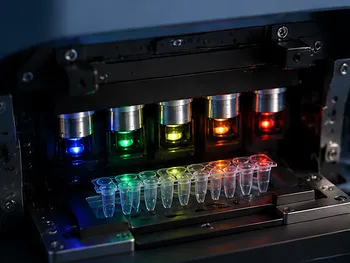
Designing Multiplex qPCR Assays from the Optical System Outward
How light sources, detectors, filters, and probe chemistry determine fluorophore choice, multiplex capacity, and quantitative qPCR performance.
From Sorbent Bed to Antibody Signal: Designing SPE Workflows That Immunoassays Can Trust
Learn how pH, flow rate, washing, drying, and detergent-based reconstitution determine SPE recovery and immunoassay reliability.
The Annealing Temperature Decision: Building Real-Time PCR Assays That Can Carry Clinical Responsibility
Annealing temperature controls the balance between PCR specificity and sensitivity. Learn how to optimize it for robust, clinically reliable diagnostics.
When qPCR Fluorescence Becomes Data: The Engineering Logic of FAM, FRET, and Reliable Probe-Based Assays
Explore how FAM, FRET, quenchers, and Taq polymerase turn probe cleavage into precise qPCR data for sensitive, scalable IVD assays.
Where Ct Values Become Trustworthy: Establishing the qPCR Fluorescence Threshold
Learn how baseline noise, statistical thresholds, exponential-phase placement, and validation turn qPCR fluorescence into reliable Ct values.
pH Is a Hidden Variable: Engineering More Reliable Competitive ELISA Kits for Small-Molecule Contaminants
Learn how precise pH control protects antibody binding, HRP activity, sensitivity, and reproducibility during competitive ELISA development.
Why Direct Hapten Coupling Changes the Economics of Small-Molecule Biosensors
Compare direct hapten coupling with protein conjugates to improve ligand density, signal quality, antibody efficiency, and chip reusability.
What Your qPCR Signal Really Means: Choosing Between SYBR Green I and TaqMan Chemistry
Compare SYBR Green I and TaqMan qPCR detection chemistry, from false-positive risk and multiplexing to workflow design for reliable IVD assays.
qPCR Primer Design: The Small Decisions That Determine Assay Reliability
A practical guide to qPCR primer design, from amplicon length and 3' stability to validation for efficient, reproducible diagnostics.
qPCR Efficiency: The Mathematical Foundation of Reliable Molecular Diagnostics
Learn how qPCR efficiency is calculated, why the 90–100% range matters, and how it protects diagnostic accuracy, sensitivity, and compliance.