Toggle Categories
Get Instant Support
Choose your preferred way to connect with our team
-
Get Free Quote Fill out form for detailed pricing
-
Send Email Detailed inquiry support
-
WhatsApp Quick mobile chat
Response Time
Within 8 hours on working days, 24 hours on holidays
Products
Anti-Mouse CD8a Monoclonal Antibody for FC - P01731
Item Number: CM0004776
PFKFB3 Rabbit Monoclonal Antibody for WB, IHC-P, ELISA - Q16875
Item Number: CM0006089
No Image
Biotin Rat anti-Mouse TER-119 mAb - TER-119
Item Number: CM0006219
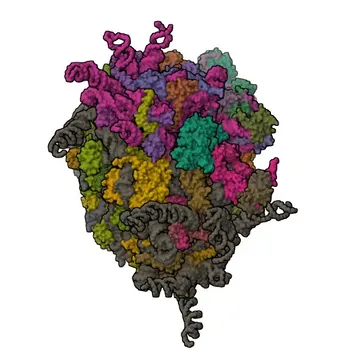
eEF2 Rabbit mAb - P13639
Item Number: CM0006228
No Image
Anti-ABI3 Rabbit Monoclonal Antibody for WB, IHC-P, ELISA - Q9P2A4
Item Number: CM0006602
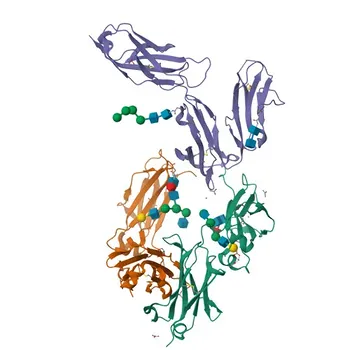
Anti-CD64 Rabbit Monoclonal Antibody for WB, ELISA - P12314
Item Number: CM0006679
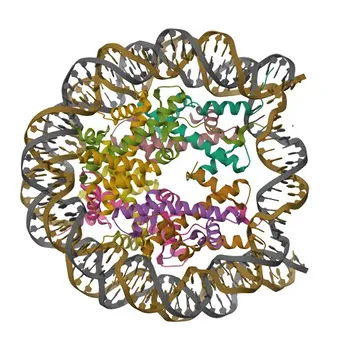
Anti-Histone H2B (testis specific) Monoclonal Antibody for WB, IP, IHC - Q96A08
Item Number: CM0006770
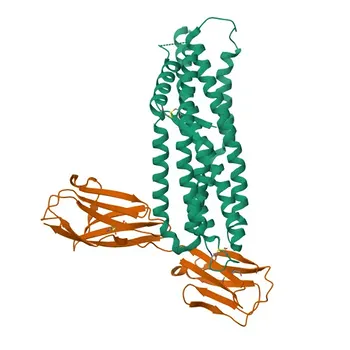
Anti-CD147/BSG Rabbit Monoclonal Antibody for WB, IHC-P, ELISA - P35613
Item Number: CM0007067
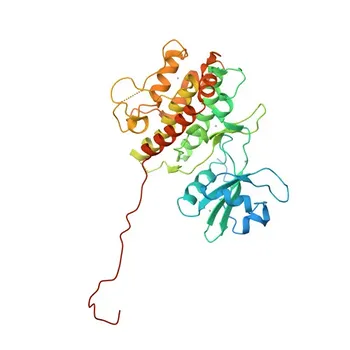
Anti-MAPKAPK-2/MK2 Monoclonal Antibody for WB, ELISA - P49137
Item Number: CM0007317
No Image
APC/Cyanine7 Anti-Mouse CD69 Monoclonal Antibody for Flow Cytometry - P37217
Item Number: CM0007941
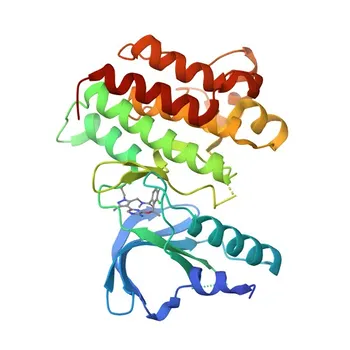
APC/Cyanine7 Anti-AXL Monoclonal Antibody for Flow Cytometry - P30530
Item Number: CM0008169
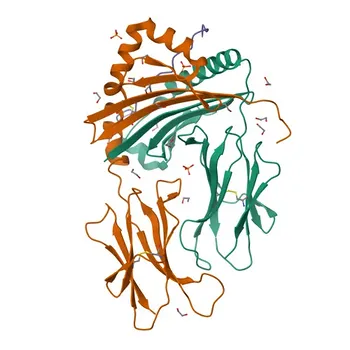
Anti-HLA-DR Rabbit Monoclonal Antibody for WB, IF/ICC, ELISA - P01903
Item Number: CM0008417
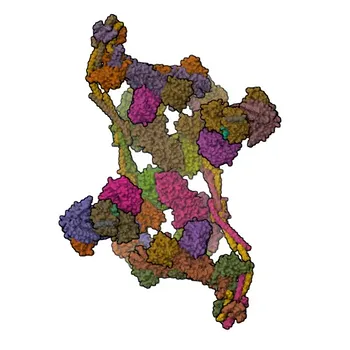
THOC4/ALYREF Rabbit Monoclonal Antibody for WB, IHC-P, ELISA - Q86V81
Item Number: CM0009942
Anti-Integrin alpha 5 (ITGA5/CD49e) Monoclonal Antibody () for FC - P08648
Item Number: CM0010106
Rabbit anti-Human CD93 Monoclonal Antibody for Flow Cytometry - Q9NPY3
Item Number: CM0010112
Rabbit anti-Human CD79a Monoclonal Antibody for Flow Cytometry (Intracellular) - P11912
Item Number: CM0010153
No Image
Anti-Mouse CD3 Monoclonal Antibody for Flow Cytometry - P04235 / P22646
Item Number: CM0010174
No Image
Anti-Human CD34 Monoclonal Antibody () for IF/ICC and FC - P28906
Item Number: CM0010253
Anti-TWEAKR/Fn14/CD266 Rabbit Monoclonal Antibody for WB, ELISA - Q9NP84
Item Number: CM0010392
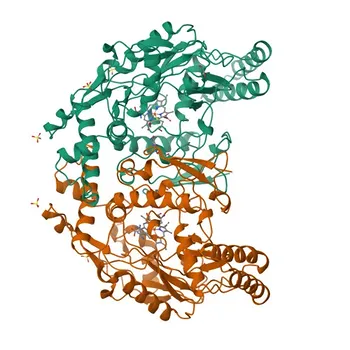
Anti-iNOS Monoclonal Antibody for WB, IF/ICC, ELISA - P35228
Item Number: CM0010644
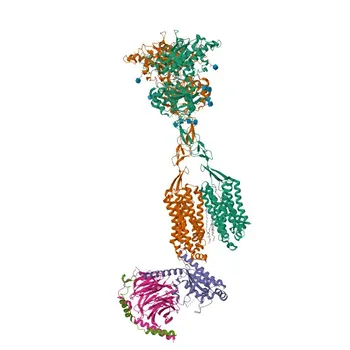
Anti-GNB2 Rabbit Monoclonal Antibody for WB, IHC-P, ELISA - P62879
Item Number: CM0010726
No Image
Anti-ILF2 Rabbit Monoclonal Antibody for WB, IHC-P, ELISA - Q12905
Item Number: CM0010930
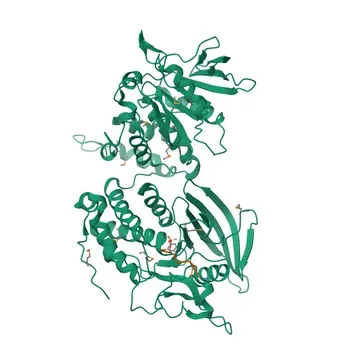
APC Rabbit Anti-Human/Monkey CD45 Monoclonal Antibody for Flow Cytometry - P08575
Item Number: CM0011665
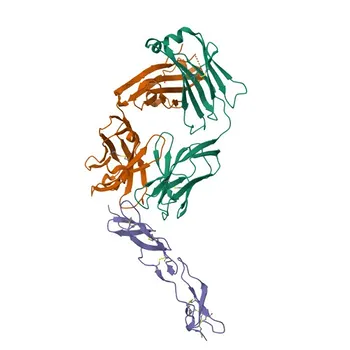
APC Rabbit anti-Human CD40 Monoclonal Antibody for FC - P25942
Item Number: CM0012741
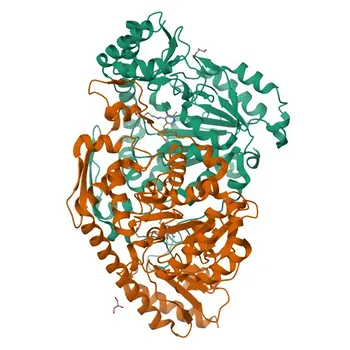
Anti-AADAT Rabbit Polyclonal Antibody for WB, IHC-P, IF/ICC, ELISA - Q8N5Z0
Item Number: CM0013379
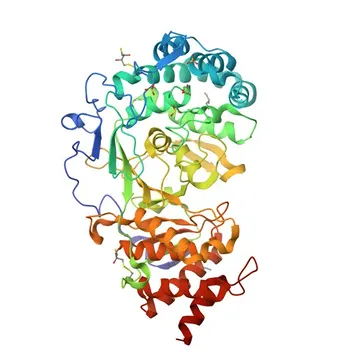
PARG Rabbit Polyclonal Antibody for WB, ELISA - Q86W56
Item Number: CM0014333
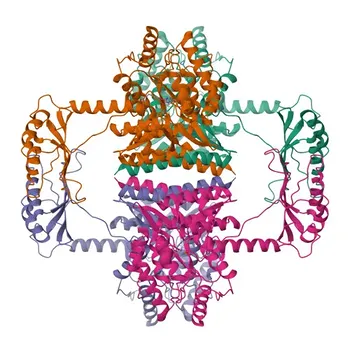
Anti-Tyrosine Hydroxylase Rabbit Polyclonal Antibody for WB, IHC-P, IF/ICC, ELISA - P07101
Item Number: CM0016247
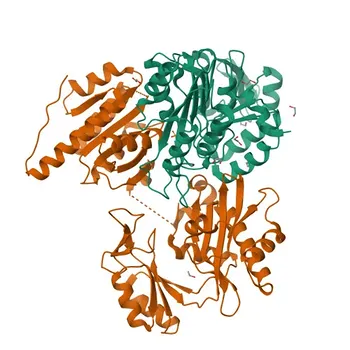
Anti-SUCLA2 Rabbit Polyclonal Antibody for WB, IF/ICC, ELISA - Q9P2R7
Item Number: CM0018209
Anti-Orexin B/Hypocretin-2 Rabbit Polyclonal Antibody for WB, ELISA - O43612
Item Number: CM0019079
Anti-PLGF Rabbit Polyclonal Antibody for WB, IF-P, ELISA - P49763
Item Number: CM0022568
REQUEST A QUOTE
Our professional team will reply to you within one business day. Please feel free to contact us!
Related Articles
Multiplex Micro-Array Immunoassays: The Antibody Bottleneck Behind Faster, Smarter Diagnostics
Explore how multiplex micro-array immunoassays increase speed and data density, and why antibody specificity, conjugates, and consistency limit scale.
ROX in qPCR: The Quiet Reference That Makes Diagnostic Signals Trustworthy
Learn how ROX normalizes qPCR fluorescence, stabilizes Ct calls, and shapes the trade-off between instrument compatibility and multiplexing.
Why Minor Groove Binders Turn Short Hydrolysis Probes into Precision Diagnostic Tools
MGB chemistry improves probe stability, SNP discrimination, signal-to-noise ratio, and low-copy detection in demanding molecular assays.
From Fluorescence to Diagnostic Truth: Choosing Passive Reference Dyes for qPCR Master Mixes
Learn how passive reference dyes stabilize qPCR signals, improve diagnostic reproducibility, and guide ROX formulation across instrument platforms.
ROX, Optical Architecture, and the Hidden Ceiling of Multiplex qPCR
How instrument optics determine ROX requirements, consume detection channels, and shape multiplex qPCR design, reagent logistics, and kit strategy.
When a Surface Becomes a Sensor: Choosing Between QCM, SAW, and Six Classes of Quality Detection
Explore six sensor families, how QCM and SAW convert molecular binding into frequency shifts, and why surface chemistry determines diagnostic reliability.
The Silent Correction Behind Reliable qPCR: Passive Reference Dyes, Rn, and Assay Design
Learn how passive reference dyes normalize qPCR noise, how Rn is calculated, and when ROX affects compatibility, accuracy, and multiplexing.