Monoclonal Antibodies
Rabbit anti-Human CD79a Monoclonal Antibody for Flow Cytometry (Intracellular) - P11912
Item Number : CM0010153
Price varies based on specs and customizations
- Application
- FC (intra)
- Cross Reactivity
- Human
- Protein Weight
- 20kDa/25kDa

Shipping:
Contact us to get shipping details Enjoy On-time Dispatch Guarantee.
Why Choose Us
Easy ordering process, quality products, and dedicated support for your business success.
Core Product Specifications and Parameters
| Parameter | Value |
|---|---|
| Product Name | Rabbit anti-Human CD79a mAb |
| Remarks/Alias | IGA; MB1; MB-1; IGAlpha |
| Species | Human |
| Gene ID (Human) | 973 |
| Gene ID | 973 |
| Immunogen | Recombinant protein |
| Source | Rabbit |
| Category | Monoclonal Antibodies |
| Application | FC (intra) |
| Cross Reactivity | Human |
| SWISS | P11912 |
| Protein Weight | 20kDa/25kDa |
| Shipping | Ice bag |
Biological Background: CD79a Function and Localization
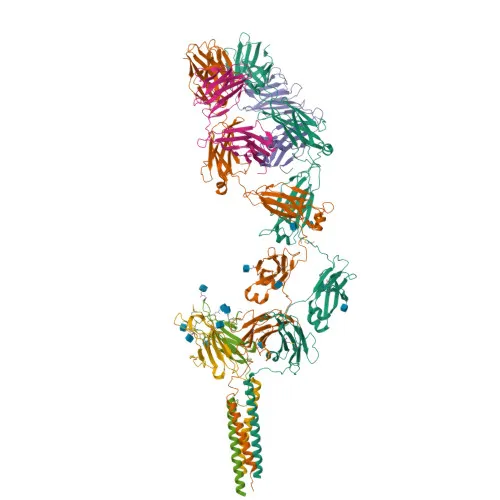
- CD79a, also known as Ig-alpha, MB-1, or MB-1 membrane glycoprotein, is the alpha chain of the B-cell antigen receptor complex-associated protein. It forms a heterodimer with CD79b and is essential for B-cell receptor (BCR) expression and function.
- Cooperates with CD79b to initiate the signal transduction cascade upon antigen binding to the BCR, leading to internalization of the complex, trafficking to late endosomes, and subsequent antigen presentation.
- Required for efficient differentiation of pro- and pre-B cells by promoting BCR surface expression. Its absence impairs early B-cell development.
- Stimulates SYK autophosphorylation and activation, and binds to BLNK, bringing BLNK into proximity with SYK and enabling SYK-mediated phosphorylation of BLNK, thereby propagating downstream signaling.
- Interacts with and increases the activity of some Src-family tyrosine kinases, further amplifying the signal. Conversely, it also represses BCR signaling during development of immature B cells to prevent premature activation.
- Localizes to the cell membrane as a single-pass type I membrane protein, with its immunoreceptor tyrosine-based activation motifs (ITAMs) in the cytoplasmic tail serving as docking sites for signaling molecules.
- Expressed specifically in B cells, from early stages of B-cell development through mature B cells, but downregulated in plasma cells.
- Undergoes several post-translational modifications including glycosylation, disulfide bond formation, phosphorylation, methylation, and ubiquitination. Alternative splicing generates multiple isoforms.
Experimental Guidance and Technical Tips
- The immunogen corresponds to amino acids 165–225, a region encompassing part of the intracellular domain. This design supports applications requiring intracellular epitope detection, such as intracellular flow cytometry.
- For intracellular staining, optimize fixation and permeabilization protocols using standard reagents (e.g., paraformaldehyde fixation followed by saponin or digitonin permeabilization). Validate in appropriate B-cell lines (e.g., Raji, Daudi) or primary human B cells.
- The antibody is recommended for flow cytometry (intracellular). Consider testing in other intracellular applications such as Western blotting under reducing conditions, noting the predicted molecular weights of 20 kDa and 25 kDa (isoform-dependent).
CamelBio: Your One-Stop Sourcing Bridge
CamelBio provides diagnostic manufacturers and research institutes with streamlined access to high-quality IVD raw materials, including validated antibody pairs, optimized monoclonal/polyclonal antibodies, and ancillary reagents. With expertise in B-cell biology and immunology targets, we support procurement of rare and research-grade materials like CD79a reagents, ensuring consistent supply for your assay development and validation workflows.
Product Datasheet
Rabbit anti-Human CD79a Monoclonal Antibody for Flow Cytometry (Intracellular) - P11912
REQUEST A QUOTE
Our professional team will reply to you within one business day. Please feel free to contact us!