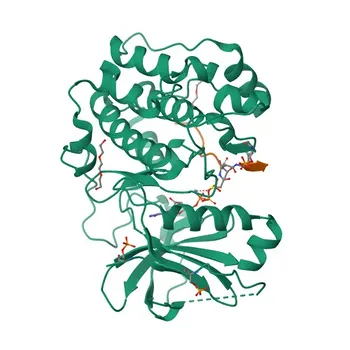
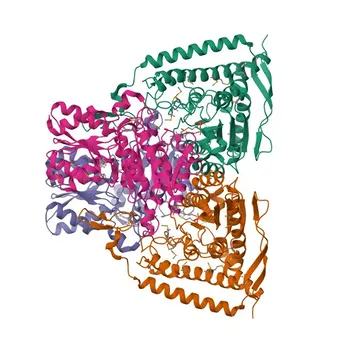
Alkaline phosphatase’s value as an enzyme label rests on three pillars: lightning-fast signal amplification, detection format versatility, and exceptional stability.
Due to its extremely high catalytic turnover rate, a single binding event generates an enormous signal, dramatically enhancing analytical sensitivity. This same enzyme can be paired with colorimetric, fluorescent, chemiluminescent, or electrochemical substrates, giving developers a single raw material that adapts to diverse detection platforms. Finally, ALP’s robust stability and straightforward purification streamline reagent manufacturing and extend product shelf life.
For IVD developers, alkaline phosphatase offers a unique combination of raw catalytic power, platform flexibility, and long-term reliability. Understanding these characteristics—and their practical limitations—enables smarter reagent selection and more robust diagnostic assay design.
Unpacking Alkaline Phosphatase’s Key Advantages
Exceptional Catalytic Turnover Rate: Sensitivity at Its Core
ALP hydrolyzes phosphomonoesters at an exceptionally fast rate. This high turnover means a single enzyme molecule continuously converts millions of substrate molecules into detectable signal.
The result is massive signal amplification from each binding event. Even low-abundance analytes can be quantified with confidence.
This amplification often works on standard microplate readers without specialized hardware. In some formats, the signal is even strong enough for visual qualitative interpretation before instrument reading.
Broad Substrate Specificity: One Enzyme, Many Detection Modes
A single ALP conjugate can serve nearly any detection format. Assay developers select the substrate chemistry that best fits their instrument platform and sensitivity requirements.
Colorimetric ELISA commonly uses p-nitrophenyl phosphate (PNPP), which yields a soluble yellow product measured at 414 nm. Fluorometric assays rely on 4-methylumbelliferyl phosphate for a fluorescent response.
Chemiluminescent immunoassays achieve ultra-high sensitivity with substrates like adamantyl dioxetane, producing intense light output. Electrochemical systems detect phenol or aniline derivatives such as phenyl phosphate or 4-aminophenyl phosphate.
Membrane-based western blotting applications use NBT/BCIP to form an insoluble dark blue precipitate directly on the membrane. This broad adaptability means developers can standardize on ALP across multiple product lines.
High Stability and Ease of Purification: Manufacturing Consistency
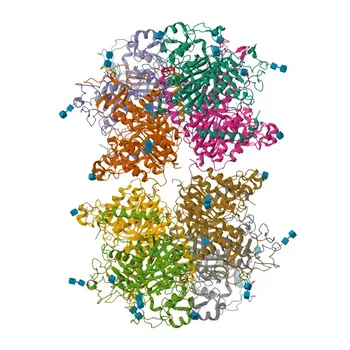
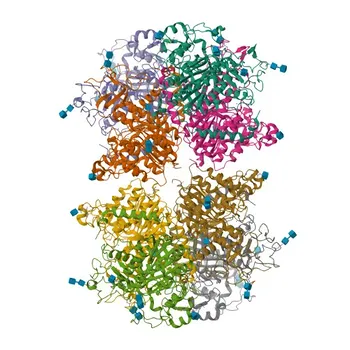
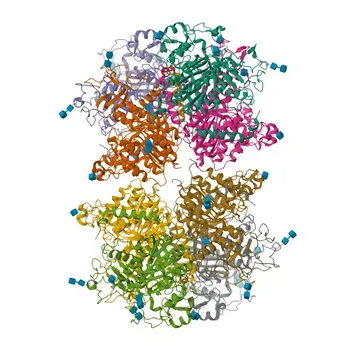
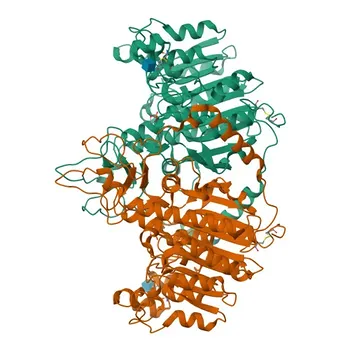
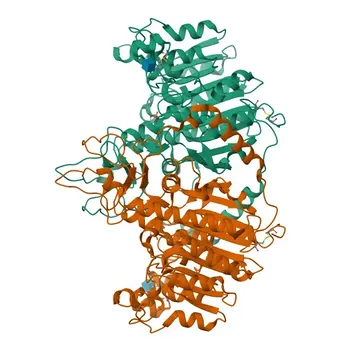
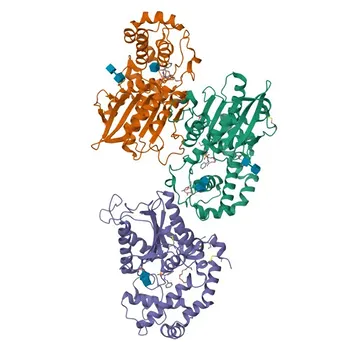
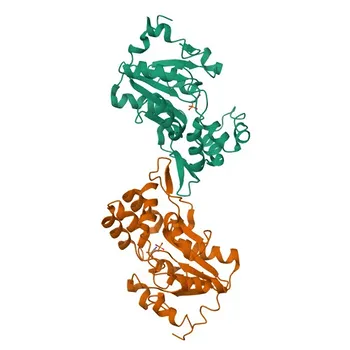
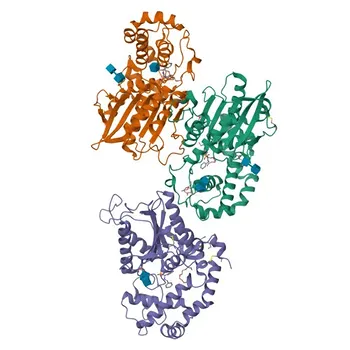
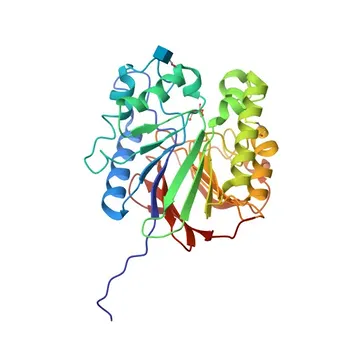
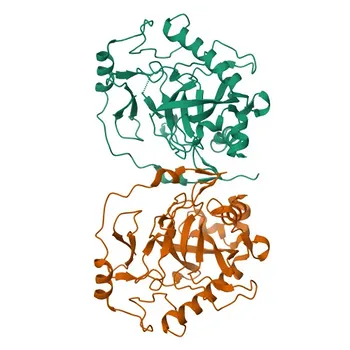
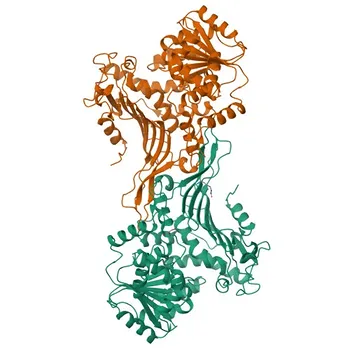
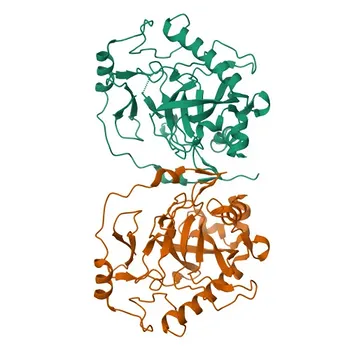
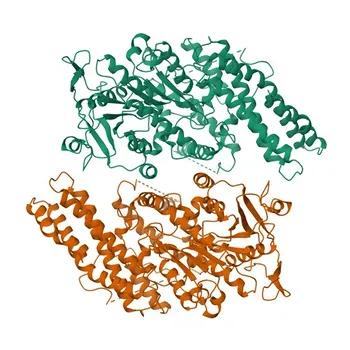
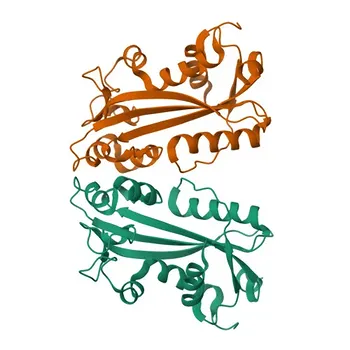
ALP (often purified from calf intestine) is a robust 140-kDa dimeric glycoprotein. It maintains optimal catalytic activity at pH 9.5–10.5 and shows wide pH stability.
The enzyme is stable for at least one year when stored at 4°C, a crucial property for diagnostic reagents. Straightforward purification from mucosal tissue yields high-purity material with consistent lot-to-lot performance.
This stability translates directly into reliable reagent shelf life and reduced manufacturing variability, two non‑negotiables for regulated IVD products.
Understanding the Trade-offs: When ALP Isn’t Perfect
Steric Hindrance from a Large Molecular Size
At 140 kDa, ALP is relatively large as an enzyme label. When conjugated to an antibody, it can physically obstruct access within densely packed antigen-antibody complexes.
This steric hindrance can reduce catalytic activity below what the bound enzyme count would predict. In tightly clustered solid-phase immunoassays, signal per binding event may be lower than with smaller enzyme labels.
Susceptibility to Endogenous Inhibitors
ALP activity is depressed by orthophosphate, zinc chelators, borate, carbonate, and urea. Clinical specimens like serum or urine often contain variable phosphate levels and other inhibitory compounds.
Inhibitor interference can introduce matrix-dependent signal variation, requiring careful specimen pre-treatment or alternative detection strategies. Failure to account for this can compromise accuracy in patient samples.
Comparability with Horse Radish Peroxidase (HRP)
HRP is smaller (~44 kDa) and can produce up to an order of magnitude greater signal intensity in identical colorimetric assay conditions. For purely chromogenic ELISA applications where maximum sensitivity is paramount, HRP may be the stronger choice.
However, HRP cannot match ALP’s breadth of substrate options. Developers must balance the need for raw signal strength against the flexibility and chemiluminescent capability ALP brings.
Practical Considerations for Raw Material Sourcing
Purity Beyond Enzymatic Activity: The Non-Specific Binding Factor
Enzyme preparations with identical activity, protein concentration, and electrophoretic purity can still perform very differently in clinical specimens. The critical hidden variable is non-specific binding (NSB).
ALP purified from mucosal tissue shows markedly lower NSB in patient samples compared to material from crude organ homogenates. High NSB increases background noise, eroding the very sensitivity ALP’s turnover rate should provide.
Testing Under Real-World Assay Conditions
Standard specific‑activity metrics alone are an unreliable guide. Developers must evaluate candidate enzyme raw materials directly in their actual clinical assay format.
This means challenging the conjugate with patient‑like matrices, the intended substrate, and the full reagent formulation. Only then can you confirm whether the enzyme’s theoretical advantages translate into genuine diagnostic performance.
Making the Right Choice for Your Goal
A few decision paths help developers align ALP’s strengths with their assay requirements:
- If your primary focus is maximum signal sensitivity across multiple detection platforms: Leverage ALP’s broad substrate specificity to cover colorimetric, fluorescent, and chemiluminescent formats from a single conjugate backbone.
- If your primary focus is avoiding interference from phosphate-rich clinical samples: Consider HRP or thoroughly validate your ALP‑based assay with sample pre‑treatment steps to mitigate inhibition.
- If your primary focus is long-term reagent stability and consistent lot-to-lot performance: ALP’s shelf life and straightforward purification make it a strong choice, provided you source mucosal‑tissue‑derived material to minimize NSB.
- If your primary focus is cost-effectiveness and smaller conjugate size: Evaluate HRP for straightforward colorimetric applications, but note that ALP’s platform versatility may reduce overall raw-material complexity.
Alkaline phosphatase doesn’t have to be the universal answer, but when its catalytic power, flexibility, and stability align with your diagnostic design, it becomes an extraordinarily effective foundation for reliable, high-sensitivity IVD assays.
Summary Table:
| Key Characteristic | Diagnostic Advantage | Common Substrates / Formats |
|---|---|---|
| High Catalytic Turnover | Massive signal amplification & high analytical sensitivity | Chemiluminescent (Dioxetane), Fluorometric (4-MUP) |
| Platform Versatility | Standardizes one enzyme across multiple detection modes | PNPP (Colorimetric), NBT/BCIP (Western Blot) |
| Robust Stability | Maintains activity for 1+ year at 4°C; consistent manufacturing | Mucosal-tissue purified ALP |
Ready to optimize your IVD assay performance with high-purity alkaline phosphatase and reliable enzyme labels? CamelBio provides diagnostic manufacturers, labs, and research institutes with one-stop access to IVD raw materials, technical services, and consulting—covering every stage from concept to clinic. Whether you are aiming to minimize non-specific background or looking for lot-to-lot consistency, our team is here to support your pipeline. Contact us today to learn how we can empower your diagnostic innovations!
Related Products
- Anti-Alkaline Phosphatase (ALPL) Rabbit Monoclonal Antibody for WB, IHC-P, ELISA - P05186
- Anti-Alkaline Phosphatase (ALPL) Rabbit Polyclonal Antibody for WB, IF-P, IHC-P, ELISA - P05186
- Anti-Alkaline Phosphatase (ALPL) Rabbit Polyclonal Antibody for WB, IHC-P, ELISA - P05186
- Anti-Placental Alkaline Phosphatase (PLAP) Rabbit Monoclonal Antibody for WB, IHC-P, ELISA - P05187
- Anti-Placental Alkaline Phosphatase (PLAP) Polyclonal Antibody for WB, IP, ELISA - P05187