Polyclonal Antibodies
Anti-ACP5 Polyclonal Antibody for WB, IF, IHC, ELISA - P13686
Item Number : CM0024112
Price varies based on specs and customizations
- Application
- WB, IF-P, IHC-P, ELISA
- Cross Reactivity
- Human, Mouse, Rat
- Protein Weight
- 37kDa

Shipping:
Contact us to get shipping details Enjoy On-time Dispatch Guarantee.
Why Choose Us
Easy ordering process, quality products, and dedicated support for your business success.
Core Product Specifications and Parameters
| Parameter | Value |
|---|---|
| Product Name | ACP5 Rabbit pAb |
| Remarks/Alias | HPAP; TRAP; TRAcP; TRACP5a; TRACP5b; TrATPase; ACP5 |
| Species | Human |
| Gene ID (Human) | 54 |
| Gene ID | 54 |
| Immunogen | Recombinant protein; Recombinant fusion protein containing a sequence corresponding to amino acids 76-325 of human ACP5 (NP_001602.1). |
| Source | Rabbit |
| Category | Polyclonal Antibodies |
| Application | WB, IF-P, IHC-P, ELISA |
| Cross Reactivity | Human, Mouse, Rat |
| SWISS | P13686 |
| Protein Weight | 37kDa |
| Shipping | Ice bag |
Biological Background: ACP5 Function and Localization
- ACP5 encodes tartrate-resistant acid phosphatase type 5 (TRAP, also known as TrATPase), a member of the acid phosphatase family responsible for dephosphorylation reactions.
- The enzyme plays a key role in bone metabolism by dephosphorylating osteopontin and bone sialoprotein, crucial for osteoclast function and bone resorption.
- ACP5 is a lysosomal enzyme; it is synthesized with a signal peptide that directs it to the lysosome, where it exerts its catalytic activity.
- It requires iron as a cofactor, making it a metalloenzyme, and contains disulfide bonds and glycosylation sites important for its structure and stability.
- Elevated ACP5 expression is observed in pathological conditions including Gaucher disease, Hodgkin disease, and various leukemias (hairy cell, B-cell, and T-cell), suggesting its potential as a biomarker.
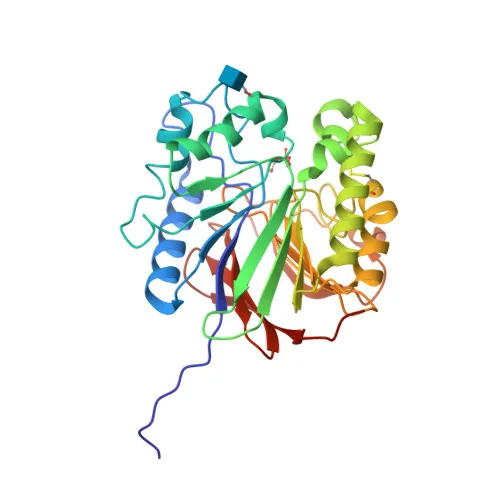
- The protein has been characterized through direct protein sequencing and 3D structure determination, confirming its identity and providing insights into its function.
Experimental Guidance and Technical Tips
- The immunogen corresponds to amino acids 76-325 of human ACP5, which includes the catalytic domain; thus, the antibody likely detects the mature enzyme form. Consider validating in samples expressing active osteoclasts or leukemic cell lines.
- For Western blot, the predicted molecular weight is 37 kDa; however, glycosylation may cause a shift. Optimize sample preparation and use appropriate controls.
- For immunohistochemistry (paraffin-embedded, IHC-P), antigen retrieval may be necessary; test with both enzymatic and heat-induced methods.
- In immunofluorescence, permeabilization is required to detect the lysosomal localization; co-staining with lysosomal markers can confirm specificity.
- Cross-reactivity with mouse and rat allows for translational studies; validate in your specific model system.
- ELISA performance should be verified with recombinant protein or biological samples; consider pairing with a detection antibody if developing a sandwich assay.
CamelBio: Your One-Stop Sourcing Bridge
CamelBio offers diagnostic manufacturers and research labs streamlined access to high-quality IVD raw materials, including validated antibody pairs, optimized monoclonal/polyclonal antibodies, and bulk ancillary reagents. Our ACP5 antibody supports bone metabolism and oncology research, with cross-species reactivity enabling diverse experimental applications. For rare target raw-material sourcing and technical consultation from concept to clinic, CamelBio serves as your reliable one-stop partner.
REQUEST A QUOTE
Our professional team will reply to you within one business day. Please feel free to contact us!