Phosphorylated Antibodies
Anti-Phospho-HSL-S563 Rabbit Polyclonal Antibody for WB, ELISA - Q05469
Item Number : CM0000785
Price varies based on specs and customizations
- Application
- WB, ELISA
- Cross Reactivity
- Human, Mouse, Rat
- Protein Weight
- 117kDa

Shipping:
Contact us to get shipping details Enjoy On-time Dispatch Guarantee.
Why Choose Us
Easy ordering process, quality products, and dedicated support for your business success.
Core Product Specifications and Parameters
| Parameter | Value |
|---|---|
| Product Name | Phospho-HSL-S563 Rabbit pAb |
| Remarks/Alias | HSL; LHS; REH; AOMS4; FPLD6; Phospho-HSL-S563 |
| Species | Human |
| GeneID (human) | 3991 |
| GeneID | 3991 |
| Immunogen | Synthetic Peptide|A synthetic phosphorylated peptide around S563 of rat HSL (XP_006228456.1). |
| Source | Rabbit |
| Category | Phosphorylated Antibodies |
| Application | WB, ELISA |
| Cross Reactivity | Human, Mouse, Rat |
| SWISS | Q05469 |
| Protein Weight | 117kDa |
| Shipping | Ice bag |
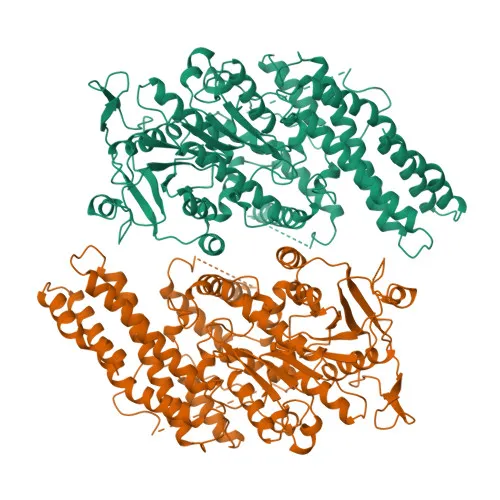
Biological Background: Hormone-sensitive lipase Function and Localization
-
Hormone-sensitive lipase (HSL), encoded by the LIPE gene, is a multifunctional lipase with broad substrate specificity, hydrolyzing triacylglycerols, diacylglycerols, monoacylglycerols, cholesteryl esters, and retinyl esters (PubMed:15716583, PubMed:15955102, PubMed:19800417).
Related references:
PMID:15716583
PMID:15955102
PMID:19800417 -
HSL preferentially hydrolyzes diacylglycerols over triacylglycerols and monoacylglycerols, with a preference for the sn-3 position of the glycerol backbone in diacylglycerols.
-
In adipose tissue and heart, HSL primarily mobilizes stored triglycerides into free fatty acids for energy, while in steroidogenic tissues, it converts cholesteryl esters to free cholesterol for steroid hormone production.
-
HSL also catalyzes the hydrolysis of 2-arachidonoylglycerol, an endocannabinoid, and 2-acetyl monoalkylglycerol ether, a precursor in platelet-activating factor synthesis.
-
Subcellularly, HSL localizes to the cytosol, lipid droplets, and the cell membrane, including caveolae; its translocation is regulated by phosphorylation.
-
HSL is a phosphoprotein, and its activity and intracellular localization are modulated by phosphorylation at multiple residues; this antibody specifically detects HSL phosphorylated at serine 563.
-
The protein is highly expressed in testis, but also present in adipose tissue, heart, and steroidogenic tissues, reflecting its key roles in energy homeostasis and steroidogenesis.
Experimental Guidance and Technical Tips
-
The immunogen is a synthetic phosphorylated peptide corresponding to rat HSL Ser563; verify sequence alignment with human, mouse, and rat HSL to ensure cross-reactivity.
-
For Western blotting, the predicted molecular weight of HSL is approximately 117 kDa; consider using appropriate gel percentage and transfer conditions for high-molecular-weight proteins.
-
Validate the antibody’s specificity by treating samples with phosphatase or using non-phosphorylated peptide controls.
-
For ELISA, optimize coating conditions and include a phospho-peptide standard to quantify phosphorylation levels.
-
Use appropriate stimulation conditions (e.g., isoproterenol for adipocytes) to induce HSL phosphorylation at Ser563 before detection.
CamelBio: Your One-Stop Sourcing Bridge
CamelBio is a comprehensive supplier of IVD raw materials, offering one-stop access to validated antibodies, antigens, and ancillary reagents for diagnostic development. With expertise in phosphorylation-specific antibodies and metabolic markers, we support your lipolysis and metabolic disorder research projects. For this Phospho-HSL-S563 antibody and beyond, we provide optimized monoclonal/polyclonal antibodies, bulk reagents, and customized sourcing for rare targets—bridging your journey from concept to clinic.
REQUEST A QUOTE
Our professional team will reply to you within one business day. Please feel free to contact us!