Monoclonal Antibodies
PSPH Rabbit Monoclonal Antibody for WB, ELISA - P78330
Item Number : CM0007164
Price varies based on specs and customizations
- Application
- WB, ELISA
- Cross Reactivity
- Human, Mouse, Rat
- Protein Weight
- 25kDa

Shipping:
Contact us to get shipping details Enjoy On-time Dispatch Guarantee.
Why Choose Us
Easy ordering process, quality products, and dedicated support for your business success.
Core Product Specifications and Parameters
| Parameter | Value |
|---|---|
| Product Name | PSPH Rabbit mAb |
| Remarks/Alias | PSP; PSPHD; PSPH |
| Species | Human |
| Gene ID | 5723 |
| Immunogen | Recombinant fusion protein containing a sequence corresponding to amino acids 1-225 of human PSPH (NP_004568.2) |
| Source | Rabbit |
| Category | Monoclonal Antibodies |
| Application | WB, ELISA |
| Cross Reactivity | Human, Mouse, Rat |
| SWISS | P78330 |
| Protein Weight | 25kDa |
| Shipping | Ice bag |
Biological Background: PSPH Function and Localization
- PSPH (phosphoserine phosphatase) catalyzes the last irreversible step in L-serine biosynthesis, converting O-phospho-L-serine to L-serine. L-serine is a proteinogenic amino acid and precursor for other amino acids, nucleotides, glutathione, and the neuromodulator D-serine.
Related references: PMID:12213811, PMID:14673469, PMID:15291819 - The enzyme belongs to the haloacid dehalogenase (HAD) superfamily and requires a magnesium ion cofactor for catalytic activity.
- Subcellularly, PSPH is located in the cytoplasm/cytosol, where it functions as part of the phosphorylated serine pathway.
- PSPH may also dephosphorylate O-phospho-D-serine, potentially contributing to D-serine metabolism, though this is not its primary activity.
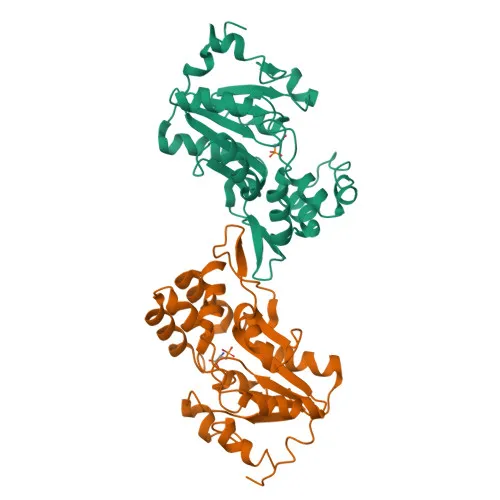
- PSPH is subject to acetylation, and its three-dimensional structure has been resolved, aiding mechanistic understanding.
- Genetic defects in PSPH lead to serine deficiency, which can cause severe neurological symptoms, underscoring its metabolic importance.
- The protein is conserved across mammalian species and has been detected in diverse tissues by proteomic profiling.
Experimental Guidance and Technical Tips
- This monoclonal antibody was generated using a recombinant protein covering amino acids 1–225 of human PSPH; it is expected to detect both endogenous and overexpressed PSPH in human, mouse, and rat samples.
- For Western blotting, a band at approximately 25 kDa is anticipated. Include appropriate positive controls and a molecular weight marker.
- In ELISA applications, the antibody may be used for capture or detection; optimize coating and detection conditions for best results.
- When first using this antibody, perform a titration to determine the optimal dilution factor for your specific sample type, as expression levels can vary.
- Cross-reactivity with mouse and rat makes it suitable for comparative studies or animal models of serine metabolism disorders.
CamelBio: Your One-Stop Sourcing Bridge
CamelBio is a comprehensive provider of IVD raw materials, technical services, and consulting, supporting diagnostic manufacturers from concept to clinic. This PSPH rabbit monoclonal antibody is part of our extensive catalog of validated antibodies for metabolism and neurological research. We offer bulk supply, customized antibody production, and sourcing assistance for rare targets, backed by expert technical support to accelerate your assay development.
REQUEST A QUOTE
Our professional team will reply to you within one business day. Please feel free to contact us!