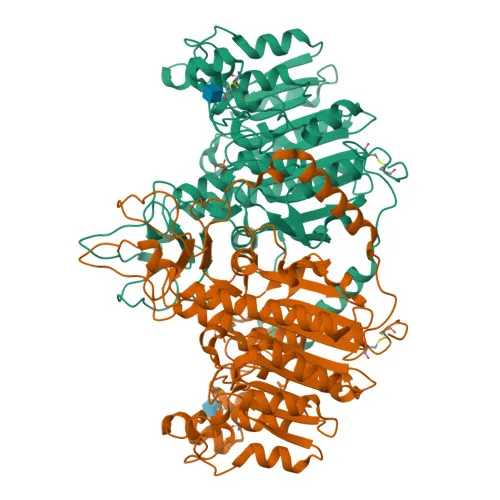
Monoclonal Antibodies
Anti-Placental Alkaline Phosphatase (PLAP) Rabbit Monoclonal Antibody for WB, IHC-P, ELISA - P05187
Item Number : CM0008038
Price varies based on specs and customizations
- Application
- WB, IHC-P, ELISA
- Cross Reactivity
- Human, Mouse, Rat
- Protein Weight
- 58kDa

Shipping:
Contact us to get shipping details Enjoy On-time Dispatch Guarantee.
Why Choose Us
Easy ordering process, quality products, and dedicated support for your business success.
Core Product Specifications and Parameters
| Parameter | Value |
|---|---|
| Product Name | Placental alkaline phosphatase (PLAP) Rabbit mAb |
| Remarks/Alias | ALP, IAP, ALPI, PALP, PLAP, PLAP-1, Placental alkaline phosphatase (PLAP) |
| Species | Human |
| GeneID (Human) | 250 |
| Immunogen | A synthetic peptide corresponding to a sequence within amino acids 100-200 of human Placental alkaline phosphatase (PLAP) (P05187). |
| Source | Rabbit |
| Category | Monoclonal Antibodies |
| Application | WB, IHC-P, ELISA |
| Cross Reactivity | Human, Mouse, Rat |
| SWISS | P05187 |
| Protein Weight | 58kDa |
| Shipping | Ice bag |
Biological Background: Placental Alkaline Phosphatase (PLAP) Function and Localization
- The protein encoded by the ALPP gene is a placental alkaline phosphatase, also known as Regan isozyme and PLAP-1, which functions as a hydrolase that cleaves various phosphate compounds.
- PLAP is attached to the outer leaflet of the cell membrane via a glycosylphosphatidylinositol (GPI) anchor, facilitating its extracellular enzymatic activity.
- The enzyme requires zinc, magnesium, and calcium ions as cofactors for catalytic activity, classifying it as a metal-binding metalloenzyme.
- It is a glycoprotein with N-linked glycosylation sites, contributing to a molecular weight of approximately 58 kDa, which may appear slightly higher due to post-translational modifications.
- Tissue-specific expression is predominantly observed in the placenta, making it a well-established marker for placental cells and certain germ cell tumors.
- The primary structure includes a signal peptide and a transmembrane helix in its precursor form, which are cleaved during processing to generate the mature GPI-anchored protein.
Experimental Guidance and Technical Tips
- For Western blotting, a band around 58 kDa is expected; however, glycosylation and other modifications may cause shifts—validate in the relevant sample system.
- Immunohistochemistry (IHC-P) may require antigen retrieval steps; PLAP localization on the cell membrane should be considered for interpretation of staining patterns.
- The synthetic peptide immunogen (aa 100–200) suggests the antibody epitope lies in a region not directly involved in catalytic activity, potentially useful for sandwich ELISA configuration with additional antibodies.
CamelBio: Your One-Stop Sourcing Bridge
CamelBio supports diagnostic manufacturers and research teams with comprehensive access to IVD raw materials, including this placental alkaline phosphatase (PLAP) rabbit monoclonal antibody for oncology and placental biology studies. We provide validated antibody pairs, bulk ancillary reagents, and rapid sourcing for rare target materials, all under one streamlined partnership. From concept to clinic, rely on CamelBio to bridge your sourcing needs with industry expertise.
REQUEST A QUOTE
Our professional team will reply to you within one business day. Please feel free to contact us!