Phosphorylated Antibodies
Anti-Phospho-PDHA1-S293 Rabbit Polyclonal Antibody for WB and ELISA - P08559
Item Number : CM0000892
Price varies based on specs and customizations
- Application
- WB, ELISA
- Cross Reactivity
- Human, Mouse, Rat
- Protein Weight
- 43kDa

Shipping:
Contact us to get shipping details Enjoy On-time Dispatch Guarantee.
Why Choose Us
Easy ordering process, quality products, and dedicated support for your business success.
Core Product Specifications and Parameters
| Parameter | Value |
|---|---|
| Product Name | Phospho-PDHA1-S293 Rabbit pAb |
| Remarks/Alias | PDHA; PDHAD; PHE1A; E1alpha; PDHCE1A; Phospho-PDHA1-S293 |
| Species | Human |
| Gene ID (Human) | 5160 |
| Gene ID | 5160 |
| Immunogen | Synthetic Peptide / A synthetic phosphorylated peptide around S293 of human PDHA1 (NP_000275.1) |
| Source | Rabbit |
| Category | Phosphorylated Antibodies |
| Application | WB, ELISA |
| Cross Reactivity | Human, Mouse, Rat |
| SWISS | P08559 |
| Protein Weight | 43kDa |
| Shipping | Ice bag |
Biological Background: PDHA1 Function and Localization
- PDHA1 encodes the somatic form of the alpha subunit of pyruvate dehydrogenase E1, a key enzyme complex that links cytoplasmic glycolysis to mitochondrial energy production.
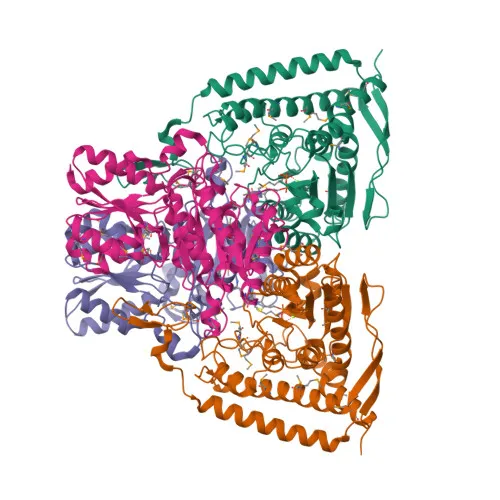
- Together with PDHB, the E1 heterotetramer (α₂β₂) catalyzes the thiamine pyrophosphate (TPP)-dependent decarboxylation of pyruvate and the subsequent reductive acetylation of the lipoyl-bearing E2 component, a critical step in converting pyruvate to acetyl‑CoA and CO₂. Related references: PMID:17474719 PMID:19081061 PMID:7782287
- The PDH complex resides in the mitochondrial matrix, where PDHA1 is localized to facilitate direct coupling with the TCA cycle.
- PDHA1 is ubiquitously expressed across human tissues, consistent with its central role in glucose metabolism.
- The protein is subject to regulatory post‑translational modifications, including phosphorylation at multiple serine residues and acetylation, which modulate enzymatic activity.
- Disease-associated mutations in PDHA1 are linked to Leigh syndrome and other primary mitochondrial disorders, underscoring its metabolic importance.
- As a member of the pyruvate dehydrogenase family, PDHA1 requires thiamine pyrophosphate (vitamin B1 derivative) and magnesium as cofactors for its catalytic activity.
Experimental Guidance and Technical Tips
- The antibody is raised against a phosphorylated peptide corresponding to residues surrounding Ser293 of human PDHA1. For optimal results, consider using phosphatase inhibitor cocktails during cell/tissue lysis to preserve the phospho-epitope.
- In Western blotting, a specific band at approximately 43 kDa (the molecular weight of PDHA1) should be detectable. Validate specificity by treating samples with lambda phosphatase or using non-phosphorylated peptide blocking.
- For ELISA applications, consider coating plates with the phosphorylated immunogen peptide as a positive control and a non-phosphorylated counterpart to confirm phospho-specificity.
- Cross-reactivity is reported for human, mouse, and rat PDHA1; however, it is advisable to verify reactivity in your sample system, especially when using non-human tissue extracts.
CamelBio: Your One-Stop Sourcing Bridge
As a trusted partner for diagnostic manufacturers and research laboratories, CamelBio streamlines access to high-quality IVD raw materials, including validated antibody pairs, optimized monoclonal/polyclonal antibodies, and bulk ancillary reagents. The Phospho-PDHA1-S293 Rabbit pAb supports mitochondrial metabolism and disease research, where precise phospho-specific detection is critical. Leveraging our comprehensive supply chain, we can assist in sourcing rare-target raw materials and scaling your assay development from concept to clinic.
REQUEST A QUOTE
Our professional team will reply to you within one business day. Please feel free to contact us!