Polyclonal Antibodies
Anti-ITPA Polyclonal Antibody for WB, ELISA - Q9BY32
Item Number : CM0016040
Price varies based on specs and customizations
- Application
- WB, ELISA
- Cross Reactivity
- Human, Mouse, Rat
- Protein Weight
- 21kDa

Shipping:
Contact us to get shipping details Enjoy On-time Dispatch Guarantee.
Why Choose Us
Easy ordering process, quality products, and dedicated support for your business success.
Core Product Specifications and Parameters
| Parameter | Specification |
|---|---|
| Product Name | ITPA Rabbit pAb |
| Remarks/Alias | DEE35; My049; ITPase; NTPase; C20orf37; dJ794I6.3; HLC14-06-P; ITPA |
| Species | Human |
| Gene ID (Human) | 3704 |
| Gene ID | 3704 |
| Immunogen | Recombinant fusion protein containing a sequence corresponding to amino acids 1-194 of human ITPA (NP_258412.1). |
| Source | Rabbit |
| Category | Polyclonal Antibodies |
| Application | WB, ELISA |
| Cross Reactivity | Human, Mouse, Rat |
| SWISS | Q9BY32 |
| Protein Weight | 21kDa |
| Shipping | Ice bag |
Biological Background: ITPA Function and Localization
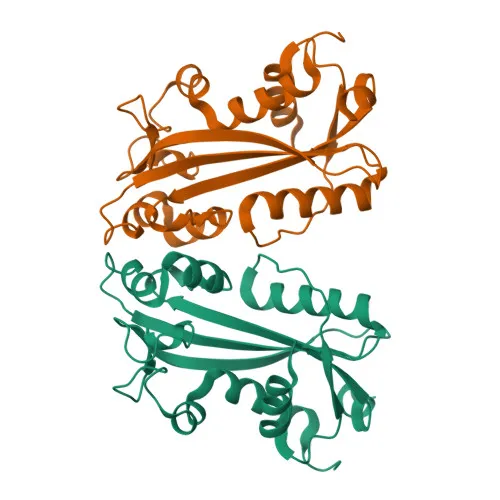
- ITPA encodes inosine triphosphate pyrophosphatase, a hydrolase that acts on non-canonical purine nucleotides including ITP, dITP, dHAPTP, and XTP, converting them to monophosphates without distinguishing deoxy- and ribose forms.
- The protein plays a critical role in nucleotide pool sanitation by preventing incorporation of non-canonical purines into RNA and DNA, thereby avoiding chromosomal lesions and maintaining genome integrity.
- ITPA is a member of the non-standard purine NTP pyrophosphatase family, with alternative names reflecting its substrates and historic references (e.g., ITPase, NTPase, putative oncogene hlc14-06-p).
- Subcellularly, ITPA localizes to the cytoplasm, consistent with its function in hydrolyzing cytosolic nucleotide triphosphates.
- Expression is ubiquitous but particularly high in heart, liver, sex glands, thyroid, and adrenal gland, suggesting tissue-specific demands for nucleotide pool quality control.
- Post-translational modifications include acetylation, and the protein requires magnesium as a cofactor for its pyrophosphatase activity.
Experimental Guidance and Technical Tips
- The immunogen covers the full-length human ITPA protein (amino acids 1–194), which may support recognition of endogenous protein in WB across the listed reactive species (human, mouse, rat).
- For WB, a band around 21 kDa is expected; consider using appropriate positive controls (e.g., tissues with high expression such as liver or heart) to verify reactivity.
- In ELISA, the antibody may require optimization of coating antigen and detection conditions; pilot experiments with recombinant ITPA protein are advisable.
- As a polyclonal antibody, lot-to-lot consistency should be verified for critical applications, and cross-adsorption may be needed if fine species discrimination is required.
CamelBio: Your One-Stop Sourcing Bridge
CamelBio empowers diagnostic manufacturers and research laboratories with integrated access to IVD raw materials. This anti-ITPA polyclonal antibody supports nucleotide metabolism and DNA damage research, and CamelBio is equipped to supply validated antibody pairs, optimized monoclonal and polyclonal antibodies, bulk ancillary reagents, and rare target raw-material sourcing—streamlining your project from concept to clinic.
REQUEST A QUOTE
Our professional team will reply to you within one business day. Please feel free to contact us!