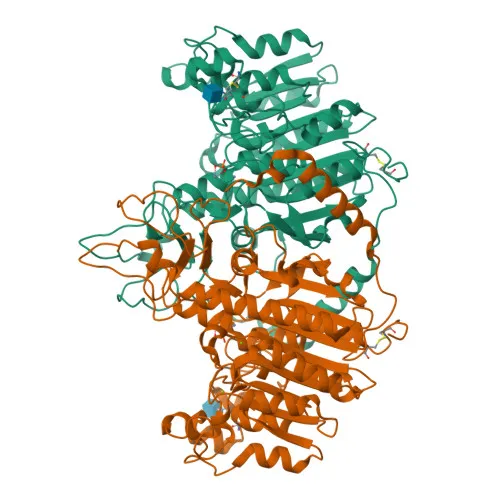
Polyclonal Antibodies
Anti-Placental Alkaline Phosphatase (PLAP) Polyclonal Antibody for WB, IP, ELISA - P05187
Item Number : CM0019462
Price varies based on specs and customizations
- Application
- WB, IP, ELISA
- Cross Reactivity
- Human
- Protein Weight
- 58kDa

Shipping:
Contact us to get shipping details Enjoy On-time Dispatch Guarantee.
Why Choose Us
Easy ordering process, quality products, and dedicated support for your business success.
Core Product Specifications and Parameters
| Parameter | Specification |
|---|---|
| Product Name | Placental alkaline phosphatase (PLAP) Rabbit pAb |
| Remarks/Alias | ALP; IAP; ALPI; PALP; PLAP; PLAP-1; Placental alkaline phosphatase (PLAP) |
| Species | Human |
| GeneID (Human) | 250 |
| GeneID | 250 |
| Immunogen | Recombinant fusion protein containing a sequence corresponding to amino acids 260-460 of human Placental alkaline phosphatase (PLAP) (NP_001623.3) |
| Source | Rabbit |
| Category | Polyclonal Antibodies |
| Application | WB, IP, ELISA |
| Cross Reactivity | Human |
| SWISS | P05187 |
| Protein Weight | 58kDa |
| Shipping | Ice bag |
Biological Background: Placental Alkaline Phosphatase (PLAP) Function and Localization
- Alkaline phosphatase, placental type (PLAP), also known as alkaline phosphatase Regan isozyme and placental alkaline phosphatase 1 (PLAP-1), is encoded by the ALPP gene in humans.
- Functions as an alkaline phosphatase that hydrolyzes various phosphate compounds, contributing to phosphate metabolism and cellular signaling.
- Localized to the cell membrane via a GPI anchor, consistent with its role as an ectoenzyme.
- Detected at the protein level in the placenta, indicating a tissue-specific expression pattern.
- Contains disulfide bonds, glycosylation sites, and metal-binding sites for zinc and magnesium, which are essential for its catalytic activity.
- Undergoes post-translational modifications including glycosylation and GPI-anchor attachment, classifying it as a lipoprotein.
- Features a signal peptide, transmembrane domain, and belongs to the alkaline phosphatase family known for broad substrate specificity.
Experimental Guidance and Technical Tips
- The immunogen covers amino acids 260-460 of human PLAP, a region likely accessible in both denatured and native protein conformations, making this antibody suitable for diverse assay formats.
- For Western blot, anticipate a specific band at approximately 58 kDa; use placental tissue lysates or PLAP-expressing cell lines as positive controls.
- In immunoprecipitation and ELISA, the polyclonal nature may improve sensitivity; optimize antibody dilutions and incubation conditions for each application.
- Since the antibody is raised in rabbit, use appropriate anti-rabbit secondary reagents and consider potential cross-reactivity if applied to human tissue sections containing endogenous rabbit IgG.
CamelBio: Your One-Stop Sourcing Bridge
CamelBio is your one-stop sourcing partner for IVD raw materials, offering this high-quality anti-PLAP polyclonal antibody along with comprehensive support for diagnostic development. Our portfolio includes validated antibody pairs, optimized monoclonal and polyclonal antibodies, bulk ancillary reagents, and custom sourcing for rare targets, empowering your projects from concept to clinic.
REQUEST A QUOTE
Our professional team will reply to you within one business day. Please feel free to contact us!