Polyclonal Antibodies
Anti-NARS Rabbit Polyclonal Antibody for WB, ELISA - O43776
Item Number : CM0013639
Price varies based on specs and customizations
- Application
- WB, ELISA
- Cross Reactivity
- Human, Mouse
- Protein Weight
- 63kDa

Shipping:
Contact us to get shipping details Enjoy On-time Dispatch Guarantee.
Why Choose Us
Easy ordering process, quality products, and dedicated support for your business success.
Core Product Specifications and Parameters
| Parameter | Value |
|---|---|
| Product Name | NARS Rabbit pAb |
| Remarks/Alias | NARS; ASNRS; NEDMILG; NEDMILEG |
| Species | Human |
| Gene ID (Human) | 4677 |
| Gene ID | 4677 |
| Immunogen | Recombinant protein|Recombinant fusion protein containing a sequence corresponding to amino acids 309-548 of human NARS (NP_004530.1). |
| Source | Rabbit |
| Category | Polyclonal Antibodies |
| Application | WB, ELISA |
| Cross Reactivity | Human, Mouse |
| SWISS | O43776 |
| Protein Weight | 63kDa |
| Shipping | Ice bag |
Biological Background: NARS Function and Localization
-
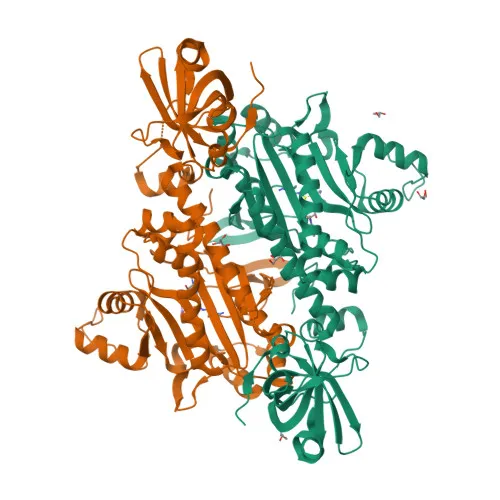
NARS encodes cytoplasmic asparagine--tRNA ligase (asparaginyl-tRNA synthetase, AsnRS), which catalyzes the ATP-dependent aminoacylation of tRNA(Asn) with asparagine, a fundamental step in protein translation.
Related references: PMID:32738225 PMID:32788587 PMID:9421509 -
Beyond its housekeeping role, NARS acts as a signaling molecule that binds the chemokine receptor CCR3 and induces chemotaxis in CCR3-expressing cells, highlighting immune-modulatory functions.
Related references: PMID:12235211 PMID:30171954 -
NARS is essential for the development of the cerebral cortex, where it is required for the proper proliferation of radial glial cells, linking asparaginyl-tRNA synthetase to neurogenesis.
Related references: PMID:32788587 -
The protein is localized to the cytoplasm, consistent with its role in cytosolic protein synthesis.
-
Post-translational modifications include acetylation and phosphorylation, and the protein is classified as a Class II aminoacyl-tRNA synthetase.
-
UniProt annotations associate NARS with disease variants linked to epilepsy, intellectual disability, and neurodegeneration, suggesting its importance in neurological health.
Experimental Guidance and Technical Tips
- The antibody was raised against a recombinant immunogen covering amino acids 309–548, which includes a large portion of the C-terminal catalytic domain of human NARS. This region is well conserved across human and mouse, supporting cross-reactivity.
- For Western blot (WB), a band at approximately 63 kDa is expected. Use appropriate positive (e.g., HeLa, HEK293) and negative controls, and consider a starting antibody dilution in the range of 1:500–1:2000, with optimization recommended.
- In ELISA applications, the polyclonal nature may provide high sensitivity for antigen detection. Validate coating and detection conditions using purified protein or cell lysates, and titrate the antibody to determine the optimal working concentration.
- For cross-reactivity verification in mouse samples, test lysates from mouse tissues known to express NARS, such as brain or immune cells, to confirm specificity.
CamelBio: Your One-Stop Sourcing Bridge
CamelBio supplies high-quality IVD raw materials to diagnostic manufacturers, research laboratories, and clinical partners worldwide. This anti-NARS polyclonal antibody supports protein biosynthesis and neurobiology investigations, while our comprehensive portfolio includes validated antibody pairs, optimized monoclonal/polyclonal antibodies, bulk ancillary reagents, and rare target sourcing capabilities. Partner with CamelBio to streamline your procurement from concept to clinic.
REQUEST A QUOTE
Our professional team will reply to you within one business day. Please feel free to contact us!