Polyclonal Antibodies
Anti-Emerin/EMD Polyclonal Antibody for WB, IHC-P, IF/ICC, ELISA - P50402
Item Number : CM0016561
Price varies based on specs and customizations
- Application
- WB, IHC-P, IF/ICC, ELISA
- Cross Reactivity
- Human, Mouse
- Protein Weight
- 29kDa

Shipping:
Contact us to get shipping details Enjoy On-time Dispatch Guarantee.
Why Choose Us
Easy ordering process, quality products, and dedicated support for your business success.
Core Product Specifications and Parameters
| Parameter | Value |
|---|---|
| Product Name | Emerin/EMD Rabbit pAb |
| Remarks/Alias | STA; EDMD; LEMD5; Emerin/EMD |
| Species | Human |
| GeneID | 2010 |
| Immunogen | Recombinant protein: Recombinant fusion protein containing a sequence corresponding to amino acids 1-220 of human Emerin/EMD (NP_000108.1). |
| Source | Rabbit |
| Category | Polyclonal Antibodies |
| Application | WB, IHC-P, IF/ICC, ELISA |
| Cross Reactivity | Human, Mouse |
| SWISS | P50402 |
| Protein Weight | 29kDa |
| Shipping | Ice bag |
Biological Background: Emerin Function and Localization
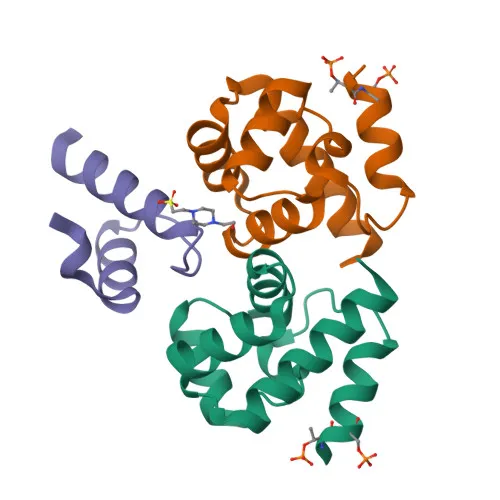
- Emerin, encoded by the EMD gene (aliases STA, EDMD, LEMD5), is a nuclear envelope protein.
- It stabilizes and promotes the formation of a nuclear actin cortical network by binding and stabilizing the pointed end of growing actin filaments.
Related references: PMID:15328537 - It inhibits beta-catenin activity by preventing its nuclear accumulation through a CRM1-dependent export pathway.
Related references: PMID:16858403 - It links centrosomes to the nuclear envelope via a microtubule association.
Related references: PMID:17785515 - It is required for proper localization of non-farnesylated prelamin-A/C.
Related references: PMID:19323649 - Together with NEMP1, it contributes to nuclear envelope stiffness in germ cells.
Related references: PMID:32923640 - It localizes to the nucleus inner and outer membrane, and is expressed in skeletal muscle, heart, colon, testis, ovary, and pancreas. Associated with Emery-Dreifuss muscular dystrophy and cardiomyopathy; subject to acetylation and phosphorylation.
Experimental Guidance and Technical Tips
- The immunogen (aa 1-220) covers the conserved N-terminal region; consider that this may contribute to the observed mouse cross-reactivity.
- For Western blotting, the predicted molecular weight is ~29 kDa; validate band size in relevant cell or tissue lysates, considering possible post-translational modifications.
- For IHC-P and IF/ICC, optimize fixation and permeabilization protocols, as Emerin is a nuclear envelope protein; antigen retrieval may be required.
- ELISA detection may be used for native or recombinant Emerin; consider coating buffer and blocking conditions to maintain protein conformation.
CamelBio: Your One-Stop Sourcing Bridge
CamelBio provides diagnostic manufacturers and researchers with a streamlined one-stop sourcing platform for IVD raw materials, from early-stage development to clinical application. This Emerin/EMD antibody supports studies on nuclear envelope dynamics and Emery-Dreifuss muscular dystrophy, and can be complemented by our validated antibody pairs, optimized monoclonal/polyclonal reagents, and ancillary raw-material supply services. For rare-target or custom sourcing needs, our team bridges the gap with efficient procurement and technical consultation.
REQUEST A QUOTE
Our professional team will reply to you within one business day. Please feel free to contact us!
Related Articles
From Molecular Binding to Manufacturing Discipline: How Reliable ELISA Kits Are Engineered
Explore the four operational mechanisms that govern ELISA kit performance, from passive coating and washing to signal generation and scalable IVD manufacturing.
Competitive ELISA vs. GC/MS: Building a Faster, Defensible Strategy for Trace Detection
Learn how competitive ELISA compares with GC/MS for trace detection and how to validate immunoassay kits for reliable laboratory screening.
The Signal You Lose Before the qPCR Run Begins: A Practical System for Protecting Primers and Fluorogenic Probes
Learn how aliquoting, dark storage, controlled thawing, and buffer choice protect qPCR fluorescence, Cq reproducibility, and assay sensitivity.