Monoclonal Antibodies
Anti-TERT Monoclonal Antibody for WB, ELISA - O14746
Item Number : CM0012515
Price varies based on specs and customizations
- Application
- WB, ELISA
- Cross Reactivity
- Human, Mouse, Rat
- Protein Weight
- 127kDa

Shipping:
Contact us to get shipping details Enjoy On-time Dispatch Guarantee.
Why Choose Us
Easy ordering process, quality products, and dedicated support for your business success.
Core Product Specifications and Parameters
| Parameter | Value |
|---|---|
| Product Name | TERT Rabbit mAb |
| Remarks/Alias | TP2; TRT; CMM9; EST2; TCS1; hTRT; DKCA2; DKCB4; hEST2; PFBMFT1; TERT |
| Species | Human |
| GeneID (Human) | 7015 |
| GeneID | 7015 |
| Immunogen | Recombinant protein | Recombinant fusion protein containing a sequence corresponding to amino acids 1000-1132 of human TERT (O14746). |
| Source | Rabbit |
| Category | Monoclonal Antibodies |
| Application | WB, ELISA |
| Cross Reactivity | Human, Mouse, Rat |
| SWISS | O14746 |
| Protein Weight | 127kDa |
| Shipping | Ice bag |
Biological Background: TERT Function and Localization
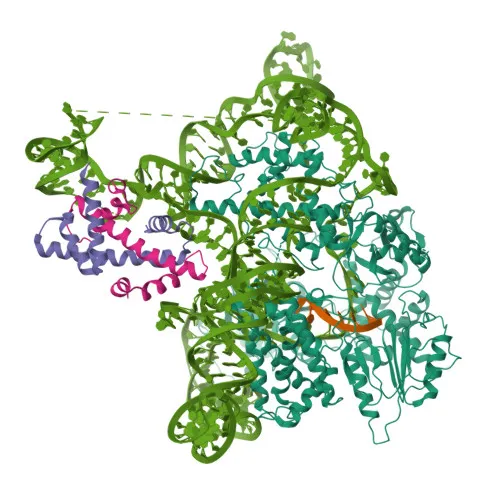
- Telomerase reverse transcriptase (TERT) is the catalytic subunit of the telomerase ribonucleoprotein complex, essential for de novo telomere repeat addition to chromosome ends.
- The enzyme cycles through primer binding, nucleotide addition, translocation, and release, adding the hexameric repeat 5’-TTAGGG-3’; it is active mainly in stem cells, germ cells, and the majority of cancers, while silenced in most normal somatic tissues.
- Beyond telomere elongation, TERT modulates Wnt signaling and influences cellular aging and anti-apoptotic pathways.
- Multiple isoforms arise from alternative splicing; the full-length protein is predominantly nuclear, localizing to nucleoli, nucleoplasm, and telomeres, but is also detected in cytoplasmic PML bodies.
- TERT expression is tissue-specific: highest in thymocyte subpopulations, intermediate in tonsillar T-lymphocytes, and low to undetectable in peripheral blood T-cells.
- The protein is subject to phosphorylation and functions as a DNA-binding, metal-dependent nucleotidyltransferase, requiring magnesium for catalysis.
Experimental Guidance and Technical Tips
- The immunogen corresponds to the C-terminal region (amino acids 1000–1132) of human TERT, which is well-conserved across human, mouse, and rat, supporting the observed cross-reactivity.
- For Western blotting, expect a band near 127 kDa; additional lower bands may indicate splice variants or degradation. Include appropriate positive controls (e.g., HeLa cells, mouse testis lysate) and validate under your experimental conditions.
- In ELISA, consider using recombinant TERT protein or the immunogen as a coating antigen; both indirect and sandwich formats may be suitable.
- Because TERT expression is often low, enrichment (e.g., nuclear extracts) or signal amplification may enhance detection sensitivity.
- While cross-reactivity with mouse and rat is indicated, always confirm performance in your specific sample system by testing appropriate positive and negative controls.
CamelBio: Your One-Stop Sourcing Bridge
CamelBio partners with diagnostic manufacturers and research institutes to streamline the supply of critical IVD raw materials. This TERT monoclonal antibody is a key resource for oncology, aging, and telomere biology research. From validated antibody pairs and optimized monoclonal/polyclonal antibodies to bulk ancillary reagents, we provide one-stop access to accelerate your assay development and commercialization.
REQUEST A QUOTE
Our professional team will reply to you within one business day. Please feel free to contact us!