Polyclonal Antibodies
Anti-TDG Polyclonal Antibody for WB and ELISA - Q13569
Item Number : CM0026129
Price varies based on specs and customizations
- Application
- WB, ELISA
- Cross Reactivity
- Human, Mouse, Rat
- Protein Weight
- 46kDa

Shipping:
Contact us to get shipping details Enjoy On-time Dispatch Guarantee.
Why Choose Us
Easy ordering process, quality products, and dedicated support for your business success.
Core Product Specifications and Parameters
| Parameter | Value |
|---|---|
| Product Name | TDG Rabbit pAb |
| Remarks/Alias | hTDG; TDG |
| Species | Human |
| GeneID (Human) | 6996 |
| GeneID | 6996 |
| Immunogen | Recombinant fusion protein containing a sequence corresponding to amino acids 1-160 of human TDG (NP_003202.3). |
| Source | Rabbit |
| Category | Polyclonal Antibodies |
| Application | WB, ELISA |
| Cross Reactivity | Human, Mouse, Rat |
| SWISS | Q13569 |
| Protein Weight | 46kDa |
| Shipping | Ice bag |
Biological Background: TDG / G/T mismatch-specific thymine DNA glycosylase (hTDG) Function and Localization
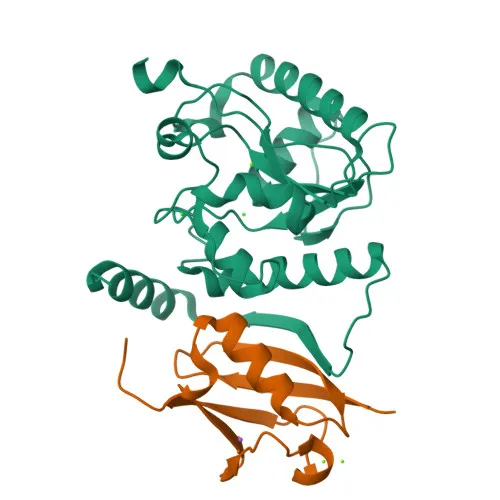
- TDG is a DNA glycosylase with critical roles in both active DNA demethylation and base excision repair. It specifically recognizes and excises 5‑formylcytosine (5fC) and 5‑carboxylcytosine (5caC) from CpG dinucleotides, facilitating their replacement with unmodified cytosine.
- In addition to its demethylase activity, TDG corrects G/T mismatches arising from deamination of 5‑methylcytosine. It removes thymine from G/T, C/T, and T/T mispairs, with a marked preference for G/T, but does not act on A/T pairs or single‑stranded DNA.
- The enzyme can also excise uracil and 5‑bromouracil from mispairs with guanine, broadening its surveillance of non‑canonical bases.
- TDG is localized exclusively in the nucleus, consistent with its genome maintenance functions.
- As a hub for epigenetic regulation, TDG participates in transcription regulation by promoting DNA demethylation at gene promoters and enhancers. It has been shown to function both as a transcriptional activator and as a chromatin regulator.
- Post‑translational modifications, including SUMOylation, modulate its activity and interactions, adding another regulatory layer to its DNA repair and transcription functions.
Experimental Guidance and Technical Tips
- The immunogen used encompasses the N‑terminal region (amino acids 1‑160) of human TDG. This segment is conserved across species, supporting the reported cross‑reactivity with mouse and rat.
- For Western blotting, TDG migrates at approximately 46 kDa; lysate preparation should preserve nuclear proteins. Consider testing a dilution range (e.g., 1:500–1:2000) and validate with appropriate positive and negative controls.
- ELISA applications can be used to probe TDG quantities in purified nuclear extracts or recombinant protein; ensure the capture/detection system does not interfere with the epitopes recognized by this polyclonal antibody.
CamelBio: Your One-Stop Sourcing Bridge
CamelBio supplies a comprehensive array of IVD raw materials, including validated antibodies like this anti‑TDG polyclonal for DNA repair and epigenetics research. For diagnostic developers and laboratories, we offer one‑stop access to optimized antibody pairs, recombinant proteins, and ancillary reagents, streamlining your assay development from concept to clinic.
REQUEST A QUOTE
Our professional team will reply to you within one business day. Please feel free to contact us!