Polyclonal Antibodies
Anti-RNASE3 Rabbit Polyclonal Antibody for WB, ELISA - P12724
Item Number : CM0017823
Price varies based on specs and customizations
- Application
- WB, ELISA
- Cross Reactivity
- Human, Rat
- Protein Weight
- 18kDa

Shipping:
Contact us to get shipping details Enjoy On-time Dispatch Guarantee.
Why Choose Us
Easy ordering process, quality products, and dedicated support for your business success.
Core Product Specifications and Parameters
| Parameter | Value |
|---|---|
| Product Name | RNASE3 Rabbit pAb |
| Remarks/Alias | ECP; RAF1; RNS3; RNASE3 |
| Species | Human |
| GeneID (Human) | 6037 |
| GeneID | 6037 |
| Immunogen | Synthetic peptide|A synthetic peptide corresponding to a sequence within amino acids 100-160 of human RNASE3 (NP_002926.2). |
| Source | Rabbit |
| Category | Polyclonal Antibodies |
| Application | WB, ELISA |
| Cross Reactivity | Human, Rat |
| SWISS | P12724 |
| Protein Weight | 18kDa |
| Shipping | Ice bag |
Biological Background: RNASE3 Function and Localization
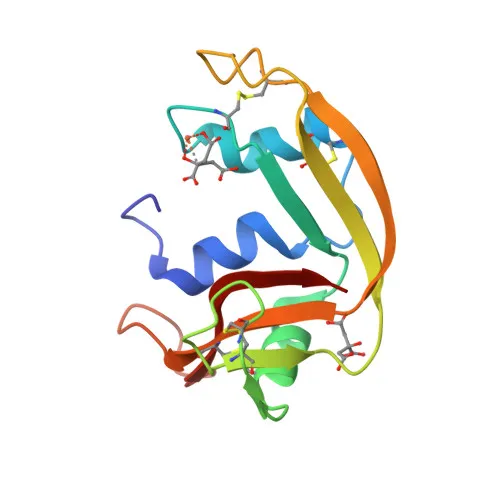
- RNASE3 (also known as eosinophil cationic protein, ECP) is a secreted protein that functions as a cytotoxin and helminthotoxin, with low-efficiency ribonuclease activity.
- It disrupts bacterial membranes, leading to cytoplasmic membrane depolarization, outer membrane detachment, and loss of cellular content in both Gram-negative and Gram-positive bacteria.
- RNASE3 is released from activated eosinophils and contributes to host defense against parasitic helminths and bacterial infections.
- The protein contains several disulfide bonds typical of the RNase A superfamily and undergoes post-translational modifications including glycosylation and tyrosine nitration.
- Subcellularly, RNASE3 is processed through the secretory pathway and is found in eosinophil granules and extracellular fluids.
- Its ribonuclease activity, although weak, may contribute to antiviral activity and RNA degradation in the inflammatory milieu.
Experimental Guidance and Technical Tips
- The immunogen corresponds to residues 100–160 of human RNASE3; this region shows high homology with rat RNASE3, consistent with observed cross-reactivity. Verify reactivity in other species via sequence alignment.
- For Western blotting, expect a major band at ~18 kDa; additional bands from glycosylation or aggregation may be observed. Use reducing conditions and validate with appropriate controls.
- In ELISA, use recombinant RNASE3 or native protein from eosinophil lysates as coating antigen. Optimize coating buffer and blocking to minimize background.
- Polyclonal antibodies may exhibit lot-to-lot variability; consider validating each new lot in your specific assay setup for consistent performance.
- RNASE3 can be detected in serum, plasma, or cell culture supernatants. Include positive and negative controls (e.g., eosinophil vs. neutrophil lysates) to confirm specificity.
CamelBio: Your One-Stop Sourcing Bridge
CamelBio is a dedicated supplier of IVD raw materials, supporting diagnostic manufacturers, research labs, and clinical institutions from early development to commercialization. This anti-RNASE3 polyclonal antibody is ideal for immunoassay development targeting eosinophil-associated disorders and innate immunity. In addition to validated antibodies, CamelBio offers a broad range of antigens, antibody pairs, and ancillary reagents, with expertise in sourcing rare targets to accelerate your diagnostic projects.
REQUEST A QUOTE
Our professional team will reply to you within one business day. Please feel free to contact us!