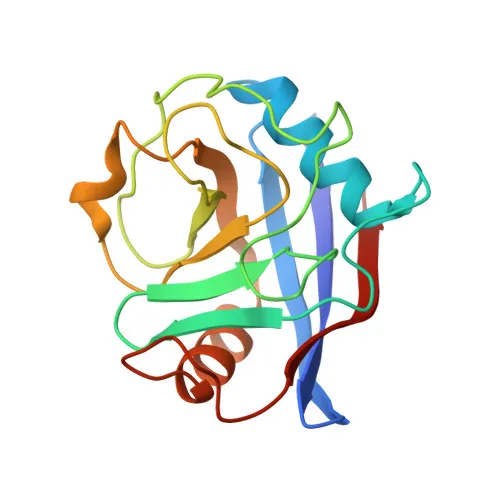
Polyclonal Antibodies
Anti-PPIF (Cyclophilin D) Polyclonal Antibody for WB and ELISA - P30405
Item Number : CM0027246
Price varies based on specs and customizations
- Application
- WB, ELISA
- Cross Reactivity
- Mouse
- Protein Weight
- 22kDa

Shipping:
Contact us to get shipping details Enjoy On-time Dispatch Guarantee.
Why Choose Us
Easy ordering process, quality products, and dedicated support for your business success.
Core Product Specifications and Parameters
| Parameter | Value |
|---|---|
| Product Name | PPIF Rabbit pAb |
| Remarks/Alias | CYP3, CypD, CyP-M, Cyp-D |
| Species | Human |
| GeneID (Human) | 10105 |
| GeneID | 10105 |
| Immunogen | Recombinant fusion protein containing a sequence corresponding to amino acids 30-207 of human PPIF (NP_005720.1) |
| Source | Rabbit |
| Category | Polyclonal Antibodies |
| Application | WB, ELISA |
| Cross Reactivity | Mouse |
| SWISS | P30405 |
| Protein Weight | 22kDa |
| Shipping | Ice bag |
Biological Background: Peptidyl-prolyl cis-trans isomerase F, mitochondrial (PPIF) Function and Localization
- PPIF encodes peptidyl-prolyl cis-trans isomerase F, also known as Cyclophilin D (CypD), Cyclophilin F, and mitochondrial cyclophilin (CyP-M), a member of the cyclophilin family of peptidyl-prolyl isomerases.
- It catalyzes the cis-trans isomerization of proline imidic peptide bonds in oligopeptides, thereby assisting protein folding. Related references: PMID:20676357
- PPIF is a key regulator of the mitochondrial permeability transition pore (mPTP); its association with mPTP reportedly masks a binding site for inhibitory inorganic phosphate (Pi) and promotes mPTP opening, leading to apoptosis or necrosis, although the requirement of its PPIase activity is debated. Related references: PMID:26387735
- In cooperation with mitochondrial p53/TP53, PPIF participates in activating oxidative stress-induced necrosis. Related references: PMID:22726440
- PPIF modulates mitochondrial membrane F1F0 ATP synthase activity and regulates mitochondrial matrix adenine nucleotide levels (By similarity).
- It exhibits anti-apoptotic activity independently of mPTP and, in cooperation with BCL2, inhibits cytochrome c-dependent apoptosis. Related references: PMID:19228691
- The protein undergoes post-translational modifications including acetylation and S‑nitrosylation, and alternative splicing produces multiple isoforms.
- Subcellular localization: Mitochondrion matrix.
Experimental Guidance and Technical Tips
- The immunogen corresponds to amino acids 30–207 of mature human PPIF, a region expected to be well conserved; this suggests the antibody may recognize both native and denatured protein in applications such as WB and ELISA.
- Given the noted cross-reactivity with mouse, consider using this antibody for rodent model studies; always validate in the relevant sample system and application.
- For mPTP‑related assays, mitochondrial fraction enrichment may be considered to improve detection sensitivity.
- The calculated molecular weight is 22 kDa; adjust gel percentage and transfer conditions accordingly for Western blotting.
CamelBio: Your One-Stop Sourcing Bridge
CamelBio offers diagnostic manufacturers, laboratories, and research institutes comprehensive access to IVD raw materials, technical services, and consulting. This anti‑PPIF antibody supports mitochondrial biology and apoptosis research. We provide bulk sourcing, validated antibody pairs, and custom polyclonal antibody development to streamline your IVD assay pipeline.
REQUEST A QUOTE
Our professional team will reply to you within one business day. Please feel free to contact us!
Related Articles
Where Ct Values Become Trustworthy: Establishing the qPCR Fluorescence Threshold
Learn how baseline noise, statistical thresholds, exponential-phase placement, and validation turn qPCR fluorescence into reliable Ct values.
qPCR Efficiency: The Mathematical Foundation of Reliable Molecular Diagnostics
Learn how qPCR efficiency is calculated, why the 90–100% range matters, and how it protects diagnostic accuracy, sensitivity, and compliance.