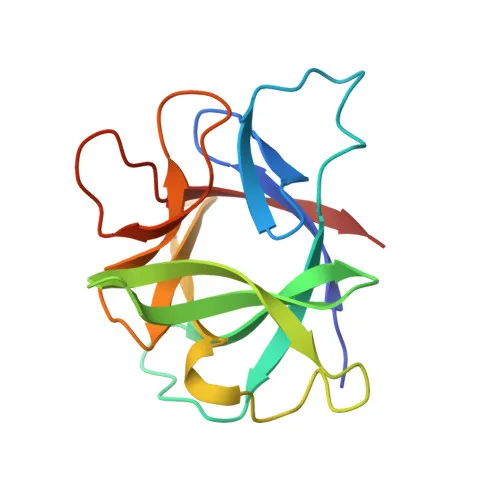
Monoclonal Antibodies
Anti-IL1β Rabbit Monoclonal Antibody for WB, ELISA - P10749
Item Number : CM0004447
Price varies based on specs and customizations
- Application
- WB, ELISA
- Cross Reactivity
- Mouse
- Protein Weight
- 31kDa

Shipping:
Contact us to get shipping details Enjoy On-time Dispatch Guarantee.
Why Choose Us
Easy ordering process, quality products, and dedicated support for your business success.
Core Product Specifications and Parameters
| Parameter | Value |
|---|---|
| Product Name | IL1β Rabbit mAb |
| Remarks/Alias | Il-1b; IL-1beta; IL1β |
| Species | Mouse |
| GeneID (Human) | 3553 |
| GeneID | 16176 |
| Immunogen | Recombinant protein|Recombinant fusion protein containing a sequence corresponding to amino acids 100-269 of mouse IL1β (P10749). |
| Source | Rabbit |
| Category | Monoclonal Antibodies |
| Application | WB, ELISA |
| Cross Reactivity | Mouse |
| SWISS | P10749 |
| Protein Weight | 31kDa |
| Shipping | Ice bag |
Biological Background: IL1β Function and Localization
- IL1β, also known as interleukin-1 beta, is a potent pro-inflammatory cytokine belonging to the IL-1 family. It is initially produced as an inactive precursor that requires proteolytic cleavage for activation.
- The mature IL1β is released into the extracellular milieu through gasdermin-D (GSDMD) pores, a process linked to pyroptotic cell death, thereby mediating inflammation downstream of inflammasome activation.
- IL1β has broad immunomodulatory functions, including induction of fever (endogenous pyrogen), promotion of T-cell activation, Th17 differentiation, and B-cell antibody production.
- It synergizes with other cytokines such as IL12 to stimulate interferon-gamma (IFNG) production from Th1 cells, and with TNF and IL6 to promote angiogenesis through VEGF induction.
- Subcellularly, IL1β is localized to the cytoplasm and cytosol in its inactive form, while the mature cytokine is secreted and can also be found in lysosomes and extracellular exosomes.
- Tissue expression is predominantly in activated immune cells such as macrophages, consistent with its role in innate and adaptive immune responses.
Experimental Guidance and Technical Tips
- The immunogen for this monoclonal antibody is a recombinant fusion protein corresponding to amino acids 100–269 of mouse IL1β. This region may contain linear epitopes, making it suitable for applications such as Western blotting (WB) under denaturing conditions.
- For WB, consider using whole cell lysates from activated mouse macrophages or other IL1β-expressing cells. Detection of the 31 kDa mature form may require appropriate stimulation to induce processing and secretion.
- In ELISA, the antibody can be tested as a capture or detection reagent. Validate its performance with recombinant mouse IL1β protein and in biological samples such as cell culture supernatants or serum, ensuring appropriate dilution optimization and matrix effect controls.
- Note that cross-reactivity is reported for mouse IL1β; verify reactivity in the intended sample type and consider potential species-specific differences if used in models beyond mouse.
CamelBio: Your One-Stop Sourcing Bridge
CamelBio is your one-stop sourcing partner for IVD raw materials, offering validated antibodies, optimized reagents, and supply solutions for diagnostic development and research. This anti-IL1β monoclonal antibody addresses the needs of inflammation and cytokine research, complementing CamelBio’s extensive portfolio of antibody pairs, bulk ancillary reagents, and rare target sourcing services. Partner with us to streamline your raw material procurement from concept to clinic.
REQUEST A QUOTE
Our professional team will reply to you within one business day. Please feel free to contact us!
Related Articles
From Molecular Binding to Manufacturing Discipline: How Reliable ELISA Kits Are Engineered
Explore the four operational mechanisms that govern ELISA kit performance, from passive coating and washing to signal generation and scalable IVD manufacturing.
Engineering the Weakest Link: Recombinant Antibodies for Reliable Multi-Analyte Biosensors
Learn how engineered recombinant antibodies improve multi-analyte biosensors through uniform recognition, oriented surfaces, avidity, and wider dynamic range.
Competitive ELISA vs. GC/MS: Building a Faster, Defensible Strategy for Trace Detection
Learn how competitive ELISA compares with GC/MS for trace detection and how to validate immunoassay kits for reliable laboratory screening.
From Hapten to Reliable Result: Engineering Small-Molecule Immunoassays for Diagnostic Use
Discover how hapten chemistry, antibody selection, competitive formats, and validation determine small-molecule immunoassay performance.
Multiplex Micro-Array Immunoassays: The Antibody Bottleneck Behind Faster, Smarter Diagnostics
Explore how multiplex micro-array immunoassays increase speed and data density, and why antibody specificity, conjugates, and consistency limit scale.