Polyclonal Antibodies
Anti-EED Rabbit Polyclonal Antibody for WB, IF/ICC, ELISA - O75530
Item Number : CM0014414
Price varies based on specs and customizations
- Application
- WB, IF/ICC, ELISA
- Cross Reactivity
- Human, Mouse, Rat
- Protein Weight
- 50kDa

Shipping:
Contact us to get shipping details Enjoy On-time Dispatch Guarantee.
Why Choose Us
Easy ordering process, quality products, and dedicated support for your business success.
Core Product Specifications and Parameters
| Parameter | Value |
|---|---|
| Product Name | EED Rabbit pAb |
| Remarks/Alias | HEED; COGIS; WAIT1; EED |
| Species | Human |
| GeneID (Human) | 8726 |
| Immunogen | Synthetic peptide within amino acids 1-100 of human EED (NP_003788.2) |
| Source | Rabbit |
| Category | Polyclonal Antibodies |
| Application | WB, IF/ICC, ELISA |
| Cross Reactivity | Human, Mouse, Rat |
| SWISS | O75530 |
| Protein Weight | 50kDa |
| Shipping | Ice bag |
Biological Background: EED Function and Localization
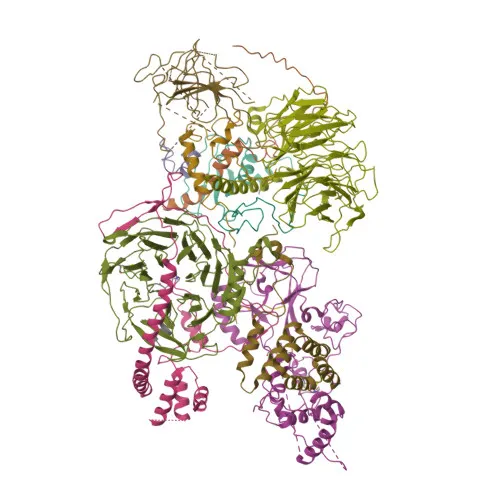
- EED (Embryonic Ectoderm Development protein) is also known as HEED, COGIS, WAIT-1, and is a Polycomb group protein.
- It is a core component of the PRC2/EED-EZH2 complex, which methylates histone H3 at lysine 9 and lysine 27, leading to transcriptional repression of target genes.
- EED recognizes trimethylated histone H1 at lysine 26 (H1K26me3), which inhibits PRC2 methyltransferase activity on H3K27, while recognition of H3K27me3 promotes propagation of this repressive mark.
- The PRC2 complex may serve as a recruiting platform for DNA methyltransferases, linking histone methylation and DNA methylation for epigenetic silencing.
- Known target genes repressed by PRC2 include HOXC8, HOXA9, MYT1, and CDKN2A.
- EED localizes to the nucleus and is associated with chromosomes; it contains WD repeats and undergoes post-translational modifications including acetylation, methylation, and phosphorylation.
- It is broadly expressed in tissues such as brain, colon, heart, kidney, liver, lung, muscle, ovary, leukocytes, pancreas, placenta, prostate, spleen, small intestine, testis, thymus, and uterus.
- EED appears overexpressed in breast and colon cancer, suggesting a role in tumorigenesis.
Experimental Guidance and Technical Tips
- The immunogen is a synthetic peptide from the N-terminal region (amino acids 1-100) of human EED. Because alternative initiation and splicing isoforms exist, consider verifying the target isoform in your experimental system.
- For Western blot, a band around 50 kDa is predicted; validate using appropriate positive controls (e.g., nuclear extracts from HeLa or HEK293 cells).
- In immunofluorescence/ICC, expect nuclear and chromosomal staining. Permeabilization and fixation conditions may need optimization.
- The antibody cross-reacts with human, mouse, and rat; cross-reactivity with other species should be tested if needed.
- For ELISA, use the immunogen peptide as a positive control to assess binding specificity.
CamelBio: Your One-Stop Sourcing Bridge
CamelBio provides diagnostic manufacturers, labs, and research institutes with one-stop access to IVD raw materials, technical services, and consulting—covering every stage from concept to clinic. This Anti-EED Rabbit Polyclonal Antibody supports research into epigenetic regulation and cancer. Beyond individual antibodies, we supply validated antibody pairs, optimized monoclonal and polyclonal antibodies, bulk ancillary reagents, and can assist with sourcing rare-target raw materials to accelerate your assay development.
REQUEST A QUOTE
Our professional team will reply to you within one business day. Please feel free to contact us!