Polyclonal Antibodies
Anti-DARS Rabbit Polyclonal Antibody for WB, IHC-P, IP, ELISA - P14868
Item Number : CM0029330
Price varies based on specs and customizations
- Application
- WB, IHC-P, IP, ELISA
- Cross Reactivity
- Human, Mouse, Rat
- Protein Weight
- 57kDa

Shipping:
Contact us to get shipping details Enjoy On-time Dispatch Guarantee.
Why Choose Us
Easy ordering process, quality products, and dedicated support for your business success.
Core Product Specifications and Parameters
| Parameter | Value |
|---|---|
| Product Name | DARS Rabbit pAb |
| Remarks/Alias | DARS; HBSL; aspRS |
| Species | Human |
| Gene ID (Human) | 1615 |
| Gene ID | 1615 |
| Immunogen | Recombinant fusion protein containing a sequence corresponding to amino acids 222-501 of human DARS (NP_001340.2) |
| Source | Rabbit |
| Category | Polyclonal Antibodies |
| Application | WB, IHC-P, IP, ELISA |
| Cross Reactivity | Human, Mouse, Rat |
| SWISS | P14868 |
| Protein Weight | 57kDa |
| Shipping | Ice bag |
Biological Background: DARS Function and Localization
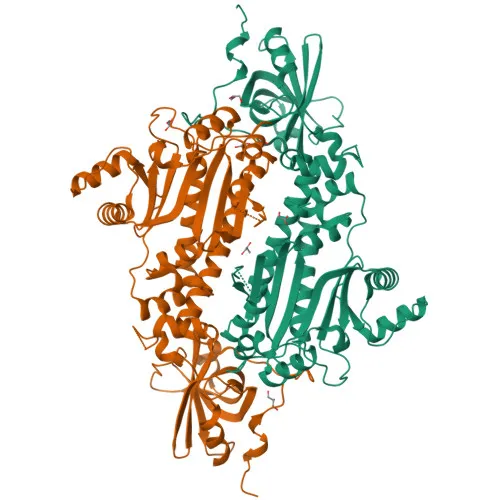
- DARS, also known as aspartyl-tRNA synthetase (AspRS) and cell proliferation-inducing gene 40 protein, is encoded by the DARS1 gene in humans. It belongs to the class-II aminoacyl-tRNA synthetase family, which plays a fundamental role in protein translation.
- The enzyme catalyzes the specific attachment of aspartate to its cognate tRNA in a two-step reaction: aspartate is first activated by ATP to form aspartyl-AMP, and then transferred to the tRNA acceptor end, a critical step for accurate cytoplasmic protein synthesis.
- Predominantly located in the cytosol, DARS is essential for supplying aspartyl-tRNA for ribosomal translation, directly impacting cellular proteome maintenance and growth.
- Tissue-specific expression analysis shows high levels in the developing and adult brain, particularly in ventricular/subventricular zones, hippocampal subfields, and the cerebral cortex, with preferential neuronal expression. Peripheral neurons in the colon also express DARS.
- Proteomic studies have identified acetylation and phosphorylation of DARS, post-translational modifications that may modulate its enzymatic activity, subcellular distribution, or protein–protein interactions.
- Pathogenic mutations in DARS are associated with leukoencephalopathy with brainstem and spinal cord involvement and lactate elevation (HBSL), a severe neurological disorder, underscoring the enzyme's critical role in the central nervous system.
Experimental Guidance and Technical Tips
- The immunogen sequence (aa 222–501) resides within a conserved catalytic domain of DARS; this region shares high identity among human, mouse, and rat, supporting the observed cross-reactivity.
- For Western blotting, the predicted molecular weight is ~57 kDa. It is advisable to validate the antibody using positive controls such as HeLa, HEK293, or mouse/rat brain lysates, and to consider both reducing and non-reducing conditions.
- In immunohistochemistry (IHC-P), optimal antigen retrieval and antibody dilution should be determined empirically. DARS is highly expressed in brain tissues; thus, human or rodent brain sections are recommended for initial validation.
- When performing immunoprecipitation, the polyclonal nature of the antibody may improve capture of native DARS complexes. Include appropriate isotype controls and pre-clearing steps to reduce background.
- For ELISA applications, the antibody can be employed as either a capture or detection reagent. Titration and cross-reactivity assays against closely related synthetases are recommended to ensure specificity.
- Knockdown or knockout models can serve as negative controls to confirm antibody specificity, especially in quantitative applications where precise quantification is necessary.
CamelBio: Your One-Stop Sourcing Bridge
CamelBio is a dedicated IVD raw-material partner, offering diagnostic manufacturers and research labs seamless access to a comprehensive portfolio of antibodies, antigens, and ancillary reagents. For proteins like DARS, which are pivotal in neurological research and protein biosynthesis pathways, we provide validated polyclonal and monoclonal antibodies, optimized antibody pairs, and bulk reagent supply. Whether you require rare-target raw materials, technical consultation, or assay development support, CamelBio accelerates your journey from concept to clinical application with a reliable, one-stop sourcing experience.
REQUEST A QUOTE
Our professional team will reply to you within one business day. Please feel free to contact us!