Monoclonal Antibodies
Anti-BDNF Monoclonal Antibody (Mouse) for WB, ELISA - P23560
Item Number : CM0003884
Price varies based on specs and customizations
- Application
- WB, ELISA
- Cross Reactivity
- Mouse, Rat
- Protein Weight
- 28kDa

Shipping:
Contact us to get shipping details Enjoy On-time Dispatch Guarantee.
Why Choose Us
Easy ordering process, quality products, and dedicated support for your business success.
Core Product Specifications and Parameters
| Parameter | Value |
|---|---|
| Product Name | BDNF Mouse mAb |
| Remarks/Alias | ANON2; BULN2; BDNF |
| Species | Human |
| GeneID (Human) | 627 |
| GeneID | 627 |
| Immunogen | Recombinant fusion protein containing a sequence corresponding to amino acids 20-247 of human BDNF (P23560) |
| Source | Mouse |
| Category | Monoclonal Antibodies |
| Application | WB, ELISA |
| Cross Reactivity | Mouse, Rat |
| SWISS | P23560 |
| Protein Weight | 28kDa |
| Shipping | Ice bag |
Biological Background: BDNF Function and Localization
- BDNF (Brain-derived neurotrophic factor), also known as abrineurin, is a secreted neurotrophic factor of the nerve growth factor family, encoded by the BDNF gene on human chromosome 11.
- BDNF is initially synthesized as a precursor (proBDNF) that is cleaved to yield the mature 14 kDa protein; the immunogen spans the pro-region and mature domain (aa 20–247).
- BDNF plays a critical role in neuronal survival, differentiation, axonal and dendritic growth, and synaptic plasticity by activating the NTRK2 receptor, with a key signaling role in long-term potentiation (LTP) and depression (LTD) (PubMed:11152678). Related references: PMID:11152678
- BDNF also engages the heterodimeric receptor formed by NGFR and SORCS2, triggering signaling cascades that influence synaptic plasticity, LTD, and neuronal apoptosis, as well as promoting growth cone collapse (PubMed:24908487, PubMed:29909994). Related references: PMID:24908487 PMID:29909994
- Predominantly localized to the secretory pathway, BDNF is highly expressed in the hippocampus, amygdala, cerebral cortex, and cerebellum, with detectable levels in blood plasma and saliva.
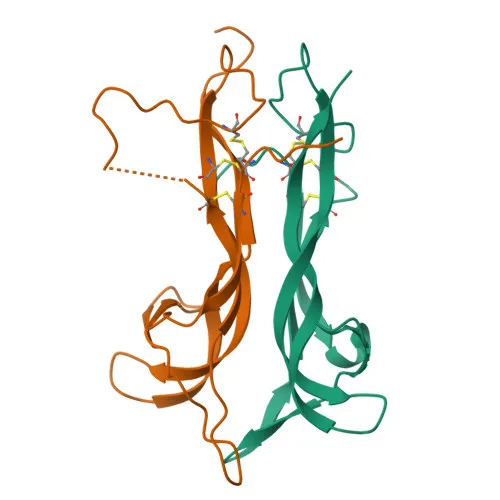
- Structural features include a signal peptide, a disulfide-bonded knot motif typical of growth factors, and multiple N-glycosylation sites.
Experimental Guidance and Technical Tips
- When performing Western blot, expect bands around 28 kDa (proBDNF) and potentially 14 kDa (mature BDNF) depending on sample processing; validate with recombinant protein controls.
- For ELISA, titrate the antibody against recombinant human BDNF (aa 20–247) to optimize detecting both pro- and mature forms; consider testing cross-reactivity with mouse and rat orthologs.
- This monoclonal antibody is raised against an immunogen spanning the pro-region, so it should recognize proBDNF robustly; detection of mature BDNF may require optimized conditions.
- Validate antibody specificity in your target tissue or cell line, as BDNF expression varies; use knockdown or knockout controls where possible.
CamelBio: Your One-Stop Sourcing Bridge
CamelBio provides diagnostic manufacturers, laboratories, and research institutes with one-stop access to IVD raw materials, technical services, and consulting—covering every stage from concept to clinic. For BDNF-related neuroscience and biomarker studies, we offer validated monoclonal and polyclonal antibodies, optimized ELISA antibody pairs, bulk ancillary reagents, and rare target raw-material sourcing. Partner with us to accelerate your BDNF assay development with reliable supply and expert support.
REQUEST A QUOTE
Our professional team will reply to you within one business day. Please feel free to contact us!
Related Articles
From Molecular Recognition to Reliable Results: Engineering Biosensors for Rapid Safety Testing
How antibodies and enzymes turn invisible molecular events into reliable biosensor signals, and how material quality determines test performance.
Engineering the Weakest Link: Recombinant Antibodies for Reliable Multi-Analyte Biosensors
Learn how engineered recombinant antibodies improve multi-analyte biosensors through uniform recognition, oriented surfaces, avidity, and wider dynamic range.