Polyclonal Antibodies
Anti-AMT Polyclonal Antibody for WB, IF/ICC, ELISA - P48728
Item Number : CM0030822
Price varies based on specs and customizations
- Application
- WB, IF/ICC, ELISA
- Cross Reactivity
- Human, Mouse, Rat
- Protein Weight
- 44kDa

Shipping:
Contact us to get shipping details Enjoy On-time Dispatch Guarantee.
Why Choose Us
Easy ordering process, quality products, and dedicated support for your business success.
Core Product Specifications and Parameters
| Parameter | Value |
|---|---|
| Product Name | AMT Rabbit pAb |
| Remarks/Alias | GCE; NKH; GCST; GCVT; AMT |
| Species | Human |
| Gene ID (Human) | 275 |
| Gene ID | 275 |
| Immunogen | Recombinant fusion protein containing a sequence corresponding to amino acids 107-386 of human AMT (NP_001158184.1) |
| Source | Rabbit |
| Category | Polyclonal Antibodies |
| Application | WB, IF/ICC, ELISA |
| Cross Reactivity | Human, Mouse, Rat |
| SWISS | P48728 |
| Protein Weight | 44kDa |
| Shipping | Ice bag |
Biological Background: AMT Function and Localization
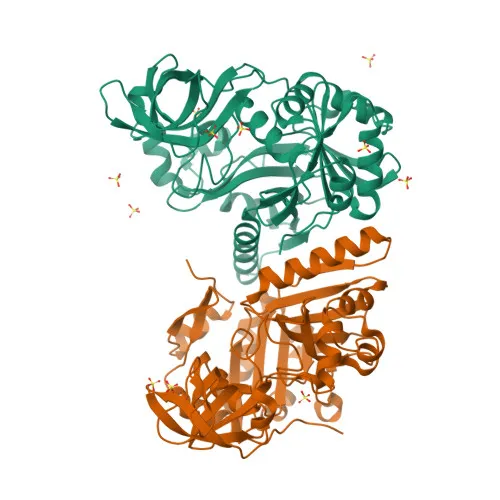
- AMT encodes aminomethyltransferase, the T-protein of the mitochondrial glycine cleavage system (GCS), also referred to as glycine decarboxylase complex.
- The GCS catalyzes the oxidative decarboxylation of glycine into carbon dioxide, ammonia, and a one‑carbon unit, linking glycine catabolism to folate‑mediated one‑carbon metabolism and nucleotide biosynthesis.
- AMT is a pyridoxal phosphate (PLP)-dependent enzyme that transfers the methylamine moiety from the H-protein intermediate to tetrahydrofolate, forming 5,10‑methylenetetrahydrofolate and ammonia.
- Localized to the mitochondrial matrix, AMT supports the primary glycine degradation pathway and supplies one‑carbon units for cytosolic processes.
- Alternative splicing yields multiple transcript variants; pathogenic variants in AMT are associated with nonketotic hyperglycinemia (glycine encephalopathy), a severe autosomal recessive neurometabolic disorder.
- The protein features a mitochondrial transit peptide and is annotated with keywords including aminotransferase, disease variant, and reference proteome.
Experimental Guidance and Technical Tips
- The immunogen region (residues 107–386) lies within the mature protein, potentially allowing detection of multiple isoforms; validate band patterns using mitochondrial‑enriched or whole‑cell lysates from liver or kidney, where AMT is abundantly expressed.
- For western blotting, optimize the primary antibody dilution based on target abundance and detection sensitivity in your sample system; include a known positive control (e.g., human HepG2 or mouse liver mitochondria).
- In immunofluorescence, consider co‑staining with a mitochondrial marker (e.g., Tom20 or MitoTracker) to confirm the expected mitochondrial localization.
- ELISA applications may benefit from using recombinant AMT as a standard to establish a robust quantitative assay; verify linearity and recovery in the relevant biological matrix.
CamelBio: Your One‑Stop Sourcing Bridge
CamelBio accelerates IVD development with a full suite of raw materials, from validated antibody pairs and optimized polyclonal/monoclonal antibodies to bulk ancillary reagents and rare‑target sourcing. For glycine metabolism and mitochondrial disorder research, our supply solutions cover anti‑AMT antibodies and complementary reagents, ensuring your project moves smoothly from concept to clinic.
REQUEST A QUOTE
Our professional team will reply to you within one business day. Please feel free to contact us!