Polyclonal Antibodies
VLDLR Rabbit pAb for WB, ELISA - P98155
Item Number : CM0030111
Price varies based on specs and customizations
- Application
- WB, ELISA
- Cross Reactivity
- Human, Mouse
- Protein Weight
- 96kDa

Shipping:
Contact us to get shipping details Enjoy On-time Dispatch Guarantee.
Why Choose Us
Easy ordering process, quality products, and dedicated support for your business success.
Core Product Specifications and Parameters
| Parameter | Value |
|---|---|
| Product Name | VLDLR Rabbit pAb |
| Remarks/Alias | CAMRQ1; CARMQ1; CHRMQ1; VLDL-R; VLDLRCH; VLDLR |
| Species | Human |
| GeneID (Human) | 7436 |
| GeneID | 7436 |
| Immunogen | Recombinant protein corresponding to a sequence containing amino acids 833-869 of human VLDLR (NP_003374.3) |
| Source | Rabbit |
| Category | Polyclonal Antibodies |
| Application | WB, ELISA |
| Cross Reactivity | Human, Mouse |
| SWISS | P98155 |
| Protein Weight | 96kDa |
| Shipping | Ice bag |
Biological Background: VLDLR Function and Localization
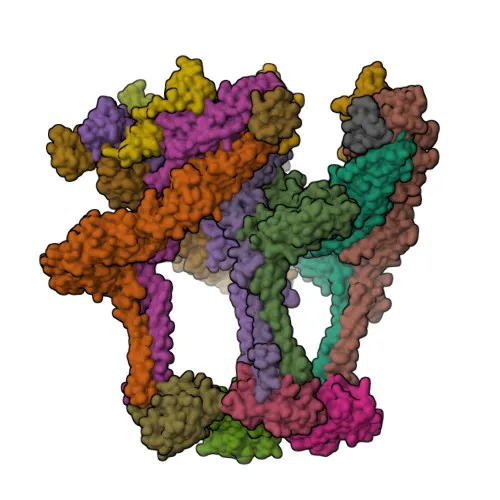
- VLDLR is a multifunctional cell surface receptor that binds very low-density lipoprotein (VLDL) and mediates its endocytosis, playing a key role in energy metabolism. It also interacts with Reelin/RELN, apolipoprotein E/APOE-containing ligands, and clusterin/CLU. Upon ligand binding, VLDLR forms higher-order receptor clusters, leading to DAB1 phosphorylation and downstream signaling crucial for neuronal migration and positioning (PubMed:24381170, PubMed:30873003). Related references: PMID:24381170 PMID:30873003
- Acts as a cellular receptor for Semliki Forest virus and yellow fever virus, facilitating microbial infection.
- Localized to the cell membrane and clathrin-coated pits, consistent with its role in endocytosis and signal transduction.
- Tissue expression is abundant in heart, skeletal muscle, ovary, and kidney, but absent from liver (based on UniProt annotation).
- Contains EGF-like domains and LDL-receptor class A repeats; post-translational modifications include glycosylation, disulfide bonds, and ubiquitination-like modifications.
- Alternative splicing generates multiple isoforms, possibly contributing to tissue-specific functions.
- Molecular weight of approximately 96 kDa; involved in lipid and cholesterol metabolism, sterol metabolism, and lipoprotein transport.
- Associated with intellectual disability (CAMRQ1) and other neurological disorders when mutated.
Experimental Guidance and Technical Tips
- The immunogen (amino acids 833–869) targets a C-terminal region of VLDLR; endogenous VLDLR may be detected in suitable sample systems.
- For Western blotting, the predicted molecular weight is 96 kDa; using reducing and denaturing conditions is recommended. Validate band specificity with positive controls (e.g., heart or skeletal muscle lysates) and negative controls where VLDLR is not expressed (e.g., liver).
- Since this rabbit polyclonal antibody cross-reacts with human and mouse, consider species-matched secondary antibodies and appropriate sample preparation protocols.
- ELISA applications may involve indirect or capture formats; optimize coating conditions and antibody dilutions empirically.
CamelBio: Your One-Stop Sourcing Bridge
CamelBio provides diagnostic manufacturers and research labs with a comprehensive range of IVD raw materials, including validated polyclonal antibodies like this anti-VLDLR antibody, ready for use in Western blot and ELISA. Beyond single reagents, we offer optimized antibody pairs, bulk ancillary reagents, and sourcing services for rare targets—streamlining your workflow from concept to clinical development. Let CamelBio be your reliable partner in securing high-quality raw materials for lipid metabolism and neurological disease research.
REQUEST A QUOTE
Our professional team will reply to you within one business day. Please feel free to contact us!