Polyclonal Antibodies
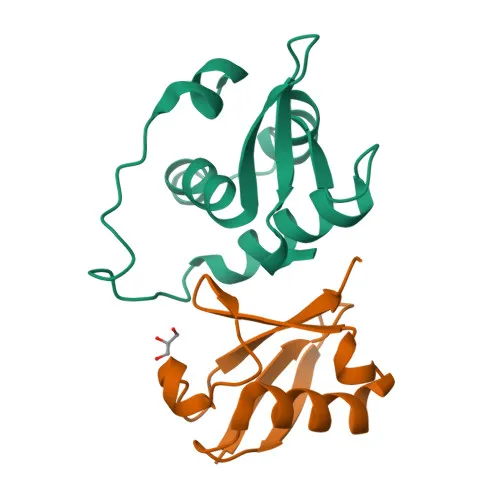
Ubiquitin Rabbit pAb - P0CG47
Item Number : CM0015192
Price varies based on specs and customizations
- Application
- WB, IHC-P, ELISA
- Cross Reactivity
- Human, Mouse, Rat
- Protein Weight
- 26kDa

Shipping:
Contact us to get shipping details Enjoy On-time Dispatch Guarantee.
Why Choose Us
Easy ordering process, quality products, and dedicated support for your business success.
Core Product Specifications and Parameters
| Parameter | Value |
|---|---|
| Product Name | Ubiquitin Rabbit pAb |
| Remarks/Alias | HEL-S-50; Ubiquitin |
| Species | Human |
| GeneID (human) | 7314 |
| GeneID | 7314 |
| Immunogen | Recombinant fusion protein containing a sequence corresponding to amino acids 1-228 of human Ubiquitin (NP_061828.1) |
| Source | Rabbit |
| Category | Polyclonal Antibodies |
| Application | WB, IHC-P, ELISA |
| Cross Reactivity | Human, Mouse, Rat |
| SWISS | P0CG47 |
| Protein Weight | 26kDa |
| Shipping | Ice bag |
Biological Background: Ubiquitin Function and Localization
- Encoded by the UBB gene, polyubiquitin-B is processed into multiple ubiquitin monomers that can be conjugated to target proteins.
- Covalent attachment of ubiquitin (monoubiquitination) or polyubiquitin chains to proteins regulates diverse cellular processes. Polyubiquitin chain linkage types determine functional outcomes: Lys-48-linked chains target substrates for proteasomal degradation; Lys-63-linked chains are involved in endocytosis, DNA damage responses, and NF-kappa-B signaling; linear chains participate in cell signaling.
- Ubiquitin conjugation can also occur through other linkages (Lys-6, Lys-11, Lys-29, Lys-33) with roles in DNA repair, ER-associated degradation, stress responses, and kinase modification.
- Free (unanchored) polyubiquitin chains function independently in kinase activation and intracellular signaling.
- The protein localizes to the cytoplasm, nucleus, and mitochondrion outer membrane.
- Post-translational modifications include phosphorylation and ADP-ribosylation, and it forms isopeptide bonds with target proteins.
Experimental Guidance and Technical Tips
- The immunogen corresponds to full-length ubiquitin (1-228), so the antibody may recognize both free ubiquitin and ubiquitin conjugates. In western blot, free ubiquitin is detected at ~26kDa, while polyubiquitinated proteins appear as high-molecular weight smears.
- For WB, consider treating cells with a proteasome inhibitor (e.g., MG132) to accumulate polyubiquitinated species if analyzing degradation.
- Validate specificity with appropriate negative controls, such as siRNA-mediated knockdown of ubiquitin.
- For IHC-P, antigen retrieval may be required; optimize antibody dilution and detection conditions using known positive tissues.
- ELISA applications may benefit from testing both direct and sandwich formats depending on the sample type.
CamelBio: Your One-Stop Sourcing Bridge
CamelBio provides researchers and diagnostic manufacturers with reliable access to IVD raw materials like this anti-ubiquitin polyclonal antibody, supporting studies in protein degradation, cell signaling, and DNA repair. Our supply capabilities include validated antibody pairs, optimized monoclonal and polyclonal antibodies, bulk ancillary reagents, and custom sourcing for rare targets. Let us help streamline your procurement from discovery to clinical application.
REQUEST A QUOTE
Our professional team will reply to you within one business day. Please feel free to contact us!