Polyclonal Antibodies
UBE2K Rabbit Polyclonal Antibody for WB, ELISA - P61086
Item Number : CM0013829
Price varies based on specs and customizations
- Application
- WB, ELISA
- Cross Reactivity
- Human
- Protein Weight
- 22kDa

Shipping:
Contact us to get shipping details Enjoy On-time Dispatch Guarantee.
Why Choose Us
Easy ordering process, quality products, and dedicated support for your business success.
Core Product Specifications and Parameters
| Parameter | Value |
|---|---|
| Product Name | UBE2K Rabbit pAb |
| Remarks/Alias | LIG; HIP2; HYPG; UBC1; E2-25K; UBE2K |
| Species | Human |
| Gene ID (Human) | 3093 |
| Gene ID | 3093 |
| Immunogen | Synthetic peptide|A synthetic peptide corresponding to a sequence within amino acids 1-100 of human UBE2K (NP_005330.1). |
| Source | Rabbit |
| Category | Polyclonal Antibodies |
| Application | WB, ELISA |
| Cross Reactivity | Human |
| SWISS | P61086 |
| Protein Weight | 22kDa |
| Shipping | Ice bag |
Biological Background: UBE2K Function and Localization
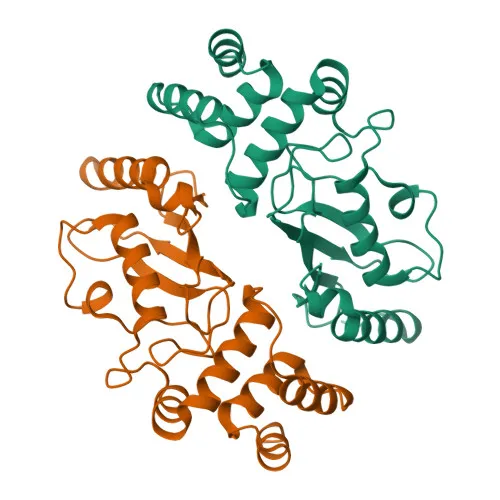
- UBE2K (Ubiquitin-conjugating enzyme E2 K, also known as HIP2, E2-25K) is an E2 enzyme that accepts ubiquitin from the E1 complex and catalyzes its covalent attachment to substrate proteins, playing a central role in the ubiquitin-proteasome system.
- It catalyzes the synthesis of Lys-48-linked polyubiquitin chains, which typically target proteins for proteasomal degradation. This enzyme mediates the selective degradation of short-lived and abnormal proteins, including those involved in endoplasmic reticulum-associated degradation (ERAD).
- UBE2K ubiquitinates huntingtin, the protein implicated in Huntington's disease, and contributes to foam cell formation by promoting p53 degradation, thereby suppressing apoptosis in lipid-laden macrophages.
- In viral infections, UBE2K is hijacked for MHC class I heavy chain degradation and HPV E7-dependent degradation of RB1, highlighting its role in immune evasion and oncogenic transformation.
- The protein is localized primarily in the cytoplasm, consistent with its role in cytosolic ubiquitination events.
- UBE2K undergoes post-translational modifications including acetylation and phosphorylation, which may regulate its activity; alternative splicing generates additional isoforms.
- It is ubiquitously expressed in human tissues, with high expression in the brain, particularly in the cortex and striatum, regions affected in neurodegenerative disorders.
Experimental Guidance and Technical Tips
- The immunogen corresponds to a synthetic peptide spanning amino acids 1-100 of human UBE2K, targeting the N-terminal region. Expect reactivity against the full-length protein (22 kDa) in Western blot.
- For Western blot, titrate the antibody between 1:500 and 1:2000 dilution and optimize based on your sample and detection system. Use appropriate positive (e.g., HeLa cell lysate) and negative controls.
- This antibody is validated for ELISA; for indirect ELISA, determine optimal coating antigen concentration and antibody dilution empirically.
- As cross-reactivity is only confirmed for human UBE2K, validate the antibody in other species if needed, as sequence homology may allow cross-reactivity.
- Polyclonal antibodies may exhibit lot-to-lot variability; include internal reference standards for reproducibility.
CamelBio: Your One-Stop Sourcing Bridge
As your one-stop IVD raw material partner, CamelBio provides reliable access to high-quality antibodies and ancillary reagents for ubiquitin-proteasome research and neurodegenerative disease studies. This UBE2K polyclonal antibody is part of our growing portfolio of validated antibody pairs, optimized monoclonals, and polyclonals, complemented by bulk reagent supply and rare target sourcing. Let CamelBio streamline your development workflow from concept to clinical application.
REQUEST A QUOTE
Our professional team will reply to you within one business day. Please feel free to contact us!