Monoclonal Antibodies
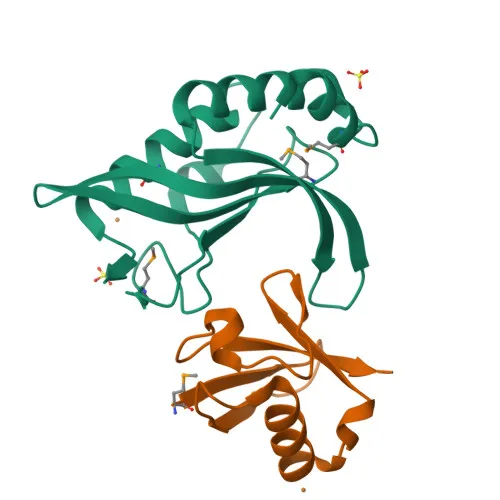
TSG101/VPS23 Rabbit mAb for WB, ELISA - Q99816
Item Number : CM0010778
Price varies based on specs and customizations
- Application
- WB, ELISA
- Cross Reactivity
- Human, Mouse, Rat
- Protein Weight
- 44kDa

Shipping:
Contact us to get shipping details Enjoy On-time Dispatch Guarantee.
Why Choose Us
Easy ordering process, quality products, and dedicated support for your business success.
Core Product Specifications and Parameters
| Parameter | Value |
|---|---|
| Product Name | TSG101/VPS23 Rabbit mAb |
| Remarks/Alias | TSG10; VPS23 |
| Species | Human |
| GeneID (Human) | 7251 |
| GeneID | 7251 |
| Immunogen | Synthetic Peptide |
| Source | Rabbit |
| Category | Monoclonal Antibodies |
| Application | WB, ELISA |
| Cross Reactivity | Human, Mouse, Rat |
| SWISS | Q99816 |
| Protein Weight | 44kDa |
| Shipping | Ice bag |
Biological Background: TSG101 Function and Localization
- TSG101 (Tumor susceptibility gene 101), also known as VPS23, is a core component of the ESCRT-I complex, essential for regulating vesicular trafficking.
- It binds ubiquitinated cargo proteins, facilitating their sorting into multivesicular bodies (MVBs) by bridging the ESCRT-0 and ESCRT-I complexes.
- TSG101 is required for cytokinesis completion through interaction with CEP55 and localizes to the midbody during cell division.
- It acts as a negative growth regulator and may influence cell growth and differentiation.
- TSG101 participates in the budding of numerous viruses by recognizing viral late‑budding motifs (P-[ST]-A-P), crucial for retrovirus release.
- It facilitates the exosomal release of SDCBP, CD63, and syndecan (PubMed:22660413) and may also play a role in the extracellular release of non‑exosomal microvesicles (PubMed:22315426). Related references: PMID:22660413 PMID:22315426
- Subcellularly, TSG101 is found in the cytoplasm, early and late endosome membranes, centrosome, midbody ring, and nucleus, reflecting its multifunctional trafficking roles.
- It is widely expressed across tissues, including heart, brain, placenta, lung, liver, skeletal muscle, kidney, and pancreas.
- Post‑translational modifications include acetylation, phosphorylation, and ubiquitin conjugation, which may regulate its trafficking functions.
Experimental Guidance and Technical Tips
- The antibody was raised against a synthetic peptide; for optimal results, validate in relevant sample systems such as whole‑cell lysates for WB or purified proteins/peptides for ELISA.
- Given broad tissue expression, suitable positive controls include HeLa, HEK293, or mouse brain lysates, while negative controls should omit the primary antibody.
- For ELISA, consider using recombinant TSG101 protein or the immunizing peptide as the coating antigen, and titrate the antibody to determine the optimal working concentration.
- When used in WB, a band near 44 kDa is expected; ensure proper loading controls and molecular weight markers are included.
CamelBio: Your One-Stop Sourcing Bridge
CamelBio equips diagnostic manufacturers and research laboratories with a complete portfolio of IVD raw materials. For TSG101‑related studies and immunoassay development, we supply validated antibody pairs, recombinant proteins, and ancillary reagents. Our sourcing network also supports bulk orders and rare‑target raw material procurement to streamline your workflow from concept to clinic.
REQUEST A QUOTE
Our professional team will reply to you within one business day. Please feel free to contact us!