Polyclonal Antibodies
TGF beta Receptor II Rabbit pAb - P37173
Item Number : CM0017386
Price varies based on specs and customizations
- Application
- WB, IF/ICC, ELISA
- Cross Reactivity
- Human, Mouse, Rat
- Protein Weight
- 65 kDa

Shipping:
Contact us to get shipping details Enjoy On-time Dispatch Guarantee.
Why Choose Us
Easy ordering process, quality products, and dedicated support for your business success.
Core Product Specifications and Parameters
| Parameter | Value |
|---|---|
| Product Name | TGF beta Receptor II Rabbit pAb |
| Remarks/Alias | AAT3; FAA3; LDS2; MFS2; RIIC; LDS1B; LDS2B; TAAD2; TBRII; TBR-ii; TGFR-2; tbetaR-II; TGFbeta-RII; TGF beta Receptor II (TGFBR2) |
| Species | Human |
| GeneID (Human) | 7048 |
| GeneID | 7048 |
| Immunogen | Recombinant fusion protein containing a sequence corresponding to amino acids 23-280 of human TGF beta Receptor II (TGFBR2) (NP_003233.4). |
| Source | Rabbit |
| Category | Polyclonal Antibodies |
| Application | WB, IF/ICC, ELISA |
| Cross Reactivity | Human, Mouse, Rat |
| SWISS | P37173 |
| Protein Weight | 65 kDa |
| Shipping | Ice bag |
Biological Background: TGF-beta Receptor Type-2 Function and Localization
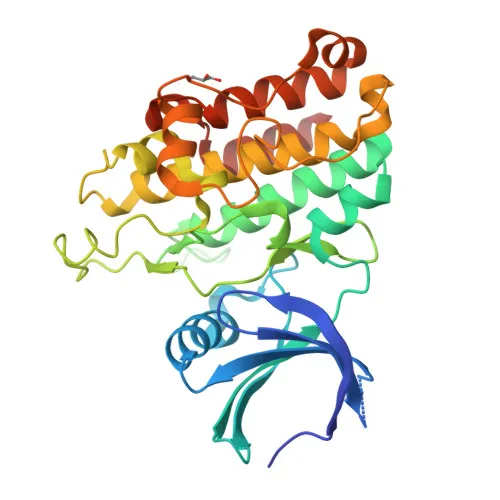
- TGFBR2 encodes a transmembrane serine/threonine kinase that serves as the high-affinity receptor for TGF-beta cytokines TGFB1, TGFB2, and TGFB3. It heterodimerizes with TGFBR1 to form a functional signaling complex.
- Upon ligand binding, the constitutively active TGFBR2 phosphorylates and activates TGFBR1, which then propagates the signal via SMAD2/3 phosphorylation, leading to SMAD4 complex formation and nuclear translocation to regulate gene transcription (canonical SMAD-dependent pathway).
- TGFBR2 also participates in non-canonical, SMAD-independent signaling cascades, influencing diverse cellular outcomes such as proliferation, differentiation, and apoptosis.
- The receptor localizes primarily to the cell membrane and membrane rafts, but can also be found in a secreted form, as indicated by UniProt annotation.
- Post-translational modifications include glycosylation, disulfide bond formation, and phosphorylation, which are critical for receptor maturation, ligand binding, and kinase activity.
- Mutations in TGFBR2 are associated with several diseases, including aortic aneurysm, craniosynostosis, and hereditary nonpolyposis colorectal cancer, highlighting its role in vascular, skeletal, and tumor biology.
Experimental Guidance and Technical Tips
- For Western blot, using reducing conditions, an expected band around 65 kDa (corresponding to the predicted molecular weight of the unprocessed receptor) may be observed; additional bands due to glycosylation or alternative splicing can be present. Validate with appropriate positive (e.g., TGF-beta-treated cells) and negative controls.
- In immunofluorescence/immunocytochemistry, membrane and membrane raft localization should be verified; permeabilization conditions may need optimization to detect intracellular pools or secreted forms.
- For ELISA, this polyclonal antibody can potentially be used as a capture or detection reagent when paired with a suitable monoclonal antibody; however, antibody pair compatibility and assay conditions must be empirically determined.
- The immunogen corresponds to the extracellular domain (aa 23-280), suggesting reactivity with the ligand-binding region; thus, performance may be influenced by ligand occupancy.
CamelBio: Your One-Stop Sourcing Bridge
CamelBio offers a comprehensive one-stop sourcing solution for IVD raw materials, including validated polyclonal and monoclonal antibodies against key signaling targets like TGFBR2. Complementing this TGF beta Receptor II Rabbit pAb, we can supply matched antibody pairs, bulk ancillary reagents, and facilitate rare-target raw material procurement to accelerate your diagnostic assay development in oncology, fibrosis, and immuno-oncology applications.
REQUEST A QUOTE
Our professional team will reply to you within one business day. Please feel free to contact us!