Polyclonal Antibodies
STIP1 Rabbit Polyclonal Antibody for WB, IHC-P, ELISA - P31948
Item Number : CM0017822
Price varies based on specs and customizations
- Application
- WB, IHC-P, ELISA
- Cross Reactivity
- Human, Mouse, Rat
- Protein Weight
- 63kDa

Shipping:
Contact us to get shipping details Enjoy On-time Dispatch Guarantee.
Why Choose Us
Easy ordering process, quality products, and dedicated support for your business success.
Core Product Specifications and Parameters
| Parameter | Value |
|---|---|
| Product Name | STIP1 Rabbit pAb |
| Remarks/Alias | HOP, P60, STI1, STI1L, HEL-S-94n, IEF-SSP-3521, STIP1 |
| Species | Human |
| GeneID (Human) | 10963 |
| GeneID | 10963 |
| Immunogen | Recombinant fusion protein containing a sequence corresponding to amino acids 1-300 of human STIP1 (NP_006810.1) |
| Source | Rabbit |
| Category | Polyclonal Antibodies |
| Application | WB, IHC-P, ELISA |
| Cross Reactivity | Human, Mouse, Rat |
| SWISS | P31948 |
| Protein Weight | 63kDa |
| Shipping | Ice bag |
Biological Background: STIP1 Function and Localization
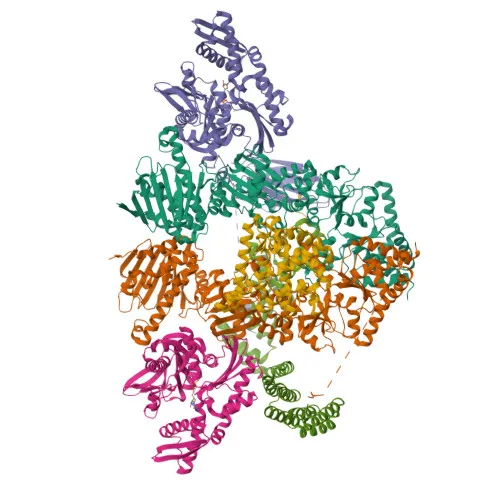
- STIP1 (Stress-induced-phosphoprotein 1), also known as HOP (Hsc70/Hsp90-organizing protein), is a co-chaperone that mediates the interaction between the molecular chaperones HSPA8/HSC70 and HSP90.
- Acts as a co-chaperone for HSP90AA1, facilitating client protein folding and maturation. Related references: PMID:27353360
- Contains TPR (tetratricopeptide repeat) domains that mediate binding to HSP70 and HSP90.
- Subcellular localization includes cytoplasm, nucleus, and dynein axonemal particles, suggesting involvement in intracellular transport and signaling.
- Post-translational modifications include acetylation, phosphorylation, and ubiquitination, regulating its stability and function.
- Alternative splicing generates multiple isoforms, which may have tissue-specific functions.
- Keywords from UniProt: 3D-structure, Acetylation, Alternative splicing, Cytoplasm, Direct protein sequencing, Isopeptide bond, Nucleus, Phosphoprotein, Proteomics identification, Reference proteome, Repeat, TPR repeat, Ubl conjugation.
Experimental Guidance and Technical Tips
- The immunogen corresponds to the N-terminal region (aa 1-300), which includes TPR domains critical for chaperone binding; this region is conserved across human, mouse, and rat, consistent with the observed cross-reactivity.
- For Western blot (WB), the expected band is ~63 kDa; consider using appropriate loading controls and verify in relevant cell lines or tissues expressing STIP1.
- In immunohistochemistry (IHC-P), antigen retrieval methods (e.g., citrate buffer, pH 6.0) may improve signal; validate with known positive and negative controls.
- For ELISA, the antibody can be used for capture or detection; titrate to determine optimal working concentration.
CamelBio: Your One-Stop Sourcing Bridge
CamelBio provides diagnostic manufacturers and researchers with comprehensive access to IVD raw materials, including validated antibody pairs, recombinant antibodies, and ancillary reagents. Our one-stop sourcing platform covers the entire development cycle, from concept to clinic, supporting reliable procurement for targets like STIP1 involved in stress response and chaperone biology. Contact us for bulk or customized sourcing solutions.
REQUEST A QUOTE
Our professional team will reply to you within one business day. Please feel free to contact us!