Monoclonal Antibodies
Smad5 Rabbit Monoclonal Antibody for WB, IP, ELISA - Q99717
Item Number : CM0003703
Price varies based on specs and customizations
- Recommended Applications
- WB, IP, ELISA
- Cross Reactivity
- Human, Mouse
- Protein Weight
- 52kDa

Shipping:
Contact us to get shipping details Enjoy On-time Dispatch Guarantee.
Why Choose Us
Easy ordering process, quality products, and dedicated support for your business success.
Core Product Specifications and Parameters
| Parameter | Value |
|---|---|
| Product Name | Smad5 Rabbit mAb |
| Remarks/Alias | DWFC; JV5-1; MADH5; Smad5 |
| Species | Human |
| GeneID | 4090 |
| Immunogen | Synthetic peptide corresponding to a sequence within amino acids 200-300 of human Smad5 (Q99717). |
| Source | Rabbit |
| Category | Monoclonal Antibodies |
| Application | WB, IP, ELISA |
| Cross Reactivity | Human, Mouse |
| SWISS | Q99717 |
| Protein Weight | 52kDa |
| Shipping | Ice bag |
Biological Background: Smad5 Function and Localization
- SMAD5 (Mothers against decapentaplegic homolog 5), also known as JV5-1 or MADH5, is a member of the SMAD family of transcription factors that transduce signals from TGF‑β superfamily ligands.
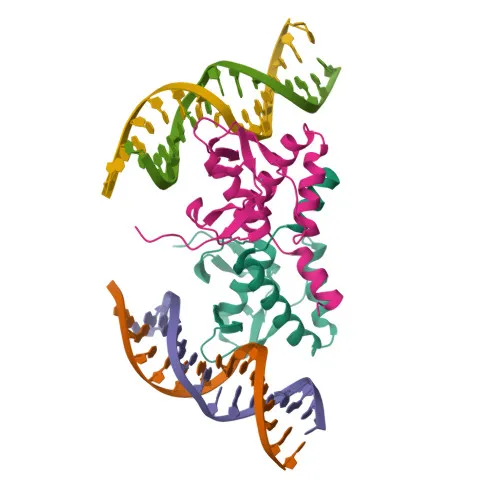
- Upon bone morphogenetic protein (BMP) stimulation, SMAD5 is phosphorylated by type I BMP receptors, prompting its association with SMAD4. The resulting complex translocates to the nucleus and binds Smad Binding Elements (SBEs) to regulate gene expression. Related references: PMID:9442019 PMID:33510867
- SMAD5 is essential for embryonic development, cell differentiation, angiogenesis, and tissue homeostasis. Related references: PMID:12064918 PMID:16516194
- In its non‑phosphorylated state, SMAD5 exerts a cytoplasmic role in energy metabolism by enhancing mitochondrial respiration and glycolysis through an interaction with hexokinase 1 (HK1). Related references: PMID:28675158
- Subcellular localization studies reveal SMAD5 in the cytoplasm, nucleus, and mitochondrion, reflecting its diverse signaling and metabolic functions.
- SMAD5 is ubiquitously expressed across human tissues.
- Post‑translational modifications include phosphorylation and acetylation; it also contains a zinc‑binding domain characteristic of SMAD proteins.
Experimental Guidance and Technical Tips
- The immunogen was a synthetic peptide corresponding to amino acids 200–300 of human SMAD5. The resulting rabbit monoclonal antibody is expected to recognize total SMAD5 protein; it may not distinguish between phosphorylated and unphosphorylated forms unless the phospho‑epitope lies within this region.
- For Western blot, a band at approximately 52 kDa is expected. Consider treating cells with BMP ligands (e.g., BMP2/BMP4) to visualize phosphorylated SMAD5 shifts or to verify pathway activation.
- This antibody is suitable for immunoprecipitation of endogenous SMAD5 from human and mouse lysates; we recommend optimizing lysis and wash conditions for co‑immunoprecipitation studies.
- In ELISA, the antibody can be used for detection of SMAD5 in peptide‑based or sandwich ELISA formats. Validate with recombinant SMAD5 protein or cell lysates.
- As with any antibody, validate specificity in your experimental system using appropriate positive (e.g., BMP‑treated HeLa, HEK293) and negative (e.g., siRNA‑mediated knockdown) controls.
CamelBio: Your One‑Stop Sourcing Bridge
CamelBio is your trusted one‑stop partner for IVD raw‑material sourcing, covering everything from high‑quality antibodies and antigens to technical services and regulatory consulting. This SMAD5 monoclonal antibody is part of our comprehensive portfolio for developmental biology and BMP signaling research. Leverage our supply network for validated antibody pairs, bulk‑grade reagents, and custom raw‑material solutions to accelerate your diagnostic or research programs.
REQUEST A QUOTE
Our professional team will reply to you within one business day. Please feel free to contact us!