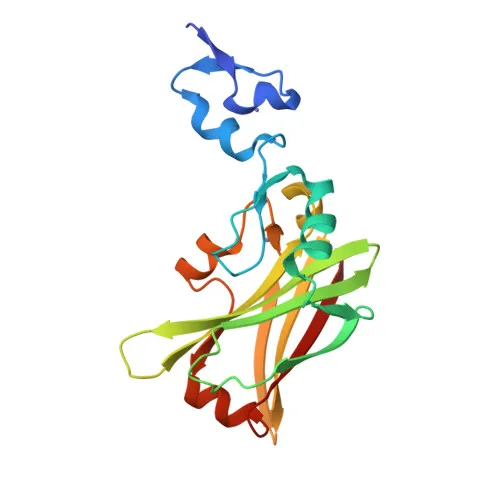
Monoclonal Antibodies
SIAH1 Rabbit mAb - Q8IUQ4
Item Number : CM0004163
Price varies based on specs and customizations
- Application
- WB, IF-P, IHC-P, ELISA
- Cross Reactivity
- Human, Mouse, Rat
- Protein Weight
- 31kDa

Shipping:
Contact us to get shipping details Enjoy On-time Dispatch Guarantee.
Why Choose Us
Easy ordering process, quality products, and dedicated support for your business success.
Core Product Specifications and Parameters
| Parameter | Value |
|---|---|
| Product Name | SIAH1 Rabbit mAb |
| Remarks/Alias | BURHAS; SIAH1A; SIAH1 |
| Species | Human |
| GeneID (Human) | 6477 |
| Immunogen | A synthetic peptide corresponding to a sequence within amino acids 1-100 of human SIAH1 (NP_003022.3) |
| Source | Rabbit |
| Category | Monoclonal Antibodies |
| Application | WB, IF-P, IHC-P, ELISA |
| Cross Reactivity | Human, Mouse, Rat |
| SWISS | Q8IUQ4 |
| Protein Weight | 31kDa |
| Shipping | Ice bag |
Biological Background: SIAH1 Function and Localization
- E3 ubiquitin-protein ligase SIAH1 (also known as Siah-1, Siah-1a, BURHAS) is encoded by the SIAH1 gene and mediates ubiquitination and subsequent proteasomal degradation of target proteins. Related references: PMID:14506261, PMID:14645235, PMID:14654780
- SIAH1 functions as a RING-type E3 ubiquitin transferase, accepting ubiquitin from E2 conjugating enzymes and transferring it to substrates either directly or as part of larger E3 complexes. Related references: PMID:14506261, PMID:14645235, PMID:14654780
- SIAH1 targets a wide range of substrates involved in transcription regulation (ELL2, MYB, PML), cell surface receptors (DCC, FLT3), signal transduction (KLF10, NUMB), and apoptosis (BAG1), linking it to processes such as apoptosis, tumor suppression, and cell cycle control. Related references: PMID:10747903, PMID:11146551, PMID:11389839
- It plays a role in the Wnt signaling pathway by mediating the ubiquitin-mediated proteasomal degradation of AXIN1. Related references: PMID:28546513, PMID:32430360
- SIAH1 confers constitutive instability to HIPK2 through proteasomal degradation, and its activity is implicated in neurodegeneration and synaptic function through degradation of SYP and SNCAIP. Related references: PMID:18536714, PMID:33591310
- Subcellular localization is both cytoplasmic and nuclear; it is widely expressed at low levels but down-regulated in advanced hepatocellular carcinomas.
- The protein contains a zinc-finger domain and is subject to phosphorylation; alternative splicing produces multiple isoforms.
Experimental Guidance and Technical Tips
- The immunogen corresponds to an N-terminal peptide (amino acids 1–100) of human SIAH1; this region may be exposed and accessible for antibody binding, supporting applications such as Western blot (WB) and ELISA.
- For immunofluorescence (IF-P) and immunohistochemistry (IHC-P), consider using appropriate fixation and permeabilization protocols to preserve the cytoplasmic and nuclear localization of SIAH1.
- Given the predicted molecular weight of 31kDa, validate the antibody in relevant sample systems with positive and negative controls to confirm specificity.
- As SIAH1 is part of the ubiquitin-proteasome pathway, treatment with proteasome inhibitors (e.g., MG132) may stabilize SIAH1 and its substrates, potentially enhancing detection signals in certain experimental contexts.
CamelBio: Your One-Stop Sourcing Bridge
CamelBio provides diagnostic manufacturers and research laboratories with one-stop access to premium IVD raw materials, including validated monoclonal antibodies like this anti-SIAH1 clone for ubiquitin-related research. As a B2B sourcing partner, we offer optimized antibody pairs, bulk ancillary reagents, and rare target raw-material sourcing to streamline your assay development from discovery to clinic. Whether advancing cancer biomarker panels or apoptosis assays, our supply chain expertise ensures you secure the critical reagents you need efficiently.
REQUEST A QUOTE
Our professional team will reply to you within one business day. Please feel free to contact us!