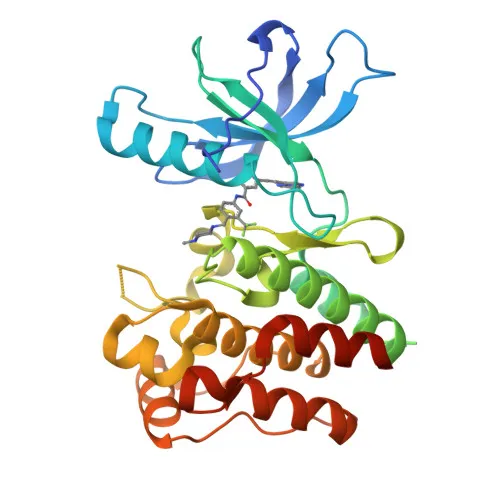
Monoclonal Antibodies
ROR1 Rabbit mAb for FC - Q01973
Item Number : CM0006479
Price varies based on specs and customizations
- Application
- FC
- Cross Reactivity
- Human
- Protein Weight
- 104kDa

Shipping:
Contact us to get shipping details Enjoy On-time Dispatch Guarantee.
Why Choose Us
Easy ordering process, quality products, and dedicated support for your business success.
Core Product Specifications and Parameters
| Parameter | Value |
|---|---|
| Product Name | ROR1 Rabbit mAb |
| Remarks/Alias | NTRKR1; dJ537F10.1; ROR1 |
| Species | Human |
| GeneID (Human) | 4919 |
| GeneID | 4919 |
| Immunogen | Recombinant fusion protein containing a sequence corresponding to amino acids 24-403 of Human ROR1 (NP_005003.2). |
| Source | Rabbit |
| Category | Monoclonal Antibodies |
| Application | FC |
| Cross Reactivity | Human |
| SWISS | Q01973 |
| Protein Weight | 104kDa |
| Shipping | Ice bag |
Biological Background: ROR1 Function and Localization
- ROR1 (also known as Neurotrophic tyrosine kinase receptor-related 1, NTRKR1) is an inactive tyrosine-protein kinase transmembrane receptor with very low kinase activity. It serves as a receptor for WNT5A, activating NFkB signaling and inhibiting WNT3A-mediated signaling, and also forms a complex with ERBB2 via IGFBP5 to enhance CREB oncogenic signaling. Related references: PMID:25029443 PMID:27162350 PMID:36949068
- The protein contains immunoglobulin domains and kringle motifs, and participates in the Wnt signaling pathway, playing a crucial role in spiral ganglion neuron innervation of auditory hair cells in the inner ear.
- Alternative splicing produces a short isoform (Isoform Short) that is strongly expressed in fetal and adult CNS and in a variety of human cancers, including neuroectodermal tumors; the full-length receptor shows strong expression in heart, lung, and kidney, but weaker expression in the CNS.
- ROR1 is localized to the cell membrane and is enriched in axonal projections, which is consistent with its functions in neuronal guidance and cell signaling.
- Post-translational modifications include glycosylation and disulfide bond formation, and mutations in the gene are associated with non-syndromic deafness.
Experimental Guidance and Technical Tips
- The immunogen corresponds to the extracellular domain (amino acids 24-403), making this antibody suitable for detecting surface ROR1 by flow cytometry. Consider using appropriate isotype controls and gating strategies to verify specificity.
- Validate the antibody in your specific cell type or tissue of interest, as expression levels can vary. For human samples, ensure adequate cell viability and minimize non-specific binding.
- If combining with other markers, carefully design multicolor panels to avoid spectral overlap.
CamelBio: Your One-Stop Sourcing Bridge
CamelBio provides diagnostic manufacturers and research institutes with a comprehensive range of IVD raw materials, including validated antibody pairs, monoclonal antibodies, and bulk ancillary reagents. We support the sourcing of rare targets like ROR1 for oncology and auditory research applications, offering one-stop access from concept to clinic. Our expertise ensures reliable supply and technical consultation to accelerate your assay development.
REQUEST A QUOTE
Our professional team will reply to you within one business day. Please feel free to contact us!