Polyclonal Antibodies
RALA Rabbit Polyclonal Antibody for WB and ELISA - P11233
Item Number : CM0015166
Price varies based on specs and customizations
- Application
- WB, ELISA
- Cross Reactivity
- Mouse, Rat
- Protein Weight
- 24kDa

Shipping:
Contact us to get shipping details Enjoy On-time Dispatch Guarantee.
Why Choose Us
Easy ordering process, quality products, and dedicated support for your business success.
Core Product Specifications and Parameters
| Parameter | Value |
|---|---|
| Product Name | RALA Rabbit pAb |
| Remarks/Alias | RAL; HINCONS; RALA |
| Species | Human |
| GeneID (Human) | 5898 |
| Immunogen | Recombinant fusion protein containing a sequence corresponding to amino acids 1-206 of human RALA (NP_005393.2). |
| Source | Rabbit |
| Category | Polyclonal Antibodies |
| Application | WB, ELISA |
| Cross Reactivity | Mouse, Rat |
| SWISS | P11233 |
| Protein Weight | 24kDa |
| Shipping | Ice bag |
Biological Background: RALA Function and Localization
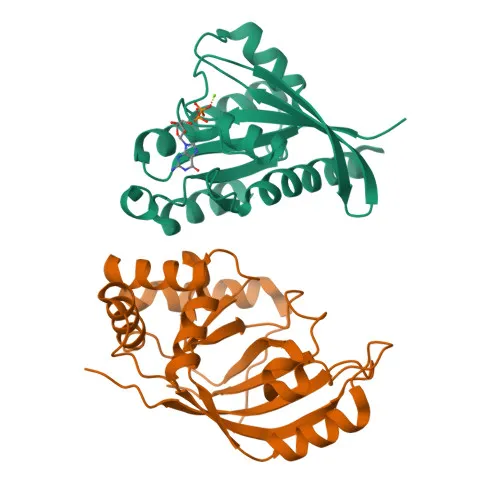
- RALA (Ras-related protein Ral-A) is a small GTPase of the Ras superfamily, functioning as a molecular switch in intracellular signaling pathways.
- RALA is a multifunctional GTPase involved in gene expression, cell migration, proliferation, oncogenic transformation, and membrane trafficking, mediated by interactions with distinct downstream effectors. Related references: PMID:18756269 PMID:19306925 PMID:20005108
- Acts as a GTP sensor for dense core vesicle exocytosis and, via the RALA-exocyst complex, regulates integrin-dependent membrane raft exocytosis and growth signaling. Related references: PMID:20005108
- Required for anchorage-independent proliferation of transformed cells. Related references: PMID:19306925
- During mitosis, RALA stabilizes and elongates the intracellular bridge and cooperates with EXOC2 to recruit exocyst components to the midbody. Related references: PMID:18756269
- Mitotically regulates mitochondrial fission by recruiting RALBP1 to the mitochondrion, leading to phosphorylation and activation of DNM1L by cyclin B-CDK1. Related references: PMID:21822277
- Subcellularly, RALA localizes to the cell membrane, cleavage furrow, midbody ring, and mitochondrion.
- Post-translationally modified by prenylation, phosphorylation, and methylation, which regulate its membrane association and activity.
Experimental Guidance and Technical Tips
- The immunogen (amino acids 1-206) covers the majority of RALA; consider that it may recognize both GDP- and GTP-bound forms, as well as prenylated and non-prenylated species.
- For Western blot, the expected band is around 24 kDa; post-translational modifications may cause slight mobility shifts. Validate signal specificity in relevant tissue or cell lysates.
- For ELISA, the polyclonal nature can enhance detection sensitivity. Perform checkerboard titrations to determine optimal coating antigen and antibody dilution.
- Cross-reactivity with mouse and rat is indicated; verify specificity in the appropriate species controls.
- As a rabbit polyclonal antibody, lot-to-lot variability should be monitored for consistent performance in critical assays.
CamelBio: Your One-Stop Sourcing Bridge
CamelBio provides diagnostic manufacturers, reference labs, and research institutes with streamlined access to high-quality IVD raw materials, including this anti-RALA polyclonal antibody for GTPase signaling and cell division studies. Our extensive portfolio features validated antibody pairs, optimized monoclonal and polyclonal antibodies, bulk ancillary reagents, and customized sourcing for rare or novel targets. From concept to clinic, we support your assay development with reliable, traceable materials and dedicated technical consultation.
REQUEST A QUOTE
Our professional team will reply to you within one business day. Please feel free to contact us!