Monoclonal Antibodies
Rabbit anti-Mouse S100A9 Monoclonal Antibody for Flow Cytometry (Intracellular) - P31725
Item Number : CM0005901
Price varies based on specs and customizations
- Application
- FC (intra)
- Cross Reactivity
- Mouse
- Protein Weight
- 13kDa

Shipping:
Contact us to get shipping details Enjoy On-time Dispatch Guarantee.
Why Choose Us
Easy ordering process, quality products, and dedicated support for your business success.
Core Product Specifications and Parameters
| Parameter | Value |
|---|---|
| Product Name | Rabbit anti-Mouse S100A9 mAb |
| Remarks/Alias | p14; Cagb; GAGB; L1Ag; BEE22; MRP14; 60B8Ag |
| Species | Mouse |
| Gene ID (Human) | 6280 |
| Gene ID | 20202 |
| Immunogen | Recombinant fusion protein containing a sequence corresponding to amino acids 1-113 of mouse S100a9 (NP_033140.1) |
| Source | Rabbit |
| Category | Monoclonal Antibodies |
| Application | FC (intra) |
| Cross Reactivity | Mouse |
| SWISS | P31725 |
| Protein Weight | 13kDa |
| Shipping | Ice bag |
Biological Background: S100A9 Function and Localization
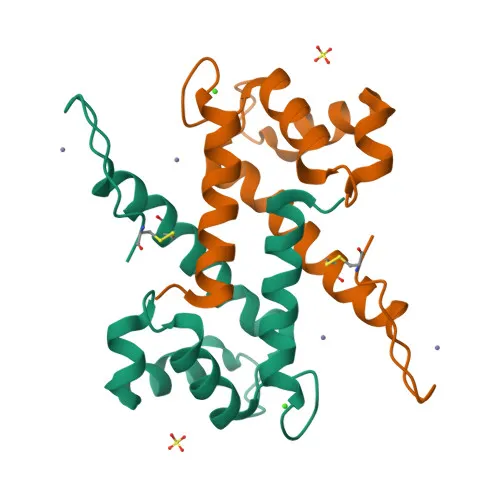
- S100A9, also known as calgranulin-B or MRP14, is a calcium- and zinc-binding protein critically involved in regulating inflammatory processes and immune responses.
Related references: PMID:15331440 PMID:17767165 PMID:18403730 - It forms a heterodimeric complex with S100A8, known as calprotectin, which exerts a wide range of intra- and extracellular functions.
- Intracellularly, calprotectin facilitates leukocyte arachidonic acid trafficking, modulates tubulin-dependent cytoskeleton dynamics during phagocyte migration, and activates the neutrophilic NADPH-oxidase.
Related references: PMID:15331440 - Extracellularly, S100A9 acts as an alarmin/damage-associated molecular pattern (DAMP), binding to Toll-like receptor 4 (TLR4) and the receptor for advanced glycation endproducts (AGER) to amplify pro-inflammatory cascades via MAPK and NF-κB signaling.
Related references: PMID:17767165 PMID:18403730 PMID:19402754 - It displays direct antimicrobial activity by chelating Zn²⁺, which is essential for microbial growth, and can induce autophagy and apoptosis in target cells.
- S100A9 is predominantly localized in the cytoplasm, associates with the cytoskeleton, and is secreted extracellularly upon activation.
- Post-translational modifications include acetylation, methylation, and phosphorylation, and it is associated with keywords such as immunity, chemotaxis, antioxidant, and metal-binding.
Experimental Guidance and Technical Tips
- The immunogen encompasses the full-length mouse S100A9 protein (amino acids 1-113), suggesting potential recognition of native epitopes; consider titrating the antibody to determine optimal working concentration for intracellular flow cytometry.
- Because S100A9 frequently forms heterodimers with S100A8, experimental designs may need to account for possible detection of the calprotectin complex in mouse leukocyte samples.
- As this is a directly conjugated antibody with , it is ready for immediate use in multiplex flow cytometry panels; validate specificity in relevant mouse immune cell populations (e.g., neutrophils, monocytes).
CamelBio: Your One-Stop Sourcing Bridge
CamelBio is a dedicated one-stop provider of raw materials, technical services, and consulting for the IVD industry, supporting diagnostic developers from concept to clinic. For researchers and manufacturers focusing on inflammatory and immune pathways, we offer validated antibody pairs, optimized monoclonal and polyclonal antibodies, and bulk ancillary reagents. Our supply network also specializes in sourcing rare-target raw materials, helping accelerate your assay development with reliable, high-quality components.
Product Datasheet
Rabbit anti-Mouse S100A9 Monoclonal Antibody for Flow Cytometry (Intracellular) - P31725
REQUEST A QUOTE
Our professional team will reply to you within one business day. Please feel free to contact us!