Monoclonal Antibodies
Rabbit anti-Mouse RANK/CD265 Monoclonal Antibody for Flow Cytometry - O35305
Item Number : CM0004422
Price varies based on specs and customizations
- Application
- FC
- Cross Reactivity
- Mouse
- Protein Weight
- 67kDa

Shipping:
Contact us to get shipping details Enjoy On-time Dispatch Guarantee.
Why Choose Us
Easy ordering process, quality products, and dedicated support for your business success.
Core Product Specifications and Parameters
| Parameter | Value |
|---|---|
| Product Name | Rabbit anti-Mouse RANK/CD265 mAb |
| Remarks/Alias | OFE; ODFR; Rank; Ly109; mRANK; TRANCE-R |
| Species | Mouse |
| GeneID (Human) | 8792 |
| GeneID | 21934 |
| Immunogen | Recombinant fusion protein containing a sequence corresponding to amino acids 31-213 of mouse RANK/CD265 (NP_033425.3) |
| Source | Rabbit |
| Category | Monoclonal Antibodies |
| Application | FC |
| Cross Reactivity | Mouse |
| SWISS | O35305 |
| Protein Weight | 67kDa |
| Shipping | Ice bag |
Biological Background: RANK/CD265 Function and Localization
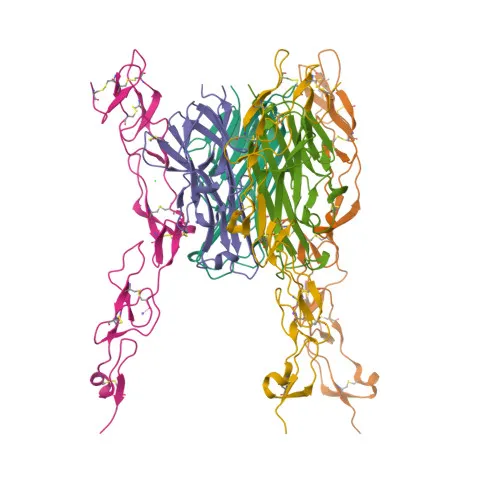
- RANK (Receptor Activator of NF-κB), also known as CD265, ODFR, TRANCE-R, and Ly109, is a type I transmembrane protein and a member of the tumor necrosis factor receptor superfamily (TNFRSF11A), encoded by the Tnfrsf11a gene in mice.
- It serves as the primary receptor for TNFSF11/RANKL/TRANCE/OPGL and is essential for RANKL-mediated osteoclastogenesis, driving the differentiation and activation of osteoclasts. Related references: PMID:9878548, PMID:20483727, PMID:23478294
- Its interaction with EEIG1 further promotes osteoclastogenesis by facilitating the transcription of NFATC1 and activation of PLCG2. Related references: PMID:23478294
- It is involved in regulating interactions between T-cells and dendritic cells, playing a role in immune regulation. Related references: PMID:9367155
- The receptor localizes to the cell membrane and is enriched in membrane rafts, which may be important for signal transduction.
- RANK is ubiquitously expressed, with high levels in trabecular bone, thymus, small intestine, lung, brain, and kidney; it is weakly expressed in spleen and bone marrow.
- Post-translational modifications include glycosylation, disulfide bond formation, and phosphorylation. The protein contains a signal peptide, a transmembrane helix, and metal-binding motifs.
Experimental Guidance and Technical Tips
- The immunogen used to generate this antibody corresponds to amino acids 31-213 of mouse RANK, which covers part of the extracellular domain. This region is likely accessible for live-cell flow cytometry staining.
- For flow cytometry, consider titrating the antibody to determine the optimal concentration for your specific cell type and experimental conditions.
- Mouse samples expressing RANK, such as osteoclast precursors or immune cells from bone marrow, thymus, or spleen, may be suitable for validation.
- Since the antibody is directly conjugated to , no secondary staining is required, simplifying the workflow and reducing background.
CamelBio: Your One-Stop Sourcing Bridge
CamelBio is your one-stop partner for IVD raw-material sourcing, from concept to clinic. We supply validated antibody pairs, optimized monoclonal and polyclonal antibodies, bulk ancillary reagents, and can assist with sourcing rare targets like RANK for diagnostic or research needs. Whether you're developing assays for osteoclastogenesis or immune cell interactions, our portfolio and technical support streamline your procurement and validation processes.
Product Datasheet
Rabbit anti-Mouse RANK/CD265 Monoclonal Antibody for Flow Cytometry - O35305
REQUEST A QUOTE
Our professional team will reply to you within one business day. Please feel free to contact us!