Monoclonal Antibodies
Rabbit anti-Mouse JAM-1/CD321 Monoclonal Antibody for Flow Cytometry - O88792
Item Number : CM0008138
Price varies based on specs and customizations
- Application
- FC
- Cross Reactivity
- Mouse
- Protein Weight
- 32kDa

Shipping:
Contact us to get shipping details Enjoy On-time Dispatch Guarantee.
Why Choose Us
Easy ordering process, quality products, and dedicated support for your business success.
Core Product Specifications and Parameters
| Parameter | Details |
|---|---|
| Product Name | Rabbit anti-Mouse JAM-1/CD321 mAb |
| Remarks/Alias | JAM; Jcam; JAM-1; JAM-A; Jcam1; Ly106; ESTM33; 9130004G24; JAM-A/CD321 |
| Species | Mouse |
| GeneID (Human) | 50848 |
| GeneID | 16456 |
| Immunogen | Recombinant fusion protein containing a sequence corresponding to amino acids 27-242 of mouse JAM-1/CD321 (NP_766235.1) |
| Source | Rabbit |
| Category | Monoclonal Antibodies |
| Application | FC |
| Cross Reactivity | Mouse |
| SWISS | O88792 |
| Protein Weight | 32kDa |
| Shipping | Ice bag |
Biological Background: Junctional adhesion molecule A Function and Localization
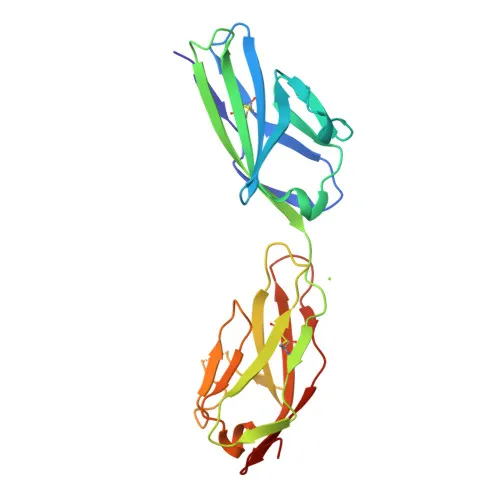
- Junctional adhesion molecule A (JAM-A), also known as JAM-1 or CD321, is a type I transmembrane glycoprotein belonging to the immunoglobulin superfamily, encoded by the F11r gene in mouse.
- JAM-A localizes to tight junctions at cell-cell contacts and is also present on the cell membrane, playing a critical role in epithelial and endothelial barrier function.
- It functions in the early formation of tight junctions by recruiting the polarity protein PARD3, and its association with the PARD6-PARD3 complex may regulate tight junction assembly (PubMed:11447115). Related references: PMID:11447115
- JAM-A is involved in regulating leukocyte transmigration across epithelial barriers, particularly monocyte transmigration, and serves as a ligand for integrin alpha-L/beta-2 in memory T-cell and neutrophil trafficking (PubMed:9660867). Related references: PMID:9660867
- It participates in platelet activation, contributing to thrombosis and hemostasis (By similarity).
- Post-translational modifications include glycosylation and phosphorylation, and the protein contains disulfide bonds and immunoglobulin-like domains essential for its adhesive functions.
- Keywords associated with JAM-A include tight junction, cell adhesion, immune cell trafficking, and membrane signaling.
Experimental Guidance and Technical Tips
- This antibody was generated using a recombinant immunogen corresponding to the extracellular domain (amino acids 27-242), which may be suitable for detecting surface JAM-A on live cells in flow cytometry.
- For FC, titrate the antibody to determine optimal concentration, and include appropriate isotype controls. Consider fixation/permeabilization for intracellular detection if needed.
- Validate detection in your relevant sample system, as performance may vary across cell types or experimental conditions.
CamelBio: Your One-Stop Sourcing Bridge
CamelBio is your one-stop sourcing partner for high-quality IVD raw materials, including validated antibody pairs, optimized monoclonal/polyclonal antibodies, bulk ancillary reagents, and rare target raw-material sourcing. For research on tight junction biology and immune cell trafficking, we offer reliable anti-JAM-1/CD321 antibodies to support your assay development needs. Our comprehensive supply capabilities help streamline your workflow from concept to clinic.
Product Datasheet
Rabbit anti-Mouse JAM-1/CD321 Monoclonal Antibody for Flow Cytometry - O88792
REQUEST A QUOTE
Our professional team will reply to you within one business day. Please feel free to contact us!