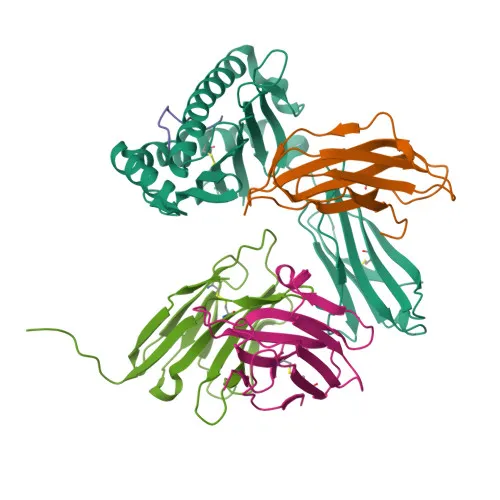
Monoclonal Antibodies
Rabbit anti-Mouse CD8a Monoclonal Antibody for Flow Cytometry - P01731
Item Number : CM0012639
Price varies based on specs and customizations
- Application
- FC
- Cross Reactivity
- Mouse
- Protein Weight
- 27KDa

Shipping:
Contact us to get shipping details Enjoy On-time Dispatch Guarantee.
Why Choose Us
Easy ordering process, quality products, and dedicated support for your business success.
Core Product Specifications and Parameters
| Parameter | Value |
|---|---|
| Product Name | Rabbit anti-Mouse CD8a mAb |
| Remarks/Alias | Ly-2; Ly-B; Ly-35; Lyt-2 |
| Species | Mouse |
| Gene ID (Human) | 925 |
| Gene ID | 12525 |
| Immunogen | Recombinant protein|Recombinant fusion protein containing a sequence corresponding to amino acids 28-196 of mouse CD8a (NP_001074579.1). |
| Source | Rabbit |
| Category | Monoclonal Antibodies |
| Application | FC |
| Cross Reactivity | Mouse |
| SWISS | P01731 |
| Protein Weight | 27KDa |
| Shipping | Ice bag |
Biological Background: CD8a Function and Localization
- CD8a (T-cell surface glycoprotein CD8 alpha chain), also known as Lyt-2, is an integral membrane glycoprotein that belongs to the immunoglobulin superfamily. It plays a pivotal role in adaptive immunity by serving as a coreceptor for MHC class I molecules on T cells.
- On T cells, CD8a heterodimerizes with CD8b and interacts simultaneously with the T-cell receptor (TCR) and MHC class I:peptide complexes on antigen-presenting cells, thereby strengthening the interaction and enabling T cell activation.
- Upon MHC class I engagement, CD8a recruits the Src family kinase LCK to the TCR-CD3 complex, triggering phosphorylation cascades that lead to lymphokine production, cellular motility, adhesion, and the activation of cytotoxic T lymphocytes (CTLs).
- In natural killer (NK) cells, CD8a homodimers confer a survival advantage by facilitating the conjugation and sequential lysis of multiple target cells, independent of its coreceptor function on T cells.
- CD8a signaling promotes the survival and differentiation of activated lymphocytes into memory CD8+ T cells, contributing to long-term immunological memory.
- CD8a is a transmembrane protein localized to the cell membrane, featuring a signal peptide, an extracellular immunoglobulin-like domain, and a cytoplasmic tail that is palmitoylated.
- The protein undergoes various post-translational modifications, including N‑glycosylation, disulfide bond formation, and palmitoylation, which are critical for its stability, folding, and membrane anchoring.
- Alternative splicing of the Cd8a gene produces multiple isoforms, potentially modulating its expression and function in different cell types.
Experimental Guidance and Technical Tips
- The immunogen (amino acids 28–196 of mouse CD8a) corresponds to the extracellular region, making this conjugate suitable for detecting cell surface CD8a by flow cytometry without the need for permeabilization.
- For flow cytometry, titrate the antibody to determine the optimal concentration for your specific cell type and staining protocol. Include an appropriate isotype control and live/dead discriminator to ensure accurate gating.
- Incubate with the antibody for 20–30 minutes on ice in the dark to minimize antigen internalization and fluorophore bleaching. Wash cells thoroughly to reduce nonspecific binding.
- CD8a is expressed on cytotoxic T cells and subsets of NK cells; thus, the antibody can be used to identify and phenotype these populations in mouse lymphoid tissues and blood.
- As a rabbit monoclonal, this reagent typically provides high batch-to‑batch consistency and low background, but always validate performance in your own sample system.
CamelBio: Your One-Stop Sourcing Bridge
CamelBio specializes in providing diagnostic manufacturers, laboratories, and research institutes with a comprehensive one‑stop sourcing solution for high‑quality IVD raw materials. This Rabbit anti‑Mouse CD8a monoclonal antibody exemplifies our offering of validated monoclonal antibodies for flow cytometry applications, particularly in immuno‑oncology and T‑cell research. Beyond individual reagents, we support your projects with antibody pairs, bulk ancillary reagents, and custom sourcing for rare targets to help streamline your path from concept to clinic.
REQUEST A QUOTE
Our professional team will reply to you within one business day. Please feel free to contact us!