Monoclonal Antibodies
Rabbit anti-Mouse CD87 (uPAR) Monoclonal Antibody for Flow Cytometry - P35456
Item Number : CM0006251
Price varies based on specs and customizations
- Application
- FC
- Cross Reactivity
- Mouse
- Protein Weight
- 24kDa/35kDa

Shipping:
Contact us to get shipping details Enjoy On-time Dispatch Guarantee.
Why Choose Us
Easy ordering process, quality products, and dedicated support for your business success.
Core Product Specifications and Parameters
| Parameter | Value |
|---|---|
| Product Name | Rabbit anti-Mouse CD87 mAb |
| Remarks/Alias | Cd87; uPAR; u-PAR |
| Species | Mouse |
| GeneID (human) | 5329 |
| GeneID | 18793 |
| Immunogen | Recombinant fusion protein containing a sequence corresponding to amino acids 24-297 of mouse CD87 (NP_035243.1) |
| Source | Rabbit |
| Category | Monoclonal Antibodies |
| Application | FC |
| Cross Reactivity | Mouse |
| SWISS | P35456 |
| Protein Weight | 24kDa/35kDa |
| Shipping | Ice bag |
Biological Background: CD87 (uPAR) Function and Localization
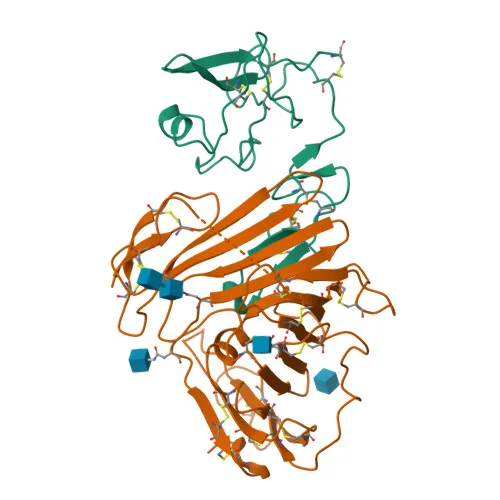
- CD87, encoded by the Plaur gene, is the urokinase plasminogen activator surface receptor (uPAR), a glycosylphosphatidylinositol (GPI)-anchored glycoprotein.
- It serves as a high-affinity receptor for urokinase-type plasminogen activator (uPA), localizing and activating uPA at the cell surface to convert plasminogen into plasmin, thereby initiating pericellular proteolysis and extracellular matrix (ECM) remodeling.
- Beyond proteolysis, CD87 binds vitronectin, an ECM component, facilitating cell-matrix adhesion and indirectly modulating integrin-mediated signaling pathways.
- Through its dual interaction with uPA and vitronectin, CD87 coordinates dynamic changes in cell migration, proliferation, and tissue remodeling.
- Subcellularly, CD87 is localized to the cell membrane and is enriched at invadopodia, specialized membrane protrusions that mediate ECM degradation; a soluble, secreted form is also generated.
- At the protein level, CD87 is expressed in angiogenic endothelial cells, highlighting its role in vascular remodeling and angiogenesis.
Experimental Guidance and Technical Tips
- The immunogen spans the extracellular domain (aa 24-297), suggesting that the antibody should recognize cell surface CD87. Validate in relevant mouse cell lines or primary cells expressing CD87, such as angiogenic endothelial cells.
- For flow cytometry, titrate the conjugate to determine the optimal staining concentration. Use appropriate controls, including isotype controls and Fc receptor blocking, to minimize nonspecific binding.
- is a bright, far-red fluorophore compatible with standard flow cytometers. Protect the antibody from light and avoid repeated freeze-thaw cycles to maintain conjugate stability.
- Assess staining on live cells for surface detection; if intracellular staining is needed, a fixation/permeabilization step may be required. Confirm specificity by comparing signal in Plaur-knockout cells or using a blocking peptide, if available.
CamelBio: Your One-Stop Sourcing Bridge
CamelBio provides diagnostic manufacturers, laboratories, and research institutes with one-stop access to validated IVD raw materials. This Rabbit anti-Mouse CD87 monoclonal antibody supports flow cytometry applications targeting the urokinase receptor (uPAR/CD87) in mouse samples. Beyond single reagents, CamelBio offers optimized monoclonal/polyclonal antibodies, validated antibody pairs, bulk ancillary reagents, and rare-target raw-material sourcing to accelerate your assay development from concept to clinic.
Product Datasheet
Rabbit anti-Mouse CD87 (uPAR) Monoclonal Antibody for Flow Cytometry - P35456
REQUEST A QUOTE
Our professional team will reply to you within one business day. Please feel free to contact us!