Monoclonal Antibodies
Rabbit anti-Mouse CD87 Monoclonal Antibody for Flow Cytometry - P35456
Item Number : CM0012488
Price varies based on specs and customizations
- Application
- FC
- Cross Reactivity
- Mouse
- Protein Weight
- 24kDa/35kDa

Shipping:
Contact us to get shipping details Enjoy On-time Dispatch Guarantee.
Why Choose Us
Easy ordering process, quality products, and dedicated support for your business success.
Core Product Specifications and Parameters
| Parameter | Value |
|---|---|
| Product Name | Rabbit anti-Mouse CD87 mAb |
| Remarks/Alias | Cd87; uPAR; u-PAR |
| Species | Mouse |
| GeneID (human) | 5329 |
| GeneID | 18793 |
| Immunogen | Recombinant protein|Recombinant fusion protein containing a sequence corresponding to amino acids 24-297 of mouse CD87 (NP_035243.1). |
| Source | Rabbit |
| Category | Monoclonal Antibodies |
| Application | FC |
| Cross Reactivity | Mouse |
| SWISS | P35456 |
| Protein Weight | 24kDa/35kDa |
| Shipping | Ice bag |
Biological Background: CD87 (uPAR) Function and Localization
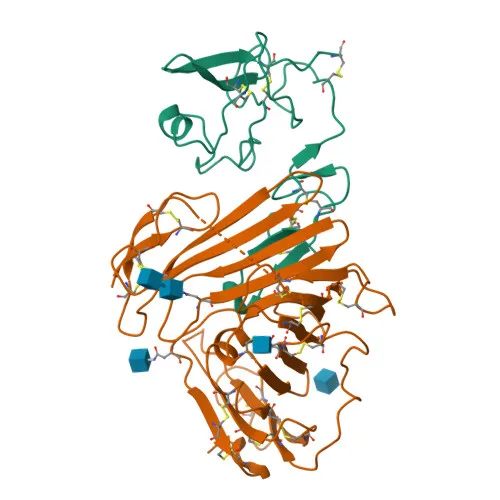
- CD87, also known as urokinase plasminogen activator surface receptor (uPAR), is a GPI-anchored glycoprotein encoded by the Plaur gene in mouse.
- It serves as the primary cell-surface receptor for urokinase-type plasminogen activator (uPA), localizing proteolytic activity to the cell membrane.
- Upon uPA binding, CD87 activates plasminogen conversion to plasmin, promoting extracellular matrix degradation and facilitating cell migration and tissue remodeling.
- Additionally, CD87 binds the matrix protein vitronectin, mediating cell-matrix adhesion and indirectly regulating integrin signaling.
- The receptor is predominantly expressed on the cell membrane and is enriched on invadopodia, specialized membrane protrusions involved in matrix invasion.
- Tissue-specific expression includes angiogenic endothelial cells, highlighting its role in vascular remodeling.
- Alternative splicing and post-translational modifications include a GPI-anchor, disulfide bonds, and glycosylation, contributing to its functional diversity.
Experimental Guidance and Technical Tips
- The immunogen corresponds to the extracellular domain (aa 24-297) of mouse CD87, which encompasses the ligand-binding region; this design likely ensures recognition of the native surface receptor.
- As a directly conjugated monoclonal antibody, it is optimized for flow cytometry (FC) without the need for secondary staining; verify optimal dilution in the relevant mouse sample system.
- Given CD87’s GPI-anchored nature, avoid permeabilization steps that could disrupt membrane localization unless intracellular detection is intended.
- For applications beyond FC, such as functional blocking or imaging, validate cross-reactivity and performance in your specific assay context.
CamelBio: Your One-Stop Sourcing Bridge
CamelBio is your one-stop partner for IVD raw materials, providing reliable antibody reagents like this anti-CD87 monoclonal antibody to support research in cell migration, cancer invasion, and vascular biology. We offer validated antibody pairs, optimized monoclonal and polyclonal antibodies, and bulk ancillary reagents to streamline your diagnostic development. Count on CamelBio for efficient sourcing of rare targets and comprehensive technical support from concept to clinic.
REQUEST A QUOTE
Our professional team will reply to you within one business day. Please feel free to contact us!