Monoclonal Antibodies
Rabbit anti-Mouse CD66a/CEACAM1 Monoclonal Antibody for FC - P31809
Item Number : CM0004730
Price varies based on specs and customizations
- Application
- FC
- Cross Reactivity
- Mouse

Shipping:
Contact us to get shipping details Enjoy On-time Dispatch Guarantee.
Why Choose Us
Easy ordering process, quality products, and dedicated support for your business success.
Core Product Specifications and Parameters
| Parameter | Value |
|---|---|
| Product Name | Rabbit anti-Mouse CD66a/CEACAM1 mAb |
| Remarks/Alias | Bgp, Cc1, Hv2, Bgp1, Cea1, Cea7, Hv-2, MHVR, bb-1, C-CAM, CD66a, Cea-1, Cea-7, MHVR1, Mhv-1, mCEA1, mmCGM1, mmCGM2, mmCGM1a |
| Species | Mouse |
| GeneID (Human) | 634 |
| GeneID | 26365 |
| Immunogen | Recombinant fusion protein containing a sequence corresponding to amino acids 35-428 of mouse CD66a/CEACAM1a (NP_001034274.1) |
| Source | Rabbit |
| Category | Monoclonal Antibodies |
| Application | FC |
| Cross Reactivity | Mouse |
| SWISS | P31809 |
| Protein Weight | 57kDa/50kDa/37kDa/30kDa |
| Shipping | Ice bag |
Biological Background: Cell adhesion molecule CEACAM1 Function and Localization
- CEACAM1, also known as biliary glycoprotein 1 (BGP-1) or CD66a, is a member of the carcinoembryonic antigen (CEA) family within the immunoglobulin superfamily. Multiple isoforms (e.g., 57, 50, 37, 30 kDa) are generated by alternative splicing.
- Mediates homophilic cell adhesion in a calcium-independent manner, contributing to tissue organization and immune synapse formation.
- Functions as a coinhibitory receptor on T cells, NK cells, and neutrophils. Engagement leads to phosphorylation-dependent recruitment of PTPN6 (SHP-1), which dephosphorylates downstream effectors, suppressing TCR‑mediated cytotoxicity, T‑cell proliferation, and cytokine production. Related references: PMID:17081782 PMID:21029969 PMID:22496641
- Acts as an activator in angiogenesis and arteriogenesis, promoting endothelial cell differentiation, blood vessel remodeling, and collateral artery growth after ischemia. Related references: PMID:16680193 PMID:22962327
- Regulates insulin action by enhancing insulin clearance and modulating hepatic lipogenesis through interaction with insulin receptor (INSR) and FASN. Related references: PMID:18544705
- Serves as the primary receptor for mouse hepatitis virus (MHV), mediating viral entry via the spike glycoprotein.
- Localizes to the cell membrane at lateral, apical, and basal surfaces, as well as at adherens junctions. Also found in cytoplasmic vesicles, microvilli, and secretory vesicles, reflecting its roles in adhesion, signaling, and transport.
- Expressed broadly in hematopoietic cells (granulocytes, lymphocytes, monocytes) and tissues such as liver, intestine, and bone. Intestinal T‑cells predominantly express isoform 2, while extraintestinal T‑cells mainly express isoform 1. Related references: PMID:11994468 PMID:23123061 PMID:25490771 PMID:25908210
- Subject to extensive post‑translational modifications, including N‑linked glycosylation, phosphorylation, and disulfide bond formation, which regulate trafficking, ligand binding, and signaling.
Experimental Guidance and Technical Tips
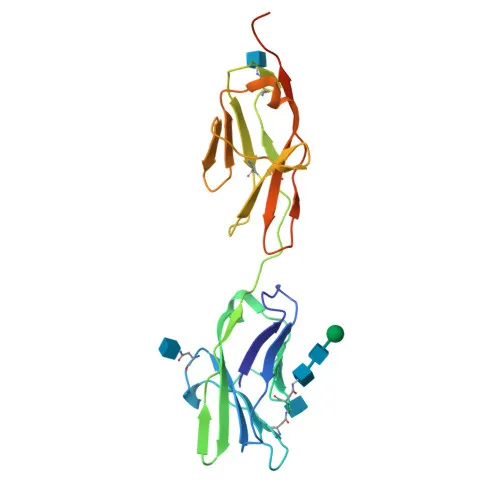
- The immunogen corresponds to the extracellular domain (aa 35‑428) of mouse CEACAM1a, covering the N‑terminal Ig‑like domains that mediate homophilic interactions and virus binding. conjugation provides optimal 488 nm excitation for most flow cytometers.
- For flow cytometry, titrate the antibody to determine the optimal staining concentration for your cell type. Include appropriate isotype controls and viability dyes.
- CEACAM1 expression is activation‑dependent on immune cells; consider stimulating cells if basal expression is low. Validate staining specificity using CEACAM1‑knockout or blocking experiments.
- The antibody may detect multiple isoforms due to alternative splicing. If adapting to non‑conjugated formats, confirm expected molecular weights in relevant cell lysates.
CamelBio: Your One-Stop Sourcing Bridge
CamelBio empowers diagnostic manufacturers, laboratories, and research institutes with streamlined access to high‑quality IVD raw materials, technical services, and consultative support from concept to clinic. For immune checkpoint, viral pathogenesis, or cellular phenotyping studies centered on CD66a/CEACAM1, CamelBio offers validated antibody pairs, optimized monoclonal reagents, and ancillary raw materials to accelerate assay development. Our sourcing network also enables rapid procurement of rare‑target antibodies and bulk‑scale manufacturing inputs, ensuring your projects stay on track.
REQUEST A QUOTE
Our professional team will reply to you within one business day. Please feel free to contact us!