Monoclonal Antibodies
Rabbit anti-Mouse CD44 Monoclonal Antibody for IF/ICC, FC - P15379
Item Number : CM0008848
Price varies based on specs and customizations
- Application
- IF/ICC, FC
- Cross Reactivity
- Mouse
- Protein Weight
- 85kDa

Shipping:
Contact us to get shipping details Enjoy On-time Dispatch Guarantee.
Why Choose Us
Easy ordering process, quality products, and dedicated support for your business success.
Core Product Specifications and Parameters
| Parameter | Value |
|---|---|
| Product Name | Rabbit anti-Mouse CD44 mAb |
| Alias | Ly-24; Pgp-1; HERMES |
| Species | Mouse |
| Gene ID (Human) | 960 |
| Gene ID | 12505 |
| Immunogen | Recombinant fusion protein containing a sequence corresponding to amino acids 23-176 of mouse CD44 (NP_033981.2) |
| Source | Rabbit |
| Category | Monoclonal Antibodies |
| Application | IF/ICC, FC |
| Cross Reactivity | Mouse |
| SWISS | P15379 |
| Protein Weight | 85kDa |
| Shipping | Ice bag |
Biological Background: CD44 Function and Localization
- CD44, also known as Ly-24, Pgp-1, HERMES, or extracellular matrix receptor III, is a cell-surface receptor encoded by the Cd44 gene in mouse. It exists in multiple isoforms due to alternative splicing, contributing to functional diversity. Related references: PMID:25065622
- CD44 functions as a receptor for hyaluronan (HA) and other extracellular matrix components such as collagen, mediating cell-cell and cell-matrix interactions essential for adhesion, migration, and tissue organization. Related references: PMID:8343954
- It plays a critical role in lymphocyte homing and recirculation, participating in the activation and trafficking of T-lymphocytes, as well as in hematopoiesis and inflammatory responses. Related references: PMID:25065622
- Upon ligand engagement, CD44 assembles signaling complexes involving kinases (PKN2), small GTPases (RAC1, RHOA), and phospholipase C, leading to calcium mobilization and actin cytoskeleton reorganization, which are crucial for cell motility. Related references: PMID:25065622
- In NK cells, interaction with LGALS9 ligand activates CD44 downstream signaling through LCK, ERK, and MAPK, promoting NK cell activation and cytotoxicity. Related references: PMID:37006235
- CD44 is primarily localized at the cell membrane and in microvilli; a secreted form can also be produced. It is expressed in tissues like intestinal epithelium, reflecting its role in epithelial integrity and response to injury.
- Post-translational modifications include glycosylation, phosphorylation, and sulfation; CD44 can act as a proteoglycan, which affects ligand binding and signal transduction.
Experimental Guidance and Technical Tips
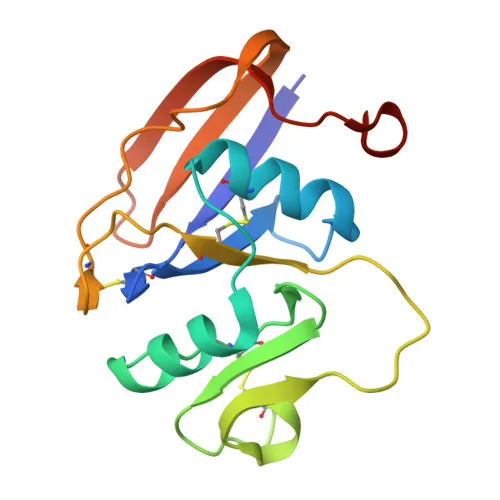
- The immunogen covers the ectodomain region (aa 23-176) of mouse CD44, which includes the hyaluronan-binding domain; consider this when designing detection strategies, as endogenous ligands may compete with antibody binding.
- For immunofluorescence (IF/ICC) applications, optimize fixation and permeabilization conditions to preserve CD44 epitope integrity, which may be sensitive to denaturation.
- In flow cytometry (FC), ensure appropriate viability staining and gating strategies to exclude dead cells, as CD44 can be expressed at varying levels on different leukocyte subsets.
- Validate antibody specificity in the relevant mouse model system, as this product is validated for mouse reactivity only; cross-reactivity with other species has not been confirmed.
CamelBio: Your One-Stop Sourcing Bridge
CamelBio is your one-stop sourcing partner for IVD raw materials, offering validated antibody pairs, optimized monoclonal/polyclonal antibodies, and bulk ancillary reagents. For cell adhesion and migration research, we provide reliable anti-CD44 antibodies and can assist in sourcing rare targets, ensuring a seamless supply chain from concept to clinical application.
REQUEST A QUOTE
Our professional team will reply to you within one business day. Please feel free to contact us!