Monoclonal Antibodies
Rabbit anti-Mouse CD274/PD-L1 Monoclonal Antibody for Flow Cytometry - Q9EP73
Item Number : CM0010193
Price varies based on specs and customizations
- Application
- FC
- Cross Reactivity
- Mouse
- Protein Weight
- 32kDa

Shipping:
Contact us to get shipping details Enjoy On-time Dispatch Guarantee.
Why Choose Us
Easy ordering process, quality products, and dedicated support for your business success.
Core Product Specifications and Parameters
| Parameter | Value |
|---|---|
| Product Name | Rabbit anti-Mouse CD274/PD-L1 mAb |
| Remarks/Alias | B7h1, Pdl1, Pdcd1l1, Pdcd1lg1, A530045L16Rik |
| Species | Mouse |
| GeneID (Human) | 29126 |
| GeneID | 60533 |
| Immunogen | Recombinant fusion protein containing a sequence corresponding to amino acids 19-235 of mouse CD274/PD-L1 (NP_068693.1) |
| Source | Rabbit |
| Category | Monoclonal Antibodies |
| Application | FC |
| Cross Reactivity | Mouse |
| SWISS | Q9EP73 |
| Protein Weight | 32kDa |
| Shipping | Ice bag |
Biological Background: CD274/PD-L1 Function and Localization
- CD274 (PD-L1), also known as B7-H1, is a type I transmembrane protein belonging to the immunoglobulin superfamily.
- As a ligand for the inhibitory receptor PDCD1 (PD-1), it plays a critical role in maintaining immune tolerance by limiting T-cell effector responses. Related references: PMID:11238124
- Through a yet unidentified activating receptor, CD274 may also costimulate T-cell subsets that predominantly produce IL-10. Related references: PMID:11015443 PMID:12719480
- In the tumor microenvironment, the PD-1/PD-L1 pathway is exploited to attenuate anti-tumor immunity, inhibiting CTL effector function and promoting tumor survival. Related references: PMID:12218188 PMID:27281199
- CD274 localizes to the cell membrane and also cycles through early and recycling endosome membranes.
- It is highly expressed in heart, thymus, skeletal muscle, and lung, and on activated dendritic cells, B cells, and macrophages; it is also found on many tumor cell lines of lymphoid origin.
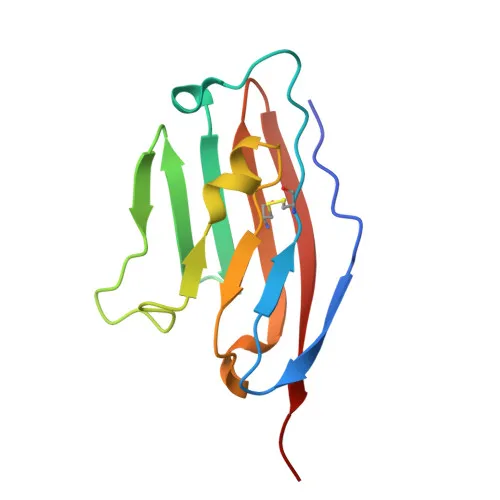
- Structural features include an immunoglobulin V-like domain, a transmembrane helix, disulfide bonds, and N-linked glycosylation; it may also undergo ubiquitination.
- Functionally, it is involved in adaptive immunity and acts as a receptor that modulates immune responses.
Experimental Guidance and Technical Tips
- The immunogen (aa 19-235 of mouse CD274/PD-L1) corresponds to the extracellular domain, which is predicted to generate antibodies recognizing the native cell surface protein in flow cytometry.
- As a pre-conjugated antibody, it allows direct detection without secondary staining; titrate the antibody for optimal signal-to-noise ratio in your specific experimental system.
- Include appropriate viability dyes to exclude dead cells, as non-specific binding can occur.
- Validate the staining pattern using known positive controls (e.g., activated mouse T cells, dendritic cells, or PD-L1-expressing tumor cell lines) and an isotype control.
- For intracellular staining or detection in permeabilized cells, verify that the epitope is preserved under fixation/permeabilization conditions.
CamelBio: Your One-Stop Sourcing Bridge
CamelBio offers diagnostic manufacturers and research institutions integrated access to IVD raw materials. This anti-mouse CD274 (PD-L1) product supports immune checkpoint and tumor immunity research applications. With a comprehensive portfolio including validated antibody pairs, recombinant proteins, and ancillary reagents, CamelBio streamlines your sourcing needs from concept to commercialization.
Product Datasheet
Rabbit anti-Mouse CD274/PD-L1 Monoclonal Antibody for Flow Cytometry - Q9EP73
REQUEST A QUOTE
Our professional team will reply to you within one business day. Please feel free to contact us!