Monoclonal Antibodies
Rabbit anti-Mouse CD270/HVEM Monoclonal Antibody for FC - Q80WM9
Item Number : CM0008893
Price varies based on specs and customizations
- Application
- FC
- Cross Reactivity
- Mouse
- Protein Weight
- 30kDa

Shipping:
Contact us to get shipping details Enjoy On-time Dispatch Guarantee.
Why Choose Us
Easy ordering process, quality products, and dedicated support for your business success.
Core Product Specifications and Parameters
| Parameter | Value |
|---|---|
| Product Name | Rabbit anti-Mouse CD270/HVEM mAb |
| Remarks/Alias | TR2; Atar; HveA; Hvem; Tnfrs14 |
| Species | Mouse |
| GeneID (Human) | 8764 |
| GeneID | 230979 |
| Immunogen | Recombinant protein|Recombinant fusion protein containing a sequence corresponding to amino acids 39-207 of mouse CD270/HVEM (NP_849262.1). |
| Source | Rabbit |
| Category | Monoclonal Antibodies |
| Application | FC |
| Cross Reactivity | Mouse |
| SWISS | Q80WM9 |
| Protein Weight | 30kDa |
| Shipping | Ice bag |
Biological Background: CD270/HVEM Function and Localization
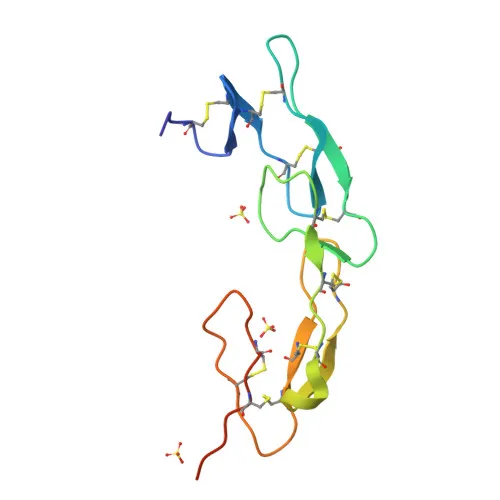
- CD270 (Herpes virus entry mediator A, HveA; also known as TNFRSF14, TR2) is a transmembrane receptor belonging to the tumor necrosis factor receptor superfamily. It serves as a receptor for four distinct ligands: TNFSF14/LIGHT, homotrimeric LTA/lymphotoxin-alpha, and the immunoglobulin superfamily members BTLA and CD160, establishing a complex stimulatory and inhibitory signaling network.
- Signals via the TRAF2-TRAF3 E3 ligase pathway to promote immune cell survival and differentiation. Related references: PMID:19915044
- In response to TNFSF14/LIGHT engagement, CD270 delivers costimulatory signals to T cells, promoting cell proliferation and effector functions. Interaction with CD160 on NK cells enhances IFNG production and supports anti-tumor immune responses. Related references: PMID:25711213
- Beyond its role in lymphoid cells, CD270 acts as a signaling receptor on epithelial cells for CD160 from intraepithelial lymphocytes, triggering production of antimicrobial proteins and pro-inflammatory cytokines during bacterial infection. Related references: PMID:22801499
- CD270 engages in both cis (same cell) and trans (other cell) interactions with BTLA. Cis interactions maintain a resting state in naive T cells, while trans interactions provide survival signals to effector T cells during adaptive immune responses. Related references: PMID:15568026, PMID:19915044
- The receptor is located at the cell membrane and contains a signal peptide, three cysteine-rich domains, a transmembrane helix, and a cytoplasmic tail. It is expressed at mucosal sites (colon, pulmonary epithelia) and in naive T cells. Related references: PMID:22801499, PMID:19915044
- CD270 is involved in both innate and adaptive immunity, and it also functions as a host cell receptor for herpes simplex virus entry (HveA). Post-translational modifications include glycosylation and phosphorylation.
Experimental Guidance and Technical Tips
- The immunogen corresponds to the extracellular ligand-binding domain (amino acids 39-207) of mouse CD270/HVEM, which suggests recognition of the native conformation. For flow cytometry (FC), consider titrating the antibody to determine the optimal concentration for your cell type and staining conditions.
- emits in the far-red spectrum (similar to APC). Ensure proper compensation settings and use appropriate isotype controls. If fixation/permeabilization steps are required for your protocol, validate that the epitope remains accessible, as the extracellular domain might be sensitive to certain permeabilization methods.
- This antibody is validated for flow cytometry applications with mouse samples. Cross-reactivity with other species has not been reported; verify suitability if extended to other models.
CamelBio: Your One-Stop Sourcing Bridge
CamelBio provides diagnostic manufacturers, labs, and research institutes with one-stop access to IVD raw materials, technical services, and consulting—covering every stage from concept to clinic. With expertise in immune checkpoint and signaling targets like CD270/HVEM, we offer validated antibody pairs, optimized monoclonal/polyclonal antibodies, bulk ancillary reagents, and rare target raw-material sourcing to accelerate your assay development. Partner with CamelBio to streamline your procurement and secure the critical reagents you need.
REQUEST A QUOTE
Our professional team will reply to you within one business day. Please feel free to contact us!