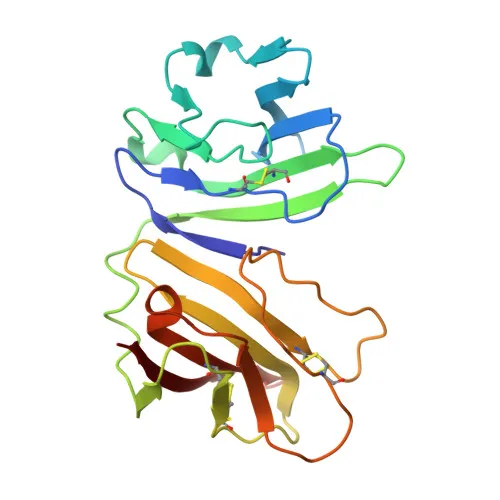
Monoclonal Antibodies
Rabbit anti-Mouse CD226/DNAM-1 Monoclonal Antibody for FC - Q8K4F0
Item Number : CM0004997
Price varies based on specs and customizations
- Application
- FC
- Cross Reactivity
- Mouse
- Protein Weight
- 38kDa

Shipping:
Contact us to get shipping details Enjoy On-time Dispatch Guarantee.
Why Choose Us
Easy ordering process, quality products, and dedicated support for your business success.
Core Product Specifications and Parameters
| Parameter | Value |
|---|---|
| Product Name | Rabbit anti-Mouse CD226/DNAM-1 mAb |
| Remarks/Alias | Pta1; DNAM1; DNAM-1; TLiSA1 |
| Species | Mouse |
| Gene ID (Human) | 10666 |
| Gene ID (Mouse) | 225825 |
| Immunogen | Recombinant fusion protein containing a sequence corresponding to amino acids 19-254 of mouse CD226/DNAM-1 (NP_848802.2) |
| Source | Rabbit |
| Category | Monoclonal Antibodies |
| Application | FC |
| Cross Reactivity | Mouse |
| SWISS | Q8K4F0 |
| Protein Weight | 38kDa |
| Shipping | Ice bag |
Biological Background: CD226/DNAM-1 Function and Localization
- CD226 (DNAM-1/PTA1) is a transmembrane receptor of the immunoglobulin superfamily, primarily expressed on cytotoxic T lymphocytes (CTLs) and natural killer (NK) cells.
- It acts as a costimulatory receptor upon recognition of target cells; binding to ligands PVR/CD155 or NECTIN2/CD112 on infected or tumor cells promotes NK cell and CTL cytotoxicity.
Related references:
PMID:30591568 - CD226 mediates intercellular adhesion, lymphocyte signaling, and lymphokine secretion, contributing to immune surveillance.
Related references:
PMID:19029379, PMID:24658051, PMID:26552706 - Mechanistically, ligand engagement triggers CD226 phosphorylation by Src-family kinases (LYN/FYN), enabling GRB2 binding and downstream activation of VAV1, PI3K, PLCG1, ERK, AKT, and calcium signaling pathways (By similarity).
- CD226 localizes to the plasma membrane and contains two extracellular Ig-like domains, a single transmembrane helix, and an intracellular region subject to regulatory phosphorylation.
- Post-translational modifications, including glycosylation and disulfide bond formation, are required for proper cell surface expression and function.
Experimental Guidance and Technical Tips
- The antibody was generated against amino acids 19-254 of mouse CD226, corresponding to the extracellular domain; it is expected to recognize the native cell-surface receptor, making it suitable for flow cytometry (FC) applications on viable mouse cells.
- For optimal staining, titrate the antibody over a range of 0.1–10 µg/mL and include appropriate isotype controls and fluorescence-minus-one (FMO) controls to set gates.
- Validate staining on mouse lymphocytes, such as splenocytes or lymph node cells, which express CD226 on NK cells and activated T cells.
- Since CD226 is expressed on cytotoxic lymphocytes, co-staining with lineage markers (e.g., CD3, NK1.1, CD8) can help identify specific cell populations.
CamelBio: Your One-Stop Sourcing Bridge
CamelBio offers a comprehensive portfolio of IVD raw materials, including validated antibody pairs, optimized monoclonal antibodies, and bulk ancillary reagents, to support your diagnostic and research workflows. Our one-stop sourcing bridge simplifies procurement for rare targets like CD226/DNAM-1, ensuring you have the critical reagents needed to advance immunology, immuno-oncology, and infectious disease studies from concept to clinic.
REQUEST A QUOTE
Our professional team will reply to you within one business day. Please feel free to contact us!