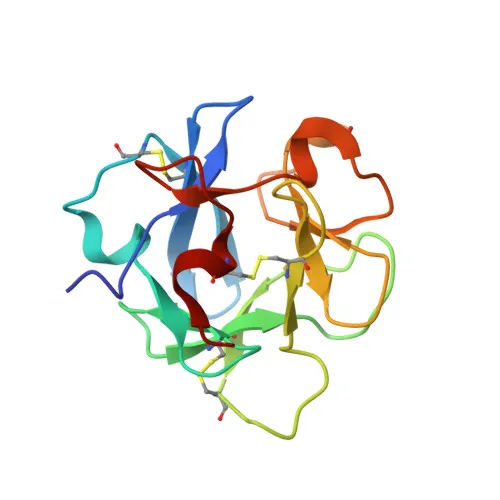
Monoclonal Antibodies
Rabbit anti-Mouse CD206/MMR Monoclonal Antibody for Flow Cytometry - Q61830
Item Number : CM0009845
Price varies based on specs and customizations
- Application
- FC (intra), FC
- Cross Reactivity
- Mouse
- Protein Weight
- 165 kDa

Shipping:
Contact us to get shipping details Enjoy On-time Dispatch Guarantee.
Why Choose Us
Easy ordering process, quality products, and dedicated support for your business success.
Core Product Specifications and Parameters
| Parameter | Value |
|---|---|
| Product Name | Rabbit anti-Mouse CD206/MMR mAb |
| Remarks/Alias | MR; CD206 |
| Species | Mouse |
| GeneID (human) | 4360 |
| GeneID | 17533 |
| Immunogen | Recombinant fusion protein containing a sequence corresponding to amino acids 20-154 of mouse CD206/MMR (NP_032651.2) |
| Source | Rabbit |
| Category | Monoclonal Antibodies |
| Application | FC (intra), FC |
| Cross Reactivity | Mouse |
| SWISS | Q61830 |
| Protein Weight | 165 kDa |
| Shipping | Ice bag |
Biological Background: CD206/MMR Function and Localization
- MRC1 encodes macrophage mannose receptor 1, also known as CD206 or MR, a type I transmembrane glycoprotein.
- Functions as a pattern recognition receptor that mediates endocytosis of glycoproteins and polysaccharides via its carbohydrate recognition domains.
- Serves as a phagocytic receptor for a broad range of pathogens, including bacteria, fungi, and other microorganisms.
- Localizes to the cell membrane and cycles through endosomal compartments, consistent with its role in antigen uptake and presentation.
- Expressed primarily on macrophages, where it plays a key role in innate immune surveillance.
- Belongs to the C-type lectin family and contains multiple extracellular domains, including a cysteine-rich domain, a fibronectin type II domain, and eight C-type lectin-like domains.
- Post-translational modifications include N-glycosylation and disulfide bond formation, contributing to its structural integrity and binding properties.
Experimental Guidance and Technical Tips
- The immunogen comprises the extracellular N-terminal region (aa 20–154), making this clone suitable for both surface and intracellular staining in flow cytometry.
- Titrate the antibody to determine the optimal working dilution for your specific experimental conditions.
- Validate staining in macrophage-rich samples such as spleen or peritoneal exudate cells, employing appropriate isotype controls.
- For intracellular staining, optimize fixation and permeabilization protocols to preserve epitope accessibility.
CamelBio: Your One-Stop Sourcing Bridge
CamelBio provides a streamlined procurement channel for IVD raw materials, including this anti-CD206 antibody for immunology and infectious disease research. Whether you need validated antibody pairs, bulk ancillary reagents, or rare target sourcing, our team supports your diagnostic development from concept to clinic with tailored supply solutions.
Product Datasheet
Rabbit anti-Mouse CD206/MMR Monoclonal Antibody for Flow Cytometry - Q61830
REQUEST A QUOTE
Our professional team will reply to you within one business day. Please feel free to contact us!