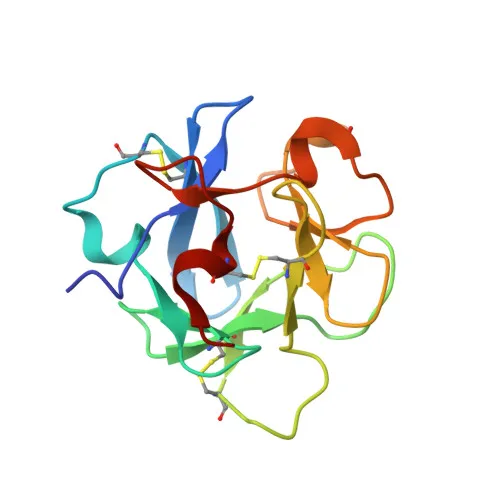
Monoclonal Antibodies
Rabbit anti-Mouse CD206/MMR Monoclonal Antibody for FC - Q61830
Item Number : CM0011520
Price varies based on specs and customizations
- Application
- FC (intra),FC
- Cross Reactivity
- Mouse

Shipping:
Contact us to get shipping details Enjoy On-time Dispatch Guarantee.
Why Choose Us
Easy ordering process, quality products, and dedicated support for your business success.
Core Product Specifications and Parameters
| Parameter | Value |
|---|---|
| Product Name | Rabbit anti-Mouse CD206/MMR mAb |
| Remarks/Alias | MR; CD206 |
| Species | Mouse |
| GeneID (Human) | 4360 |
| GeneID | 17533 |
| Immunogen | Recombinant protein|Recombinant fusion protein containing a sequence corresponding to amino acids 20-154 of mouse CD206/MMR (NP_032651.2). |
| Source | Rabbit |
| Category | Monoclonal Antibodies |
| Application | FC (intra),FC |
| Cross Reactivity | Mouse |
| SWISS | Q61830 |
| Protein Weight | 165 kDa |
| Shipping | Ice bag |
Biological Background: CD206/MMR Function and Localization
- CD206, also known as macrophage mannose receptor 1 (MMR), is a type I transmembrane glycoprotein belonging to the C-type lectin family.
- It mediates the endocytosis of glycoproteins by macrophages through recognition of sulfated and non-sulfated polysaccharide chains.
- CD206 functions as a phagocytic receptor for a wide range of pathogens, including bacteria, fungi, and other microorganisms.
- The receptor is primarily expressed in macrophages (tissue-specific expression).
- It localizes to the cell membrane and endosome membrane, facilitating both surface binding and intracellular trafficking.
- CD206 is characterized by multiple structural domains, including calcium-dependent carbohydrate recognition domains (C-type lectin domains) and a fibronectin type II domain.
- The protein undergoes post-translational modifications such as disulfide bond formation and glycosylation, contributing to its stability and function.
Experimental Guidance and Technical Tips
- This antibody is directly conjugated to , making it ready-to-use for flow cytometry without the need for secondary antibodies.
- For cell surface staining, incubate with live cells at recommended concentrations; for intracellular staining, include fixation and permeabilization steps such as using a permeabilization buffer.
- Titrate the antibody to determine the optimal concentration for your specific cell type and experimental setup to ensure specific staining and minimal background.
- Include appropriate isotype control antibodies to assess non-specific binding.
- As the antibody is specific to mouse CD206, ensure your sample is from mouse origin; cross-reactivity with other species is not documented.
- The immunogen spans amino acids 20-154, corresponding to the N-terminal extracellular region, which is likely accessible for staining.
CamelBio: Your One-Stop Sourcing Bridge
CamelBio streamlines IVD raw material procurement by offering this high-quality CD206/MMR monoclonal antibody conjugated to , along with a broad portfolio of antibodies, antigens, and ancillary reagents. Our solutions support macrophage research, immunology, and infectious disease diagnostics development. Contact us for bulk sizes, custom conjugations, and technical consultations to accelerate your assay development from concept to clinic.
REQUEST A QUOTE
Our professional team will reply to you within one business day. Please feel free to contact us!