Polyclonal Antibodies
Rabbit Anti-KIAA0101 Polyclonal Antibody for WB and ELISA - Q15004
Item Number : CM0013544
Price varies based on specs and customizations
- Application
- WB, ELISA
- Cross Reactivity
- Human
- Protein Weight
- 12kDa

Shipping:
Contact us to get shipping details Enjoy On-time Dispatch Guarantee.
Why Choose Us
Easy ordering process, quality products, and dedicated support for your business success.
Core Product Specifications and Parameters
| Parameter | Value |
|---|---|
| Product Name | KIAA0101 Rabbit pAb |
| Remarks/Alias | L5, PAF, OEATC, PAF15, OEATC1, p15PAF, NS5ATP9, OEATC-1, p15/PAF, KIAA0101, p15(PAF) |
| Species | Human |
| Gene ID (Human) | 9768 |
| Gene ID | 9768 |
| Immunogen | Recombinant protein (Recombinant fusion protein containing a sequence corresponding to amino acids 39-111 of human KIAA0101 (NP_055551.1)) |
| Source | Rabbit |
| Category | Polyclonal Antibodies |
| Application | WB, ELISA |
| Cross Reactivity | Human |
| SWISS | Q15004 |
| Protein Weight | 12kDa |
| Shipping | Ice bag |
Biological Background: KIAA0101 (PAF) Function and Localization
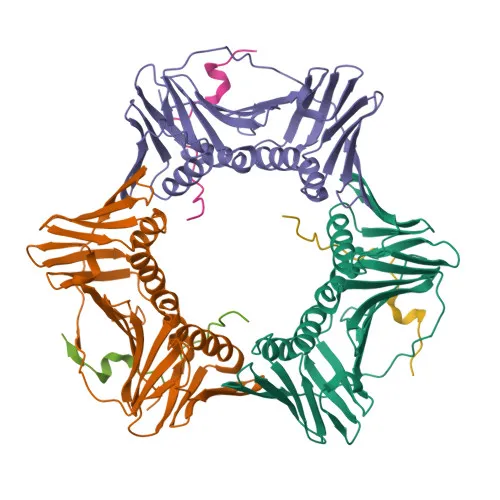
- KIAA0101, also known as PCNA-associated factor (PAF15), is a small acidic protein encoded by the PCLAF gene, with alternative splicing producing isoforms.
- It functions as a PCNA-binding protein that regulates DNA repair during DNA replication; upon DNA damage, its dissociation from PCNA promotes monoubiquitinated PCNA interaction with DNA polymerase eta (POLH) for translesion synthesis.
- Additionally, KIAA0101 acts as a regulator of centrosome number, ensuring proper cell division.
- Subcellularly, KIAA0101 localizes to the nucleus and cytoplasm, with enrichment in the perinuclear region.
- It is predominantly expressed in liver, pancreas, and placenta, while undetectable in heart and brain; notably, it is highly expressed in various tumors including esophageal, anaplastic thyroid, adrenocortical, and non-small-cell lung cancers.
- The protein undergoes several post-translational modifications: acetylation, phosphorylation, and ubiquitination (isopeptide bond), and has been identified in proteomics studies.
Experimental Guidance and Technical Tips
- Since the immunogen corresponds to amino acids 39-111, this region is considered for detection of the target; consider this when selecting recombinant proteins or peptide blocking experiments.
- For Western blot (WB) application, the predicted molecular weight of human KIAA0101 is approximately 12 kDa; ensure appropriate gel percentage and membrane transfer conditions for small proteins.
- When performing ELISA, consider using a recombinant protein standard for quantification and verify coating and detection conditions in the relevant sample matrix.
- Cross-reactivity is reported for human; if testing other species, validate sequence homology of the immunogen region beforehand.
- Given the involvement in DNA damage response, consider treatment with DNA-damaging agents to potentially observe altered expression or localization in relevant cell models.
CamelBio: Your One-Stop Sourcing Bridge
CamelBio supports diagnostic manufacturers and research laboratories with one-stop access to IVD raw materials. For DNA repair and cell cycle research areas, we offer validated antibody pairs, optimized polyclonal antibodies like anti-KIAA0101, and bulk ancillary reagents. Our procurement capabilities also extend to rare target raw-material sourcing, helping you move from concept to clinic efficiently.
REQUEST A QUOTE
Our professional team will reply to you within one business day. Please feel free to contact us!