Polyclonal Antibodies
Rabbit anti-ING3 Polyclonal Antibody for WB and ELISA - Q9NXR8
Item Number : CM0024792
Price varies based on specs and customizations
- Application
- WB, ELISA
- Cross Reactivity
- Human, Mouse, Rat
- Protein Weight
- 47kDa

Shipping:
Contact us to get shipping details Enjoy On-time Dispatch Guarantee.
Why Choose Us
Easy ordering process, quality products, and dedicated support for your business success.
Core Product Specifications and Parameters
| Parameter | Value |
|---|---|
| Product Name | ING3 Rabbit pAb |
| Remarks/Alias | Eaf4; ING2; MEAF4; p47ING3; ING3 |
| Species | Human |
| GeneID | 54556 |
| Immunogen | Recombinant fusion protein containing a sequence corresponding to amino acids 1-92 of human ING3 (NP_938008.1) |
| Source | Rabbit |
| Category | Polyclonal Antibodies |
| Application | WB, ELISA |
| Cross Reactivity | Human, Mouse, Rat |
| SWISS | Q9NXR8 |
| Protein Weight | 47kDa |
| Shipping | Ice bag |
Biological Background: ING3 Function and Localization
- ING3 (Inhibitor of growth protein 3, also known as p47ING3) is a core subunit of the NuA4 histone acetyltransferase (HAT) complex, which catalyzes acetylation of nucleosomal histones H4 and H2A to promote transcriptional activation.
- The NuA4 complex, through ING3, plays critical roles in diverse nuclear processes including oncogene- and proto-oncogene-mediated growth induction, tumor suppressor-driven growth arrest, replicative senescence, apoptosis, and DNA repair.
- ING3 is also a component of a SWR1-like chromatin remodeling complex that specifically mediates the eviction of histone variant H2A.Z from nucleosomes, modulating chromatin structure.
- ING3 localizes to the nucleus, consistent with its functions in chromatin modification and transcriptional regulation.
- ING3 is broadly expressed across multiple tissues, including brain, heart, kidney, liver, lung, ovaries, placenta, prostate, skeletal muscle, small intestine, spleen, testis, and thymus.
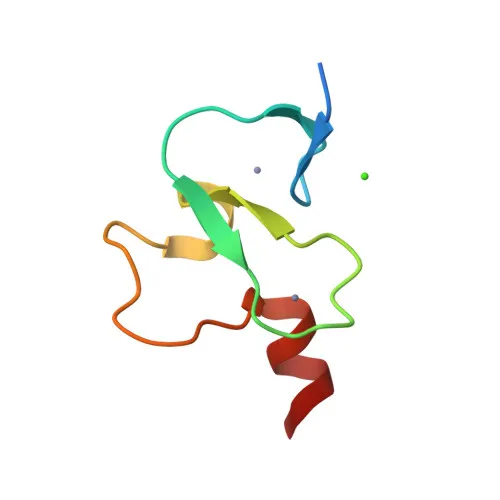
- The protein features a zinc-finger domain, undergoes post-translational acetylation, and exists in multiple isoforms due to alternative splicing.
Experimental Guidance and Technical Tips
- This antibody was generated against recombinant protein corresponding to the N-terminal region (amino acids 1–92) of human ING3. For applications, consider that the antibody may recognize target epitopes present in this region.
- For Western blot (WB), use nuclear extracts or whole cell lysates prepared from human, mouse, or rat samples. The predicted molecular weight of ING3 is approximately 47 kDa. Include appropriate positive and negative controls.
- For ELISA, validate the antibody in your specific assay format (direct, indirect, sandwich). Pair with a matched detection antibody if used in a sandwich ELISA, and optimize coating and detection conditions.
- This antibody has not been validated for immunoprecipitation, immunohistochemistry, or immunofluorescence. If pursuing these applications, empirical validation and optimization are essential.
CamelBio: Your One-Stop Sourcing Bridge
CamelBio supports diagnostic manufacturers and research laboratories by providing reliable access to critical IVD raw materials like this anti-ING3 polyclonal antibody. Whether you need validated antibody pairs, monoclonal alternatives, bulk reagent supplies, or custom sourcing for rare targets in chromatin biology and transcriptional research, our team helps streamline your procurement from lead candidate selection to commercial scale-up. We invite you to explore our full portfolio to accelerate your assay development and clinical translation.
REQUEST A QUOTE
Our professional team will reply to you within one business day. Please feel free to contact us!